
Transportation
Freight forwarding - air, ocean & rail domestic / international
courier / small package
dedicated contract carriage
private fleet
ltl / tl
Freight Forwarding - Air, Ocean & Rail Domestic / International
Freight forwarding is a key component of global logistics and supply chain management. It involves the coordination and shipment of goods from one destination to another through various modes of transport (air, ocean, rail, and road). Freight forwarders act as intermediaries between the shipper and transportation services, ensuring that goods are delivered efficiently, timely, and in compliance with international regulations.
Freight forwarders typically provide a wide range of services, including the booking of cargo space, customs documentation, cargo insurance, warehousing, and tracking.
Here is a summary of freight forwarding by transportation mode:
Air Freight Forwarding
Air freight forwarding involves shipping goods via air transport. It is commonly used for high-value, time-sensitive, or perishable goods that need to reach their destination quickly.
Key Features of Air Freight:
Speed: Air freight is the fastest mode of transport, making it ideal for urgent shipments. It is commonly used for small, high-value items (such as electronics, pharmaceuticals, and fashion).
Cost: Air freight is more expensive compared to other modes of transport. The cost is based on weight, volume, and distance.
Security: Air freight is considered secure due to stringent international security regulations.
Global Reach: Air freight connects nearly every country globally, with direct and indirect flight routes available to most major airports.
Air Freight Forwarding Services Include:
Booking Air Cargo: Coordinating and securing space with airlines or cargo carriers.
Customs Clearance: Preparing and submitting required import/export documentation and ensuring compliance with international customs regulations.
Cargo Insurance: Providing insurance coverage for goods in transit to protect against damage or loss.
Tracking: Offering real-time tracking services to monitor the progress of shipments.
Consolidation: Grouping smaller shipments into larger loads to reduce transportation costs.
Ocean Freight Forwarding
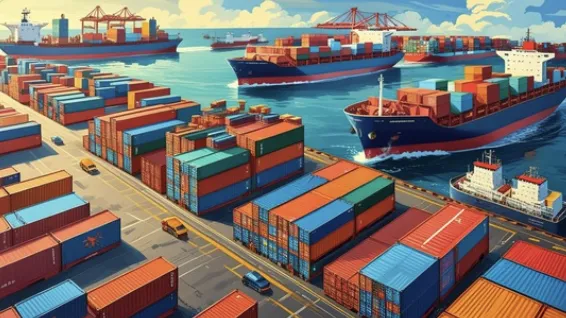
Ocean freight involves shipping goods via cargo ships across seas and oceans. It is commonly used for large shipments, especially those with bulk commodities, raw materials, and manufactured goods.
Key Features of Ocean Freight:
Cost-Effective: Ocean freight is often more affordable than air freight, particularly for large shipments or those that are not time-sensitive.
Capacity: Large container ships can carry massive quantities of goods, making ocean freight the preferred choice for bulk cargo.
Slower Transit Times: Compared to air freight, ocean freight has slower transit times, ranging from several days to several weeks depending on the distance.
Global Coverage: Ocean freight has an extensive network of ports worldwide, allowing access to nearly every major international destination.
Ocean Freight Forwarding Services Include:
Booking Cargo Space: Arranging the reservation of space for cargo aboard ships, either via FCL (Full Container Load) or LCL (Less-than-Container Load).
Port Handling: Managing the loading and unloading of cargo at ports.
Customs Documentation: Ensuring the proper documentation is in place for international import/export, including bills of lading and certificates of origin.
Cargo Insurance: Offering coverage for potential losses or damages to goods during transit.
Containerization: Securing goods in standardized shipping containers to ensure protection and ease of handling.
Tracking: Providing shipment tracking to monitor progress during ocean transit.
Rail Freight Forwarding
Rail freight involves the transportation of goods via trains, typically over long distances within countries or across regions. Rail is a popular choice for inland shipments, especially in countries with well-developed rail infrastructure like the U.S., China, and Europe.
Key Features of Rail Freight:
Cost-Effective: Rail is a lower-cost option compared to air freight and often cheaper than road transport for long-distance land travel.
Capacity: Rail freight can accommodate large volumes of cargo, particularly bulk goods, commodities, and heavy equipment.
Sustainability: Rail transport is more environmentally friendly than road transport because it typically produces fewer emissions.
Slower Than Air and Ocean: Rail is slower than air freight but faster than ocean freight for domestic and regional shipments.
Rail Freight Forwarding Services Include:
Booking Cargo Space: Arranging space on railcars, including for bulk goods, containerized cargo, or specialized transport.
Customs and Border Clearance: Handling cross-border regulations and ensuring proper documentation for international rail freight.
Tracking: Offering systems for tracking rail shipments and estimating delivery times.
Transloading: Moving goods between different transportation modes (e.g., rail to truck) when necessary.
Cargo Protection: Ensuring the safety of goods during transport, with appropriate security measures for valuable or fragile items.
International Freight Forwarding vs. Domestic Freight Forwarding
International Freight Forwarding:
Complex Regulations: International shipments must comply with a wide range of customs and import/export regulations.
Documentation: Detailed documentation, such as bills of lading, customs declarations, import/export permits, and certificates of origin, is required.
Longer Transit Times: Shipments across countries or continents generally take longer than domestic shipments due to distance and border controls.
Customs Duties and Taxes: International freight requires payment of customs duties, taxes, and tariffs, which vary depending on the countries involved.
Domestic Freight Forwarding:
Simpler Regulations: Domestic freight forwarding is subject to less regulation and fewer customs requirements.
Faster Transit: Typically involves shorter transit times due to less distance and fewer border controls.
Lower Costs: Domestic shipping is generally less expensive due to the shorter distance and simpler logistical requirements.
Fewer Documentation Requirements: Only basic paperwork such as bills of lading or delivery receipts is typically required.
Benefits of Freight Forwarding Services
Cost Efficiency: Freight forwarders leverage their network and relationships with
transportation carriers to secure competitive pricing on air, ocean, and rail services.
Expertise and Experience: Freight forwarders have specialized knowledge of logistics regulations, best practices, and how to navigate the complexities of international shipping.
Time Savings: Forwarders manage the intricate details of logistics, saving businesses time and ensuring that shipments arrive on schedule.
Risk Management: Freight forwarders provide cargo insurance to minimize financial loss in case of accidents, theft, or damage during transit.
Customs Compliance: They help businesses navigate the complexities of customs procedures and ensure compliance with all legal requirements, avoiding delays and fines.
Global Reach: With access to various transportation modes (air, sea, rail), freight forwarders offer global shipping solutions, connecting businesses to markets worldwide.
Freight forwarding is essential to global trade, offering businesses an efficient and cost-effective way to ship goods internationally or domestically. Whether you are using air, ocean, or rail transport, a freight forwarder can streamline the process, providing expert guidance, optimizing shipping routes, managing documentation, and ensuring compliance with regulations.
Courier / Small Package
Courier and small package services are a vital component of modern logistics and transportation, particularly for businesses and consumers who need fast, reliable, and often time-sensitive deliveries. These services are designed to handle smaller shipments that may not require large cargo or freight services but still require safe and efficient transportation.
Key Features of Courier/Small Package Services
Speed:
Courier services are known for their speed, especially when compared to other modes of transportation like freight or traditional mail services. For urgent shipments, courier companies often provide overnight or same-day delivery options, making them ideal for time-sensitive deliveries.
Reliability:
These services offer reliable tracking systems, ensuring both the sender and recipient can monitor the package's progress in real time. This level of transparency ensures peace of mind and helps prevent loss or delays.
Flexibility:
Courier companies typically offer various options depending on the size, weight, and urgency of the package. Services range from standard delivery to express and priority options, catering to different needs.
Global Reach:
Many major courier companies operate internationally, providing the ability to ship packages across countries and continents, making them essential for global e-commerce and cross-border business transactions.
Security:
Couriers often provide enhanced security measures, including package tracking, signature requirements, and insurance options to protect the goods being shipped, especially for high-value or sensitive items.
Types of Courier/Small Package Services
Domestic Courier Services
Standard Delivery: Often the most cost-effective option for non-urgent shipments. Delivery times typically range from 1-7 business days, depending on the distance and service provider.
Same-Day Delivery: For packages that need to arrive on the same day, whether local or within a specific region. This is particularly useful for urgent business transactions or deliveries.
Next-Day/Overnight Delivery: Ensures that packages arrive by the next business day, ideal for urgent shipments or critical items that need to be delivered quickly.
Scheduled Delivery: Some services allow you to specify a time window for delivery, giving recipients the flexibility to receive packages at their most convenient times.
International Courier Services
International Express: For fast international deliveries, express services guarantee that packages will arrive in 1-3 business days, depending on the origin and destination.
Economy International: More affordable than express services, but with a longer transit time. Typically used for less urgent international deliveries that may take 5-10 days.
Customs Handling: International courier services often include customs clearance assistance, ensuring that packages comply with import/export regulations, taxes, and duties to avoid delays.
International Tracking: Just like domestic services, international couriers provide real-time tracking for global shipments to allow monitoring across borders.
Advantages of Courier/Small Package Services
Convenience:
These services are incredibly convenient, as couriers offer door-to-door delivery, so the sender doesn't need to worry about navigating complex logistics or transport routes. It’s as simple as scheduling a pickup or dropping off the package at a local courier hub.
Global Reach:
Major courier companies like FedEx, UPS, DHL, and USPS operate globally, connecting almost every country and region. This makes it easy to manage both domestic and international shipments from one provider.
Customer Support:
Many courier companies provide dedicated customer service lines and support for tracking, issues with shipments, and any unforeseen delays. This ensures customers can quickly resolve any problems or concerns.
Variety of Package Options:
Courier services can handle a variety of package sizes, from small envelopes and documents to larger parcels. Specialized services exist for fragile, perishable, or high-value items that need additional care during shipping.
Insurance and Compensation:
Many courier services offer insurance options to protect against loss, theft, or damage during transit. This adds an extra layer of security for valuable goods.
Popular Courier Companies and Their Services
FedEx FedEx Express: Provides overnight and same-day delivery for domestic and international shipments.
FedEx Ground: Cost-effective, reliable service for heavier packages and standard delivery times.
FedEx International: Fast international delivery options with customs handling and tracking.
UPS (United Parcel Service)
UPS Next Day Air: Guarantees next-day delivery for urgent packages.
UPS Ground: Cost-effective option for non-urgent, heavier packages within domestic regions.
UPS Worldwide Express: Fast, reliable international shipping service.
DHL
DHL Express: Offers fast, international deliveries with customs expertise.
DHL eCommerce: Provides standard and economy services for international shipments, including global tracking.
USPS (United States Postal Service)
Priority Mail: Affordable shipping within the U.S., with quick delivery times (1-3 business days).
Priority Mail Express: Fast, guaranteed overnight delivery.
International Services: USPS offers various international shipping options with a focus on cost-effectiveness.
Best Practices for Sending Small Packages
Proper Packaging: Ensure that the package is properly sealed and cushioned to prevent damage during transport. Small packages should be wrapped securely, and fragile items should be packed with adequate padding.
Labeling: Clearly mark the sender’s and recipient’s address on the package. Include a phone number for both parties to assist with delivery issues if they arise.
Tracking: Always request a tracking number to monitor the progress of the package in real time, especially for high-priority or international shipments.
Insurance: For valuable or fragile items, consider purchasing shipping insurance to cover the cost of any damage or loss.
Customs Declaration: For international packages, be sure to complete any necessary customs forms, including a description of the items and their value, to avoid delays at the border.
Challenges of Courier/Small Package Services
Cost:
While these services are fast and reliable, they can be expensive, especially for express or international shipping. Businesses and individuals need to balance the urgency of their shipment with their budget.
Limited Size/Weight:
Courier services typically have weight and size restrictions, so oversized or very heavy items may not be eligible for standard courier services.
Delivery Delays:
While couriers are generally reliable, occasional delays can occur, especially during peak seasons (like holidays) or due to unforeseen issues such as weather, customs clearance, or transportation disruptions.
Customs and Duties:
For international shipments, packages may be delayed or held at customs if proper documentation isn’t provided or if import duties and taxes are not paid.
Courier and small package services are essential for modern businesses and consumers who require efficient, reliable, and fast delivery of goods. Whether sending a single document, an e-commerce order, or international merchandise, these services provide the flexibility, convenience, and security necessary to meet diverse shipping needs.
Dedicated Contract Carriage
Dedicated Contract Carriage (DCC) is a contract between a carrier and a shipper in which the carrier provides its transportation expertise, equipment and labor management resources for distribution of the shipper's goods; the shipper agrees to tender its goods to the carrier in an agreed rate structure that will vary according to the operations involved.
Although a shipper's rationale for considering a dedicated carrier is usually economic, other reasons may exist. Intractable service problems, difficult labor relations, deficient knowledge of good trucking practices are a few examples. Dedicated contract carriage can solve such problems for a shipper.
How Can you tell if Dedicated Contract Carriage is the right option for your operation?
Unfortunately there are no easy guidelines. The only way to determine what's best is a thorough comparative analysis of costs, service, labor and other components with private fleet options.
Key Features of Dedicated Contract Carriage
Dedicated Fleet:
The fleet is dedicated exclusively to the shipper’s transportation needs, but it is owned and operated by the carrier.
Customized Service:
Like a private fleet, a dedicated carrier allows the company to customize the service according to its specific requirements. The dedicated carrier works closely with the shipper to develop optimized routes, schedules, and service levels that match the shipper’s operational needs.
Long-Term Agreement:
Dedicated contract carriage typically involves a long-term contract, where the shipper agrees to use the services of the dedicated carrier for a set period, often years. This arrangement ensures both parties are committed to the partnership and service levels.
Flexibility and Scalability:
This solution can be scaled to meet changing business needs. During high-demand periods or seasonal peaks, the dedicated carrier can adjust the number of vehicles and drivers as required.
Benefits of Dedicated Contract Carriage
Cost Efficiency:
With dedicate carriage, companies can avoid the significant upfront costs associated with purchasing and maintaining a fleet.
Operational Control:
Although the fleet is operated by a the dedicated carrier, the shipper retains control over the performance, schedules, and service standards. The carrier works under the company’s terms and specifications, ensuring that all logistical requirements are met.
Reduced Administrative Burden:
Dedicated carriers take away the need for the company to manage fleet operations, including vehicle maintenance, driver recruitment, training, and compliance. The carrier handles these aspects, which can be a significant administrative and operational relief for the shipper.
Expertise and Efficiency:
Dedicated contract carriers bring a wealth of experience, logistics expertise, and technological solutions to the table. This can result in optimized routes, improved fuel efficiency, and better overall operational efficiency.
Service Customization:
DCC provides tailored solutions, such as temperature-controlled delivery, timed deliveries, or high-security transport, based on the unique needs of the business.
Focus on Core Business:
By outsourcing transportation to a dedicated 3PL provider, companies can focus on their core competencies, such as manufacturing, sales, and product development, rather than managing logistics operations.
Key Components of a Dedicated Contract Carriage Agreement
Fleet Management:
The logistics provider owns and manages the fleet, including vehicles and drivers. The company and 3PL provider will agree on the number and types of vehicles needed, as well as the number of drivers.
Operational Parameters:
The agreement outlines the specific routes, delivery schedules, performance standards, and other operational details such as safety protocols, communication, and customer service levels.
Cost Structure:
The company and 3PL provider agree on a fixed or variable pricing model based on the services provided. The cost may be based on factors like the number of vehicles, delivery frequency, and the distance traveled.
Maintenance and Compliance:
The provider is responsible for maintaining the vehicles and ensuring they are in compliance with regulations such as safety standards, vehicle inspections, and driver hours of service. This also includes keeping the vehicles in optimal condition to avoid breakdowns.
Driver Management:
The logistics provider handles driver recruitment, training, and performance. This includes ensuring drivers comply with all relevant safety regulations and deliver the company’s goods according to the required standards.
Technology Integration:
The logistics provider often integrates technology solutions such as fleet tracking systems, route optimization software, and real-time communication tools to enhance efficiency and provide the company with visibility into the transportation process.
Types of Companies That Benefit from Dedicated Contract Carriage
Retailers:
Large retail chains often need dedicated transportation services to maintain an efficient supply chain. DCC allows them to get reliable deliveries while focusing on sales and customer service rather than fleet management.
Food and Beverage Companies:
Businesses in this industry, particularly those handling perishable goods, often require specialized transportation services like temperature-controlled vehicles and timely deliveries. DCC can offer these features.
Manufacturers:
Manufacturers who need to move raw materials or finished goods between production facilities and distribution centers benefit from a dedicated fleet that guarantees reliability and efficiency.
Consumer Goods Companies:
Companies with high-volume transportation needs, such as those distributing consumer goods, can benefit from DCC by ensuring that their products are delivered on time without worrying about fleet operations.
Advantages Over Traditional Outsourcing Models
Control Over Operations:
With DCC, companies have more control over the quality of service compared to traditional outsourced logistics, where they are more dependent on the carrier’s existing resources and operations.
Commitment to Service:
The logistics provider dedicates specific resources, such as drivers, trucks, and equipment, to the company, meaning they are committed to meeting agreed-upon service levels. In contrast, traditional outsourcing might involve using shared resources with other customers, which can lead to less reliable service.
Long-Term Relationship:
DCC often involves a longer-term commitment, ensuring a deeper partnership between the company and the logistics provider. This fosters collaboration and alignment on key goals such as efficiency improvements, cost savings, and service quality.
Challenges of Dedicated Contract Carriage
Less Flexibility for Short-Term Needs:
DCC is a long-term solution that may not provide the same flexibility for short-term or seasonal needs as ad-hoc or spot market transportation.
Cost of the Service:
While DCC can lead to predictable costs, it may come with a higher cost compared to spot market shipping or less specialized transportation services, particularly for companies with low-volume transportation needs.
Potential for Overcapacity:
If the company’s transportation volume decreases, it may result in underutilization of the dedicated fleet, leading to inefficiencies and potentially wasted resources.
Dependence on the 3PL Provider:
While DCC offers many benefits, companies become heavily reliant on the 3PL provider for transportation, meaning that any issues with the provider (such as poor service or delays) can directly affect the company’s operations.
Dedicated Contract Carriage (DCC) is an excellent logistics solution for companies seeking the benefits of a dedicated fleet without the burden of managing it themselves. By partnering with a third-party logistics provider, companies can achieve cost savings, operational efficiency, and increased reliability in their transportation services. However, it is important to consider the long-term commitment and potential challenges before opting for DCC.
If you're considering DCC, you should evaluate the nature of your business, transportation needs, and cost structure to determine if this solution aligns with your objectives.
Private Fleet
A Private Fleet refers to a fleet of vehicles owned and operated by a company specifically for transporting its goods or products. Unlike third-party transportation services (such as common carriers or third-party logistics providers), private fleets are managed internally by the company. This allows the business to have full control over its transportation operations, from routing and scheduling to vehicle maintenance and driver management.
Private fleets are typically used by businesses with high transportation needs or those in industries that require specialized logistics services, such as perishable goods, large or heavy items, or high-value products.
Key Characteristics of Private Fleets
Ownership of Vehicles:
A private fleet is owned by the company, meaning it has full control over the number, type, and maintenance of the vehicles. The company is responsible for the procurement, upkeep, and operation of the fleet.
Dedicated Service:
Vehicles in a private fleet are typically dedicated exclusively to transporting that company's goods, rather than serving multiple clients. This ensures that the fleet is tailored to the company's specific needs.
Control and Flexibility:
Companies with private fleets have more control over service levels, routes, scheduling, and fleet maintenance. This can lead to greater reliability and efficiency compared to relying on external carriers.
Management of Operations:
The company handles the recruitment, training, and management of drivers, as well as the scheduling, maintenance, and route planning for the fleet. This can require significant management resources and infrastructure.
Advantages of Private Fleets
Complete Control Over Operations:
Private fleets offer businesses full control over their transportation logistics. Companies can prioritize their own products, routes, schedules, and customer service without depending on third-party logistics providers.
Flexibility and Customization:
Since the fleet is dedicated solely to the company's goods, it can be customized to meet the business’s specific needs. For example, a company can implement specialized vehicles for temperature-controlled delivery, oversized loads, or fragile items.
Cost Predictability:
With a private fleet, the company incurs
predictable costs, which typically include vehicle purchase, maintenance, fuel, insurance, and driver salaries. These costs are generally fixed over time, making budgeting and financial planning easier.
Branding Opportunities:
Companies with private fleets can brand their vehicles with their company’s logo and messaging, increasing brand visibility on the road and reinforcing their identity in the market.
Reliability:
Since the company owns the fleet, it has more control over the performance and maintenance of the vehicles. It can ensure that trucks are well-maintained, clean, and operating at optimal performance, which reduces the risk of breakdowns or delays.
Efficiency in Operations:
Private fleets can be optimized for specific routes, delivery schedules, and service levels. By leveraging fleet management software, companies can increase fuel efficiency, reduce idle time, and improve route planning.
Challenges of Private Fleets
High Capital Investment:
One of the most significant downsides of owning a private fleet is the upfront capital investment. Purchasing trucks, trailers, and other vehicles can be expensive, and the company is responsible for financing these assets.
Ongoing Maintenance and Repair Costs:
The company must bear the costs of vehicle maintenance, repairs, and replacement. Maintaining a fleet can be costly, and poor maintenance can lead to breakdowns, delays, and loss of customer trust.
Driver Management:
Private fleets require companies to recruit, train, and manage drivers. This can involve high operational costs in terms of wages, benefits, training programs, and compliance with labor regulations.
Regulatory Compliance:
Companies with private fleets must adhere to numerous regulations regarding vehicle maintenance, driver hours of service, safety standards, and environmental requirements. These regulations can vary by region and may require additional investments in compliance systems and record-keeping.
Lack of Flexibility:
Private fleets are typically dedicated to one company’s operations. If demand for transportation services fluctuates or if the company no longer requires the fleet, there may be underutilized assets and inefficiencies. This lack of flexibility makes it more difficult to adapt to changing business conditions.
Focus Away from Core Business:
Managing a fleet is time-consuming and requires significant resources. For companies whose core business is not logistics or transportation, this can divert attention and resources away from their main products or services.
Types of Companies That Benefit from Private Fleets
Retailers:
Large retail chains, such as grocery stores, may benefit from a private fleet to deliver products from distribution centers to stores. They can optimize the transportation process for regular shipments, reducing the reliance on external carriers.
Manufacturers:
Manufacturers of heavy or bulky goods may find a private fleet to be more efficient for moving products between production facilities and warehouses or distribution centers. A dedicated fleet can be optimized for large shipments or specialized delivery.
Food and Beverage Companies:
Companies in the food and beverage industry often need private fleets for temperature-sensitive transportation, ensuring the goods arrive at their destinations under the right conditions.
Consumer Goods Companies:
Consumer goods companies with high-volume transportation needs benefit from having dedicated fleets to ensure efficient and timely deliveries. They can also implement specialized vehicles for fragile items or time-sensitive deliveries.
E-commerce:
E-commerce companies that need to ensure fast and reliable delivery to customers can benefit from private fleets. Having a fleet of delivery vehicles allows them to have more control over delivery times, customer experience, and order fulfillment.
Private Fleet vs. Dedicated Contract Carriage (DCC)
While both private fleets and Dedicated Contract Carriage (DCC) involve dedicated vehicles, there are some key differences:
Ownership:
With a private fleet, the company owns and manages the fleet, whereas, in DCC, the fleet is owned and operated by a third-party logistics provider.
Operational Responsibility:
Companies with private fleets are responsible for all aspects of fleet management (recruitment, maintenance, compliance), whereas in DCC, the 3PL manages these tasks on behalf of the company.
Cost:
Private fleets involve significant upfront costs for purchasing vehicles and managing operations, whereas DCC typically requires payment for the service provided by the third-party provider (with potentially less capital investment).
Private fleets can be a valuable asset for businesses with high-volume, regular transportation needs. They provide complete control, flexibility, and the ability to tailor the fleet to a company’s specific needs. However, they come with significant responsibilities in terms of cost, maintenance, and management.
Before investing in a private fleet, businesses should carefully evaluate the associated costs, benefits, and their own capacity to manage the fleet. For companies that need dedicated transportation but lack the resources to manage the fleet, Dedicated Contract Carriage (DCC) may offer an alternative solution with fewer responsibilities while still providing dedicated resources.
LTL (Less-than-Truckload) and TL (Truckload) Shipping
In logistics and transportation, LTL and TL are two different methods used to categorize and manage freight shipping. They primarily differ in the size of the shipment and the way goods are consolidated during transportation.
LTL (Less-than-Truckload) Shipping
LTL refers to shipments that do not require a full truckload. These shipments typically weigh between 150 and 15,000 pounds and are too small to fill an entire trailer. Instead of the shipper paying for the entire truck, LTL shipments are consolidated with shipments from other companies. This method is more cost-effective for smaller freight loads.
Key Characteristics of LTL Shipping:
Consolidation of Shipments:
LTL carriers combine multiple smaller shipments into one truckload. Each shipper pays only for the portion of the truck that their goods occupy.
Cost Efficiency:
Since the cost of the truck is shared between multiple shippers, LTL shipping is usually more affordable for smaller shipments. This makes it a good option for businesses that don't have enough goods to fill a full truckload but still need to transport goods economically.
Frequent Stops:
LTL shipments typically involve multiple stops along the way to pick up or drop off freight from other shippers. This can lead to longer transit times compared to TL shipping.
Variety of Shipment Sizes:
LTL is suited for a wide range of shipment sizes, especially those between 150 and 15,000 pounds. However, the rate is based on factors such as weight, dimensions, and the nature of the cargo.
Handling and Risk:
Since LTL shipments often involve multiple shipments, there is a higher likelihood of handling and transfers at hubs. This increases the potential for damage or loss. Special packaging or careful handling may be required to minimize these risks.
Tracking and Transparency:
Most LTL carriers offer tracking capabilities, providing visibility into the shipment’s progress along its journey.
When to Use LTL Shipping:
Small to medium-sized shipments
Shipments that need to be delivered to various destinations but don’t require a full truckload
Businesses seeking cost-effective transportation for less-than-full loads
When delivery time is flexible and cost savings are prioritized
TL (Truckload) Shipping
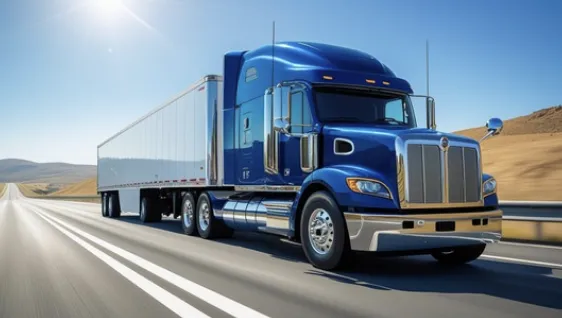
Truckload (TL) shipping refers to the transportation of goods that fill an entire trailer or container. This means the entire capacity of the truck is used by a single shipper, and the goods are transported directly from the origin to the destination with no intermediate stops for other customers’ shipments.
Key Characteristics of TL Shipping:
Full Use of Truck Capacity:
A truckload shipment typically involves a large volume of goods that fill the entire truck or at least a significant portion of it. As a result, the shipper is responsible for paying for the entire truck, regardless of whether it’s fully utilized.
Direct Route:
TL shipments usually follow a direct route, without the detours or intermediate stops common in LTL shipping. This allows for faster transit times.
Lower Risk of Damage:
Since there are no other shippers’ goods on the truck, the risk of damage due to handling or multiple transfers is reduced. It’s particularly advantageous for fragile or high-value goods.
Cost Efficiency for Large Shipments:
For larger shipments that can fill an entire truck, TL shipping can be more cost-efficient than LTL, especially for distances that don’t require multiple stops. It is also a good choice when speed is a priority.
Fewer Handling and Transfers:
Because TL shipments typically involve only one shipper, the freight is not transferred between different vehicles or facilities. This reduces handling costs and minimizes the risk of loss or damage.
Faster Delivery:
TL shipments are usually faster than LTL because they have fewer stops and the truck follows a more direct route to the destination.
When to Use TL Shipping:
Large shipments that fill an entire truck
Shipments that require faster delivery times
Cargo that needs to be delivered directly without stops at intermediate points
Shipments that require less handling and are at a lower risk of damage
When to Choose LTL or TL?
LTL: Choose LTL when shipping smaller quantities of goods that don’t fill an entire truck. This is perfect for smaller businesses or those with regular but smaller shipments. It’s cost-effective when there are several small shipments, but the trade-off is slower transit time and a higher potential for handling-related damage.
TL: Opt for TL when the shipment is large enough to fill an entire truck. This is ideal for businesses with larger freight needs, especially when speed and reduced handling are important. If you’re shipping heavy or large items, TL can be more efficient and cost-effective.
LTL / TL
In logistics and transportation, LTL and TL are two different methods used to categorize and manage freight shipping. They primarily differ in the size of the shipment and the way goods are consolidated during transportation.
LTL (Less-than-Truckload) Shipping
LTL refers to shipments that do not require a full truckload. These shipments typically weigh between 150 and 15,000 pounds and are too small to fill an entire trailer. Instead of the shipper paying for the entire truck, LTL shipments are consolidated with shipments from other companies. This method is more cost-effective for smaller freight loads.
Key Characteristics of LTL Shipping:
Consolidation of Shipments:
LTL carriers combine multiple smaller shipments into one truckload. Each shipper pays only for the portion of the truck that their goods occupy.
Cost Efficiency:
Since the cost of the truck is shared between multiple shippers, LTL shipping is usually more affordable for smaller shipments. This makes it a good option for businesses that don't have enough goods to fill a full truckload but still need to transport goods economically.
Frequent Stops:
LTL shipments typically involve multiple stops along the way to pick up or drop off freight from other shippers. This can lead to longer transit times compared to TL shipping.
Variety of Shipment Sizes:
LTL is suited for a wide range of shipment sizes, especially those between 150 and 15,000 pounds. However, the rate is based on factors such as weight, dimensions, and the nature of the cargo.
Handling and Risk:
Since LTL shipments often involve multiple shipments, there is a higher likelihood of handling and transfers at hubs. This increases the potential for damage or loss. Special packaging or careful handling may be required to minimize these risks.
Tracking and Transparency:
Most LTL carriers offer tracking capabilities, providing visibility into the shipment’s progress along its journey.
When to Use LTL Shipping:
Small to medium-sized shipments
Shipments that need to be delivered to various destinations but don’t require a full truckload
Businesses seeking cost-effective transportation for less-than-full loads
When delivery time is flexible and cost savings are prioritized
TL (Truckload) Shipping
Truckload (TL) shipping refers to the transportation of goods that fill an entire trailer or container. This means the entire capacity of the truck is used by a single shipper, and the goods are transported directly from the origin to the destination with no intermediate stops for other customers’ shipments.
Key Characteristics of TL Shipping:
Full Use of Truck Capacity:
A truckload shipment typically involves a large volume of goods that fill the entire truck or at least a significant portion of it. As a result, the shipper is responsible for paying for the entire truck, regardless of whether it’s fully utilized.
Direct Route:
TL shipments usually follow a direct route, without the detours or intermediate stops common in LTL shipping. This allows for faster transit times.
Lower Risk of Damage:
Since there are no other shippers’ goods on the truck, the risk of damage due to handling or multiple transfers is reduced. It’s particularly advantageous for fragile or high-value goods.
Cost Efficiency for Large Shipments:
For larger shipments that can fill an entire truck, TL shipping can be more cost-efficient than LTL, especially for distances that don’t require multiple stops. It is also a good choice when speed is a priority.
Fewer Handling and Transfers:
Because TL shipments typically involve only one shipper, the freight is not transferred between different vehicles or facilities. This reduces handling costs and minimizes the risk of loss or damage.
Faster Delivery:
TL shipments are usually faster than LTL because they have fewer stops and the truck follows a more direct route to the destination.
When to Use TL Shipping:
Large shipments that fill an entire truck
Shipments that require faster delivery times
Cargo that needs to be delivered directly without stops at intermediate points
Shipments that require less handling and are at a lower risk of damage
When to Choose LTL or TL?
LTL: Choose LTL when shipping smaller quantities of goods that don’t fill an entire truck. This is perfect for smaller businesses or those with regular but smaller shipments. It’s cost-effective when there are several small shipments, but the trade-off is slower transit time and a higher potential for handling-related damage.
TL: Opt for TL when the shipment is large enough to fill an entire truck. This is ideal for businesses with larger freight needs, especially when speed and reduced handling are important. If you’re shipping heavy or large items, TL can be more efficient and cost-effective.
Contact Us to Learn More
Specialized Container Recruiting Services In:

Management
Corporate Officers Managers / Directors
Sales / Operations
Business Development
Labor Relations
Industrial Engineer
Quality Assurance
Safety / Compliance
Finance
Human Resources

Consulting
Evaluation/Optimization
Strategy
Implementation
Life-Cycle Management

Information Technology
Packaged Software RFID
WMS / TMS
Evaluation / Implementation
E-Commerce
Systems Integration
ERP / EMR
Product Design
Customer Support
CRM
Call Centers
International Trade
Customs
Import / Export
Logistics
Transportation Management
Fleet Management
Reverse Logistics
3PL / 4PL
Transportation
Freight Forwarding -Air, Ocean and Rail
Domestic / International Courier /Small Package
Dedicated Carriage
Private Fleet
LTL / TL

Warehouse / Distribution
Inventory Management
Site Selection
D.C. Optimization
Labor Optimization

Manufacturing
Production Planning
Material Logistics
Lean Methodology

Procurement
Strategic Sourcing
Global Purchasing
E-procurement
Contract Management
Inquiries?
No hesitation, we can help you with a free Consultation