
Customer Support
CRM (Customer relationship management)
demand / supply planning
CRM (Customer Relationship
Management)
CRM s a strategic approach that businesses use to manage interactions with customers, clients, and prospects. It's not just about tracking customer data; it’s about enhancing customer satisfaction, improving relationships, and optimizing communication. When integrated into logistics and supply chain management, CRM systems play a critical role in managing customer touchpoints and ensuring seamless interactions throughout the entire order process.
Here's a detailed look at CRM’s role in logistics and supply chain management:
Key Functions of CRM in Logistics and Supply Chain Management
A CRM system helps businesses streamline and centralize customer interactions, improving communication and service delivery. When integrated with logistics systems, CRM can support various logistics functions:
Customer Order Management
Real-time Order Tracking: CRM systems can integrate with Warehouse Management Systems (WMS) and Transportation Management Systems (TMS) to provide real-time order tracking. Customers can get updates on the status of their order, from placement to delivery.
Order History & Preferences: By tracking customer preferences and historical orders, CRM systems can provide personalized services, offer tailored recommendations, and handle repeat orders more efficiently.
Customer Support & Communication:
CRM enables businesses to track all customer interactions, ensuring that customer service teams have access to past order information, shipping statuses, and any previous issues, so they can resolve inquiries quickly.
Customer Support & Service
Automated Customer Service: Many CRM systems have built-in features like chatbots and help desk solutions, allowing customers to get immediate answers about product availability, shipment status, or issue resolution without waiting for human assistance.
Call Centers Integration: CRM systems integrate with call center operations to track all customer interactions, enabling support teams to handle customer queries efficiently by having detailed access to customer profiles, previous interactions, and issues.
Issue Resolution & Complaints Management: By tracking customer complaints and support tickets, CRM can ensure timely follow-up and resolution of issues related to delayed deliveries, damaged goods, or other service-related concerns.
Sales and Marketing Integration
Sales Forecasting & Demand Planning: CRM systems, when integrated with sales data and analytics, can help predict customer demand, providing the logistics team with the necessary data for stock planning and transportation scheduling.
Promotions & Discounts: Logistics teams can use CRM data to inform delivery options or promotions. For instance, the CRM can inform a business when a customer frequently orders large quantities, allowing for volume-based discounts or faster delivery offers.
Targeted Marketing Campaigns: CRM allows businesses to segment customers based on purchasing behavior, which can then influence logistics strategies, such as bulk shipping or special handling for high-value customers.
Customer Feedback & Experience
Surveys & Reviews: CRM systems can gather customer feedback on their experience with shipping, delivery times, and product quality. This feedback is valuable for optimizing logistics operations.
Delivery Performance: By integrating CRM with the logistics team, businesses can track key performance indicators (KPIs) like on-time delivery rates, delivery accuracy, and service quality.
Proactive Service: Based on feedback data, businesses can proactively resolve customer complaints, adjust shipping schedules, or offer compensation to maintain positive customer relationships.
How CRM Enhances Logistics & Supply Chain Operations
Integrating CRM into logistics operations can create significant improvements in several areas of supply chain management:
Order Fulfillment and Customer Experience
Improved Communication: CRM can provide real-time updates to customers about the status of their orders, including shipment tracking, expected delivery dates, and inventory availability.
Personalized Experience: By knowing customer preferences, CRM systems allow for customized delivery options, like same-day delivery or preferred delivery times, which enhances customer satisfaction.
Data-Driven Decisions
Customer Analytics: A CRM system aggregates and analyzes customer data, giving logistics teams insights into purchasing habits, preferred delivery methods, and geographic regions with the highest demand. This helps optimize warehouse layouts, stock levels, and transportation routes.
Trend Forecasting: By analyzing CRM data, logistics managers can forecast future demand, plan inventory levels accordingly, and schedule shipments in advance to prevent delays.
Multi-channel Integration
Omnichannel Engagement: Many customers interact with brands across multiple touchpoints (online store, phone, social media, etc.). CRM integrates these interactions, ensuring logistics teams have a complete view of the customer journey.
Order Routing Across Channels: CRM integration ensures that orders made through different sales channels (e.g., e-commerce websites or physical stores) are routed to the correct warehouse or distribution center for timely fulfillment and delivery.
Efficient Route Planning
CRM systems provide insights into the delivery history and preferences of specific customers, which can help logistics teams optimize delivery routes. For instance:
Frequent Customers: A customer who regularly orders from a specific location may have custom delivery needs or preferred delivery times, which can be planned for in advance.
Regional Delivery Optimization: CRM helps logistics teams understand which regions or areas need frequent deliveries, enabling better route planning and reducing transportation costs.
Streamlined Returns Process
Reverse Logistics: CRM systems can automate and manage the returns process by tracking return requests, customer communications, and the status of returned goods. This streamlines reverse logistics, making it more efficient for both the customer and the logistics team.
Customer Preferences: CRM keeps a record of return preferences (e.g., whether a customer prefers store credit or a refund), which can speed up returns and increase customer satisfaction.
Benefits of CRM in Logistics
Enhanced Customer Loyalty
Proactive Communication: By ensuring that customers are always informed about the status of their orders and deliveries, businesses can significantly boost customer satisfaction and loyalty.
Personalized Service: Customers appreciate brands that understand their preferences, offering faster service or specific delivery options based on past behavior. CRM helps create these personalized experiences.
Increased Efficiency in Operations
Data Integration: By integrating CRM with other logistics systems like WMS and TMS, logistics teams can streamline the flow of information, reducing errors, and delays.
Automation of Tasks: CRM systems often automate tasks like updating customers about order status, sending reminders for delivery, or triggering follow-up surveys, saving time for logistics teams and customer service agents.
Real-time Visibility and Tracking
CRM offers full visibility into customer orders, inventory status, and delivery times, allowing logistics teams to anticipate potential delays and proactively notify customers, leading to a better experience and reducing frustration.
Performance Monitoring
Customer Satisfaction Metrics: CRM tracks customer interactions and feedback, allowing logistics managers to monitor the quality of the service being provided and make necessary adjustments.
KPIs: Logistics teams can track KPIs like delivery times, customer complaints, and product availability through the CRM, helping to continuously improve service.
CRM Systems in Logistics
Investigate CRM solutions that can be particularly useful for logistics and supply chain businesses:
Key Considerations for CRM Implementation in Logistics
Integration with Other Systems: Ensure that your CRM is integrated with your WMS, TMS, and ERP systems for seamless data flow and real-time updates.
Data Security: Protect customer data by ensuring that your CRM follows robust security protocols, especially when handling sensitive information like payment details and personal addresses.
Customization: Choose a CRM solution that can be tailored to meet the specific needs of your logistics operation, whether it’s handling returns, tracking delivery status, or segmenting customers based on purchasing patterns.
Call Center Functions in Logistics
Call centers in logistics perform a range of functions that are critical to maintaining high-quality customer service and smooth operations across the supply chain.
Order Management
Order Placement & Tracking: Call center agents help customers place orders over the phone or assist in tracking the progress of their orders, especially if customers have issues with online ordering systems.
Data Entry: Call centers often collect necessary customer information, such as addresses, payment details, and special delivery instructions, and enter it into the system, making sure the logistics team has accurate data.
Issue Handling & Resolution
Delivery Issues: If customers experience delays, damaged goods, or incorrect shipments, call centers resolve these issues by communicating with warehouses, distribution centers, or transportation teams.
Escalation Management: When necessary, agents escalate unresolved issues to managers or other departments, ensuring that the problem is addressed at the appropriate level.
Customer Retention & Relationship Management
Personalized Service: Call center agents build relationships with customers by remembering past interactions, purchase preferences, and delivery preferences, providing more personalized service. This helps build long-term customer loyalty.
Proactive Customer Service: Call centers may proactively reach out to customers to inform them of potential delays or supply chain issues (such as stockouts), minimizing frustration and managing expectations.
Real-time Updates & Communication
Delivery Notifications: Call centers provide real-time updates regarding expected delivery windows, shipping status, and potential delays, keeping customers informed at all stages of the delivery process.
Shipment Tracking Assistance: When customers are uncertain about the status of their delivery, call center agents provide accurate, real-time tracking information, alleviating concerns and improving the customer experience.
Technologies Enhancing Call Center Efficiency in Logistics
To improve call center efficiency and enhance customer satisfaction, logistics companies use a variety of technologies to support their operations:
Automated Call Routing
Intelligent Call Routing: Call centers often use systems that automatically route customer calls to the most appropriate agent based on the customer’s inquiry. For example, a call about order tracking might be routed to an agent in logistics, while a complaint about a delivery issue could go to a customer service representative.
Interactive Voice Response (IVR)
Self-Service Options: Many logistics call centers use IVR systems to enable customers to track their orders, check delivery status, or request shipping quotes without speaking to an agent. IVR systems improve efficiency and reduce wait times.
Customer Relationship Management (CRM) Integration
Real-Time Data: By integrating call center operations with CRM systems, agents have access to customer order history, delivery status, and preferences. This helps agents provide more personalized service and resolve issues more quickly.
Omnichannel Support
Multichannel Communication: Call centers today are equipped to handle customer queries across various platforms—whether by phone, email, chat, social media, or text messaging. Logistics companies use omnichannel support to offer customers multiple ways to reach out for assistance.
Call Center Analytics
Performance Metrics: Call center managers use data analytics to track key performance indicators (KPIs) such as call response times, resolution rates, customer satisfaction scores, and the number of calls handled per agent. This helps optimize agent performance and improve customer service.
Customer Feedback & Surveys:
After each interaction, some call centers send out automated surveys to gather feedback on the customer experience, which can be used to improve processes and service quality.
Benefits of Call Centers in Logistics
Enhanced Customer Experience
Immediate Assistance: Call centers provide immediate assistance, allowing customers to get quick answers to their inquiries or issues. This reduces frustration and ensures a smoother delivery experience.
24/7 Availability: Many logistics companies operate globally and require round-the-clock support. A 24/7 call center ensures that customers can reach out at any time, regardless of time zone.
Improved Operational Efficiency
Centralized Communication: Call centers centralize all customer communication into one location, streamlining interactions and making it easier for logistics teams to track and resolve issues.
Reduced Handling Time: With the right technology, call center agents can quickly access necessary data, reducing the time spent on each call and allowing more customers to be served in less time.
Real-Time Problem Resolution
Quick Issue Escalation: Call centers offer a direct line of communication for addressing urgent logistics issues (like delayed shipments, misrouted orders, etc.). Quick resolution improves customer satisfaction and reduces the likelihood of customer churn.
Tracking and Monitoring: Call center agents can help customers track their orders in real-time, providing visibility into the status of shipments and resolving any discrepancies promptly.
Cost Savings
Efficient Resource Management: By using call center technologies like IVR and automated ticketing systems, logistics companies can handle more customer queries with fewer resources, reducing labor costs.
Outsourcing Opportunities: Many logistics companies choose to outsource their call center operations to third-party vendors, allowing them to scale operations and save on infrastructure costs while ensuring quality service.
Challenges in Call Centers for Logistics
High Call Volume
During peak seasons (like holidays or promotional periods), logistics companies may face high call volumes. Ensuring that call centers can handle surges in inquiries without compromising service quality is a major challenge.
Complexity of Logistics Issues
Call center agents must be well-trained to handle complex logistics-related inquiries, such as troubleshooting delivery issues or coordinating between warehouses and transport teams. Specialized training is essential to maintain service quality.
Real-Time Data Access
Call center agents need instant access to real-time data from logistics systems (WMS, TMS) to resolve customer issues quickly. Integrating these systems effectively is essential for smooth operations.
Maintaining Customer Satisfaction
Managing customer expectations during delays or disruptions in the supply chain is a delicate task. Call center agents must strike a balance between providing accurate information and keeping the customer satisfied with potential solutions.
Call centers are integral to the logistics and supply chain sector, acting as a bridge between the customer and the company’s operations. By improving customer support, ensuring efficient order management, and addressing issues promptly, call centers play a vital role in enhancing the overall customer experience. Leveraging technology and training staff effectively can help overcome challenges and ensure that logistics operations run smoothly, even during periods of high demand.
Contact Us to Learn More
Specialized Container Recruiting Services In:

Management
Corporate Officers Managers / Directors
Sales / Operations
Business Development
Labor Relations
Industrial Engineer
Quality Assurance
Safety / Compliance
Finance
Human Resources

Consulting
Evaluation/Optimization
Strategy
Implementation
Life-Cycle Management

Information Technology
Packaged Software RFID
WMS / TMS
Evaluation / Implementation
E-Commerce
Systems Integration
ERP / EMR
Product Design
Customer Support
CRM
Call Centers
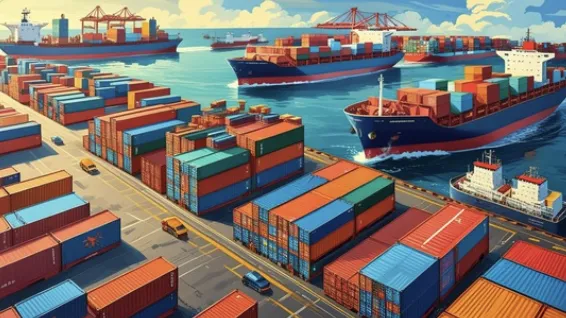
International Trade
Customs
Import / Export
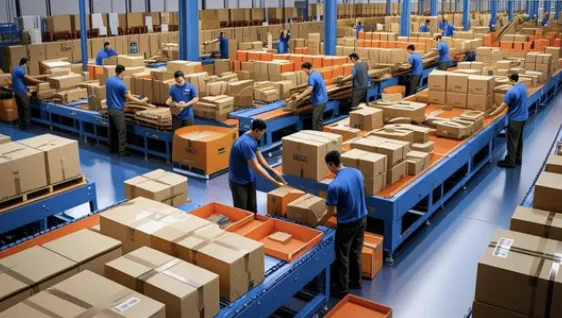
Logistics
Transportation Management
Fleet Management
Reverse Logistics
3PL / 4PL
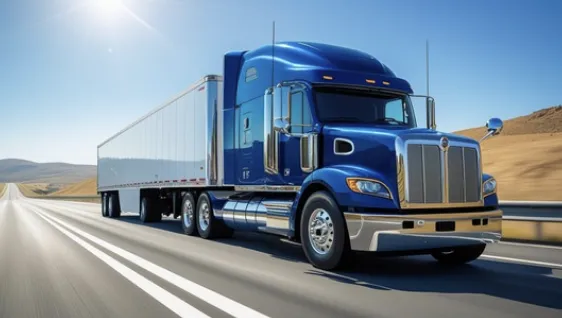
Transportation
Freight Forwarding -Air, Ocean and Rail
Domestic / International Courier /Small Package
Dedicated Carriage
Private Fleet
LTL / TL

Warehouse / Distribution
Inventory Management
Site Selection
D.C. Optimization
Labor Optimization

Manufacturing
Production Planning
Material Logistics
Lean Methodology

Procurement
Strategic Sourcing
Global Purchasing
E-procurement
Contract Management
Inquiries?
No hesitation, we can help you with a free Consultation