
Logistics
Transportation management
fleet management
3pl / 4pl
Transportation Management
Transportation Planning:
Route Optimization: Determining the most efficient routes for delivery, reducing transit time and transportation costs.
Mode Selection: Choosing the best transportation mode (truck, rail, air, ocean) based on cost, speed, and delivery requirements.
Load Optimization: Ensuring that vehicles are fully loaded to maximize space and reduce costs while avoiding overloading.
Carrier Management:
Carrier Selection: Identifying and working with the best carriers (third-party logistics providers, shipping companies, etc.) based on service level, reliability, and cost.
Negotiating Contracts: Setting up agreements with carriers that define pricing, terms, delivery standards, and service level expectations.
Carrier Performance Monitoring: Continuously monitoring and evaluating carriers to ensure they meet contractual terms and service standards.
Freight and Cost Management:
Freight Rate Negotiation: Negotiating freight rates with carriers to secure competitive prices for transportation services.
Cost Control: Monitoring transportation expenditures and finding ways to reduce costs through better routing, efficient load planning, and choosing the right carriers.
Freight Bill Auditing: Ensuring that all transportation invoices are accurate and reflect agreed-upon terms. Discrepancies can lead to refunds or adjustments.
Shipment Tracking and Visibility:
Real-Time Tracking: Leveraging technology to track shipments in real time, ensuring visibility into the location and estimated arrival times.
Customer Notifications: Providing customers with updates on the status of their deliveries, improving transparency and customer
experience.
Exception Management: Managing delays, disruptions, or issues with shipments and providing quick resolutions to avoid customer dissatisfaction.
Transportation Execution:
Dispatching: Coordinating and scheduling the transportation of goods, ensuring that deliveries happen on time.
Documentation: Handling all paperwork such as bills of lading, customs documents (for international shipping), shipping labels, and tracking records.
Compliance: Ensuring that all transportation activities comply with local, regional, and international laws and regulations (e.g., weight restrictions, safety protocols, and environmental guidelines).
Warehouse and Distribution Integration:
Inbound and Outbound Logistics: Coordinating the movement of goods from suppliers to warehouses (inbound) and from warehouses to customers (outbound).
Cross-Docking: Streamlining the transfer of goods from one transportation mode to another at distribution centers to reduce warehousing time and improve efficiency.
Risk and Damage Management:
Insurance: Securing insurance for goods during transit to mitigate the risk of loss or damage.
Damage Prevention: Implementing practices that reduce the likelihood of goods being damaged during transit, such as proper packing and handling.
Contingency Plans: Having plans in place to handle delays, accidents, or disasters that may affect shipments (e.g., rerouting, expedited shipping).
Technologies Used in Transportation Management
Transportation Management Systems (TMS): A TMS is software that helps businesses plan, execute, and optimize their transportation processes. TMS platforms offer functionalities like route optimization, freight audit, carrier management, shipment tracking, and analytics.
Fleet Management Software: Used to manage a company’s own fleet, it helps track and optimize vehicle operations. This includes vehicle maintenance, fuel usage, driver performance, route planning, and more.
Tracking and Visibility Tools: Real-time GPS and RFID technology help provide visibility into the location and status of shipments.
Route Optimization Algorithms: Advanced algorithms and AI-based tools are used to find the most efficient routes, factoring in real-time traffic data, weather conditions, delivery windows, and other variables. This helps reduce fuel consumption and transit times.
Electronic Data Interchange (EDI): EDI systems allow for the electronic exchange of business documents (e.g., invoices, bills of lading, shipping instructions) between organizations, improving efficiency and reducing errors in transportation management.
Best Practices for Effective Transportation Management
Consolidation of Shipments: Consolidating shipments helps reduce transportation costs by combining multiple smaller shipments into one larger load. This can be done by sharing truck space or coordinating with other shippers.
Choosing the Right Transportation Mode: Choosing between different modes (truck, rail, air, sea) depends on factors such as speed, distance, and cost. For example, air freight is faster but more expensive, while ocean freight is cheaper but slower.
Use of Data Analytics: Analyzing historical data on transportation costs, performance, and delivery times can help in making better decisions for future shipments. Predictive analytics can forecast demand and optimize capacity.
Sustainability Initiatives: Many companies are adopting green logistics practices, such as using electric vehicles, optimizing routes to reduce emissions, or selecting more eco-friendly carriers. Sustainability can help reduce costs and enhance a company’s brand image.
Continuous Carrier Performance Evaluation: Regularly assessing carriers' performance helps maintain high service levels. This includes evaluating delivery times, costs, customer satisfaction, and handling of goods.
Communication with Customers: Keeping customers informed about the status of their shipments, including potential delays or changes, helps build trust and enhances the customer experience.
Challenges in Transportation Management
Rising Fuel Costs: Fluctuating fuel prices can significantly impact transportation costs, especially for long-distance and international shipments. Effective transportation management strategies help mitigate these impacts by optimizing routes and minimizing fuel usage.
Regulatory Compliance: Transportation regulations vary by country, region, and industry. Ensuring compliance with safety standards, environmental regulations, and import/export laws is a challenge, especially for international shipments.
Supply Chain Disruptions: Events like natural disasters, strikes, or geopolitical issues can disrupt transportation. Effective risk management and contingency planning are essential for minimizing these disruptions.
Globalization and Complexity: As companies expand globally, transportation management becomes more complex. Managing different transportation networks, compliance with international regulations, and dealing with language barriers and cultural differences are ongoing challenges.
Driver Shortages: In some regions, there is a shortage of skilled truck drivers, which can lead to delays and higher transportation costs. This challenge is growing as demand for freight transportation increases.
Benefits of Effective Transportation Management
Cost Savings: By optimizing routes, consolidating shipments, and negotiating favorable contracts with carriers, companies can significantly reduce their transportation costs.
Improved Delivery Performance: Effective transportation management ensures that products reach customers on time, which leads to increased customer satisfaction and retention.
Scalability: A well-managed transportation system can scale with a company's growth, allowing it to handle higher volumes without sacrificing efficiency.
Enhanced Visibility: Real-time tracking and shipment visibility provide insights into the supply chain, enabling companies to make informed decisions and improve decision-making.
Competitive Advantage: By offering reliable and cost-effective transportation solutions, companies can distinguish themselves from competitors and gain a competitive edge in the marketplace.
Transportation management is a critical aspect of logistics that directly impacts the efficiency and cost-effectiveness of the entire supply chain. By utilizing modern technology, optimizing routes, managing carriers effectively, and leveraging best practices, businesses can reduce transportation costs, improve service levels, and gain a competitive edge in the market.
Fleet Management
Fleet management is the process of overseeing and coordinating a company’s vehicle fleet to ensure that it operates efficiently, safely, and cost-effectively. In logistics, fleet management plays a critical role in transporting goods and ensuring that vehicles are utilized optimally, maintenance is performed regularly, and operational costs are controlled.
Fleet management involves the management of both the vehicles used to transport goods and the drivers who operate them. It integrates technology, operations, and logistics to enhance overall transportation performance and reduce inefficiencies.
Key Components of Fleet Management
Vehicle Procurement and Maintenance:
Vehicle Selection: Choosing the right type of vehicles (e.g., trucks, vans, refrigerated units, etc.) based on the nature of the business and the types of goods being transported.
Maintenance Scheduling: Ensuring that vehicles undergo regular maintenance and inspections to prevent breakdowns, improve longevity, and maintain optimal performance.
Preventive Maintenance: Implementing a preventive maintenance program to minimize the risk of costly repairs and improve fleet reliability.
Fleet Renewal: Regularly updating the fleet with newer vehicles that offer improved fuel efficiency, better safety features, and lower maintenance costs.
Route Planning and Optimization:
Route Optimization: Using technology to calculate the most efficient routes for delivery, considering factors like traffic, road conditions, and delivery windows. Optimized routes help reduce fuel costs, improve delivery times, and minimize the carbon footprint.
Dynamic Routing: Adjusting routes in real-time based on changing conditions, such as road closures, traffic accidents, or weather disruptions. Geo-fencing: Setting up geofences to monitor when a vehicle enters or exits a specific area, providing visibility into driver behavior and improving compliance.
Fleet Tracking and Telematics:
GPS Tracking: Real-time GPS tracking allows fleet managers to monitor the location and movement of vehicles, providing better visibility and control over fleet operations. Telematics Systems: Advanced telematics systems capture data on vehicle performance, fuel consumption, driver behavior, and maintenance needs. This data is used for analysis, optimization, and decision-making.
Driver Behavior Monitoring: Tracking metrics like speeding, harsh braking, and idling time. Monitoring driver behavior helps improve safety, reduce fuel consumption, and lower the risk of accidents.
Fuel Management:
Fuel Efficiency Monitoring: Using telematics and route optimization to track fuel consumption and ensure that vehicles are operating efficiently.
Fuel Card Systems: Implementing fuel cards for drivers to track fuel expenses, making it easier to monitor spending, optimize refueling, and reduce fraud.
Alternative Fuel Vehicles: Exploring the use of alternative fuel sources like electric, hybrid, or natural gas vehicles to reduce fuel costs and minimize environmental impact.
Driver Management:
Driver Training: Offering regular driver training programs to improve driving skills, encourage fuel-efficient driving practices, and ensure compliance with safety regulations.
Driver Scheduling: Optimizing driver schedules to ensure that vehicles are operating efficiently without exceeding driving hours and complying with regulations on rest periods.
Driver Safety and Compliance: Ensuring that drivers follow safety protocols, adhere to road laws, and maintain proper certifications and licenses.
Regulatory Compliance:
Hours of Service (HOS) Compliance: Managing drivers’ working hours to ensure compliance with legal restrictions on driving time, rest breaks, and weekly driving hours.
Environmental Compliance: Ensuring that vehicles comply with emission standards and regulations set by local and international authorities to reduce environmental impact.
Inspection and Licensing: Keeping track of vehicle inspections, certifications, and licenses to ensure that all vehicles are legally compliant.
Cost Control and Budgeting:
Expense Monitoring: Monitoring and controlling costs related to fuel, maintenance, insurance, tolls, and driver compensation to maintain profitability.
Cost-Effective Procurement: Negotiating bulk purchase or lease agreements for vehicles to reduce procurement costs.
Data-Driven Decision Making: Leveraging fleet data to identify areas of inefficiency and make informed decisions that will improve cost control and resource allocation.
Fleet Safety and Security:
Security Measures: Implementing security features such as surveillance cameras, alarms, and vehicle tracking systems to protect against theft and unauthorized access.
Accident Management: Having processes in place for handling accidents, including incident reporting, damage assessment, insurance claims, and accident investigations.
Safety Protocols: Ensuring vehicles are equipped with safety features (e.g., airbags, anti-lock brakes, stability control) and that drivers follow safe driving practices.
Fleet Performance Analytics:
Key Performance Indicators (KPIs): Tracking fleet performance using KPIs such as fuel efficiency, on-time delivery, vehicle uptime, accident rates, and driver behavior.
Data Analysis: Analyzing fleet data to identify trends, optimize routes, predict maintenance needs, and improve overall fleet efficiency.
Cost Analysis: Calculating cost by route by vehicle to better understand operational costs and identify areas for improvement.
Technologies Used in Fleet Management
Fleet Management Software (FMS): Fleet management software helps automate and streamline fleet operations. It offers functionalities like vehicle tracking, route planning, maintenance scheduling, and reporting. Some examples include:
Telematics Devices: Telematics devices are used to gather real-time data on vehicle performance, fuel consumption, and driver behavior. This data is sent to cloud-based platforms for analysis and reporting.
Fuel Management Systems: Fuel management systems help track fuel purchases, monitor fuel efficiency, and optimize refueling practices. These systems also help prevent fuel theft and reduce fraud.
Route Optimization Tools: These tools use GPS, traffic data, and other inputs to find the best routes for vehicles, saving fuel, time, and costs.
Vehicle Diagnostics Tools: Diagnostic tools monitor the condition of fleet vehicles, alerting managers when maintenance is required or when a vehicle is experiencing mechanical issues. These tools can help predict failures before they happen, reducing downtime.
Best Practices for Fleet Management
Regular Maintenance and Inspections: Implement a proactive approach to vehicle maintenance by scheduling regular inspections and repairs. This reduces the likelihood of unexpected breakdowns and increases the lifespan of vehicles.
Driver Training and Performance Monitoring: Regularly train drivers on safe driving techniques, fuel-efficient driving practices, and the importance of maintaining vehicles. Use telematics to monitor driver behavior and offer coaching to improve performance.
Data-Driven Decisions: Collect and analyze fleet data to make informed decisions. Use fleet performance analytics to identify areas of inefficiency, reduce operating costs, and enhance safety.
Adopt Sustainable Practices: Implement sustainable practices such as using electric vehicles, optimizing routes to reduce fuel consumption, and implementing eco-friendly driver habits to reduce the environmental impact of the fleet.
Emergency Preparedness: Develop contingency plans for vehicle breakdowns, accidents, and other emergencies. Ensure that drivers are trained to handle emergencies, and that fleet managers have protocols for responding to incidents.
Benefits of Fleet Management
Improved Efficiency: By optimizing routes, scheduling regular maintenance, and tracking vehicle performance, fleet management improves operational efficiency and reduces downtime.
Cost Savings: Fleet management reduces costs by monitoring fuel usage, reducing unnecessary driving, optimizing routes, and minimizing repair costs through preventive maintenance.
Increased Safety: Proper driver training and monitoring, along with a well-maintained fleet, reduce the risk of accidents and improve overall safety for drivers, vehicles, and goods.
Better Compliance: Fleet management ensures that vehicles comply with local, state, and federal regulations related to safety, environmental standards, and operating hours.
Enhanced Customer Satisfaction: Timely deliveries, transparency, and efficient operations lead to improved customer satisfaction and stronger client relationships.
Fleet management is a critical aspect of logistics that involves optimizing vehicle use, ensuring driver safety, reducing operational costs, and improving efficiency. By implementing advanced technologies such as telematics, route optimization tools, and fleet management software, companies can gain better control over their fleet, enhance productivity, and improve the bottom line.
Reverse Logistics
Reverse Logistics refers to the process of moving goods from their final destination back to the manufacturer or distributor for the purpose of return, repair, recycling, or disposal. Unlike traditional logistics, which deals with moving products from suppliers to consumers, reverse logistics focuses on the flow of products in the opposite direction, from the consumer back to the supplier or manufacturer.
This aspect of logistics is becoming increasingly important, especially in industries like retail, e-commerce, electronics, and automotive, where returns and the handling of excess inventory or defective products can significantly affect profitability and customer satisfaction.
Key Components of Reverse Logistics
Product Returns:
Customer Returns: Involves the return of products by customers due to reasons such as dissatisfaction, product defects, or order errors. Managing returns efficiently helps businesses reduce costs and maintain positive customer relationships.
Returns Management: Establishing clear processes and policies for handling returns, including return windows, conditions for returns, restocking fees, and refund policies.
Repairs and Refurbishing:
Repair and Refurbishment: Products returned due to defects or wear can often be repaired, refurbished, or remanufactured and resold as new or “like-new” items. This process adds value by extending the life cycle of products.
Warranty Management: Handling returns under warranty or managing the repair processes in a structured way.
Recycling and Reuse:
Recycling Programs: Involves breaking down products into raw materials or parts that can be used to produce new goods. This reduces waste and helps companies meet sustainability goals.
Product Disassembly: When products are returned or damaged, they may be disassembled to recover valuable materials such as metals, plastics, and electronics for recycling or reuse.
E-Waste Management: Especially critical for electronics and technology companies, managing the disposal and recycling of electronic waste (e-waste) through proper channels and meeting environmental regulations.
Restocking and Reselling:
Restocking Returns: If returned goods are still in sellable condition (e.g., unused or unopened items), they can be restocked and resold in the market.
Outlet Sales and Discounts: Products returned due to overstock, seasons, or discontinued lines can be sold at discounted rates through outlets or clearance sales.
Refurbished Product Sales: Some items that have been returned after repairs or refurbishing can be sold as "refurbished" at a lower price, which still adds value to the product lifecycle.
Disposal:
Proper Disposal: In cases where products cannot be resold, repaired, or recycled, proper disposal procedures are followed to ensure compliance with environmental regulations. This includes using licensed disposal firms or adhering to regulations for hazardous materials, such as chemicals or batteries.
Environmental Impact: Companies increasingly prioritize environmentally friendly disposal methods to limit the environmental footprint and comply with sustainability regulations.
Processes Involved in Reverse Logistics
Returns Management: Develop a clear return policy. Create a reverse logistics system for handling returns efficiently. Categorize returns based on condition (e.g., defective, unused, damaged in transit).
Return Authorization: In many cases, return authorization (RA) is needed. Customers must first receive approval or instructions before returning items, helping to streamline returns and avoid fraudulent returns.
Inspection and Sorting: Once returned items are received, they are inspected to determine their condition. Products are sorted into categories: those for resale, repair, recycling, or disposal.
Transportation: Efficient transportation solutions are essential to managing reverse logistics. Many organizations use dedicated reverse logistics providers or third-party logistics (3PL) partners to manage returns from customers and return the goods to appropriate facilities.
Inventory Management: After returns are processed, returned goods may need to be inventoried, sorted, and stored. This involves using specialized inventory management systems to track returns and the disposition of products.
Restocking and Reselling: Returned goods that can be restocked are processed and returned to the distribution system or warehouses for resale.
Disposal and Recycling: Products that can’t be repaired or resold are either recycled or disposed of properly, often through certified environmental disposal methods.
Challenges in Reverse Logistics
Cost: Reverse logistics can be expensive, especially if return rates are high or if products need significant repairs or refurbishing. Transportation, labor, and handling costs can add up, and inefficient reverse logistics systems can erode profit margins.
Complexity: Reverse logistics involves multiple stages, including receiving returns, inspecting goods, sorting them, deciding on repairs or disposal, and managing inventory. This complexity requires careful coordination and can be difficult to manage without the right systems in place.
Customer Expectations: Customers expect a hassle-free and quick return process. Ensuring that the reverse logistics system is efficient and responsive is key to maintaining customer satisfaction.
Environmental Concerns: Managing the environmental impact of returned goods is increasingly important. Companies must ensure that products are recycled or disposed of in an environmentally responsible way to meet sustainability targets and comply with regulations.
Inventory Management: Managing returned inventory efficiently is difficult, as the condition of returned goods can vary. Companies need systems to determine whether returned products can be resold, repaired, or recycled.
Fraud and Abuse: Reverse logistics is also susceptible to return fraud, where customers return used or non-defective products as if they were faulty. Developing fraud detection systems and clear return policies helps mitigate this risk.
Technologies in Reverse Logistics
Return Management Software: Many companies are investing in return management software that helps track returns, streamline the return process, and provide customers with easy-to-follow return instructions.
RFID and Barcode Scanning: RFID and barcode scanning technology can be used to track returned products, ensure that items are accurately sorted, and improve inventory management in reverse logistics operations.
Transportation Management Systems (TMS): TMS platforms help companies optimize return transportation by offering route planning, tracking, and real-time updates. These systems can help reduce transportation costs for reverse logistics operations.
Warehouse Management Systems (WMS): A WMS is used to track the movement of goods in warehouses. In reverse logistics, it can help track the receipt and handling of returned items, and manage the sorting process for repairs, refurbishing, or disposal.
Artificial Intelligence (AI) and Data Analytics: AI and machine learning technologies help analyze return patterns, predict return rates, and optimize return processes by providing insights on how to reduce returns and improve product quality.
Benefits of Reverse Logistics
Customer Satisfaction: An efficient and transparent reverse logistics system ensures that customers are happy with the return process, leading to improved customer loyalty and retention.
Cost Savings: Refurbishing and reselling returned goods, or recycling components, reduces waste and generates revenue from products that would otherwise be lost.
Sustainability: By recycling, reusing, and refurbishing products, companies contribute to environmental sustainability and can improve their reputation as environmentally responsible organizations.
Inventory Management: Reverse logistics systems help companies better manage inventory by identifying which returned products are suitable for resale and which need to be repaired or recycled.
Improved Product Design: Analysis of returns can provide valuable feedback to manufacturers regarding product quality or customer dissatisfaction. This feedback can be used to improve future product designs.
Reverse logistics is a vital part of modern supply chains that helps companies manage returns, repairs, recycling, and disposal of goods. Efficient reverse logistics systems can enhance customer satisfaction, reduce waste, and contribute to cost savings and sustainability efforts.
3PL / 4PL
3PL and 4PL are terms used to describe different levels of outsourcing in the supply chain management process. They refer to the involvement of external parties to manage and handle various logistics functions such as warehousing, transportation, inventory management, and supply chain optimization.
3PL (Third-Party Logistics)
A 3PL provider is an external company that manages some or all of a company’s logistics operations. These services may include transportation, warehousing, order fulfillment, and inventory management.
Key Functions of a 3PL Provider:
Transportation Management: Managing freight, including selecting carriers, negotiating rates, and optimizing shipping routes. This includes LTL (Less-than-Truckload) and FCL (Full Container Load) freight, as well as air, ocean, and rail transport.
Warehousing: Providing storage facilities for goods, often with integrated technologies for managing inventory, order picking, packing, and shipping.
Order Fulfillment: Managing the picking, packing, and shipping of orders. This can include customer returns, cross-docking, and other processes to ensure smooth delivery.
Inventory Management: Monitoring stock levels, handling replenishment, and ensuring accurate inventory tracking. This can involve sophisticated technologies like RFID and WMS (Warehouse Management Systems).
Freight Forwarding: Managing the movement of goods across different countries, coordinating customs, and ensuring compliance with international regulations.
Customs and Compliance: Ensuring that shipments meet all regulatory and legal requirements for export and import, particularly when dealing with cross-border logistics.
Last-Mile Delivery: Managing the final step of the delivery process, ensuring products are delivered to customers' doors, either via parcel service or specialized carriers.
Benefits of 3PL:
Cost Savings: Outsourcing logistics to a 3PL can reduce capital investments and operational costs for businesses, especially for small or medium-sized companies without the resources to manage logistics in-house.
Expertise: 3PL providers have industry experience and specialized knowledge, helping businesses streamline their logistics processes.
Scalability: As a business grows, a 3PL can easily scale services to meet increased demand without the need for the business itself to invest in additional resources.
Focus on Core Competencies: Outsourcing logistics allows companies to focus on their core business functions, such as product development, marketing, and sales.
4PL (Fourth-Party Logistics)
A 4PL provider goes beyond the traditional 3PL service by acting as a single point of contact for all aspects of a company's supply chain. A 4PL manages not just logistics operations but also the entire supply chain network, including managing relationships with 3PL providers and other external partners.
Key Functions of a 4PL Provider:
Supply Chain Management:
Overseeing the entire supply chain, from raw materials to customer delivery, to optimize efficiency, reduce costs, and increase visibility. They may use advanced analytics to assess and improve supply chain performance.
Supplier Coordination:
Managing the relationships and coordination between suppliers, manufacturers, distributors, and 3PL providers, ensuring smooth information flow and process integration.
Technology Integration:
Implementing technology solutions that allow the client to have real-time visibility into the entire supply chain. This may include enterprise resource planning (ERP) systems, transportation management systems (TMS), and warehouse management systems (WMS).
Strategic Planning:
Helping companies develop long-term strategies for optimizing their supply chain, including demand forecasting, network design, and risk management.
Project Management:
Managing complex projects related to logistics, including the design and implementation of new logistics networks or changes to existing systems.
Customer Experience Management:
Monitoring and improving customer service and satisfaction by optimizing order fulfillment, reducing delivery times, and improving communication.
Benefits of 4PL:
End-to-End Visibility:
4PL providers offer a higher level of oversight over the entire supply chain, ensuring all parties are working efficiently toward common goals.
Streamlined Operations:
By coordinating all aspects of the supply chain and integrating various services, a 4PL can streamline processes, reduce redundancies, and optimize overall supply chain performance.
Improved Efficiency:
4PLs utilize cutting-edge technology and strategic planning to optimize the supply chain, helping businesses respond quickly to market changes and fluctuations in demand.
Cost-Effective:
A 4PL often reduces supply chain costs by negotiating better terms with suppliers and carriers and identifying inefficiencies.
Flexibility:
4PLs can be particularly valuable for companies in fast-moving industries that require flexibility and the ability to adapt quickly to changes in demand, production, or logistics challenges.
Which One is Right for Your Business?
3PL: Ideal for companies that need help with specific aspects of their logistics operations, such as warehousing, transportation, or order fulfillment. It’s a good option for companies that are scaling their logistics operations but don’t need full supply chain management.
4PL: Suitable for companies looking for a more holistic solution that covers the entire supply chain, including strategic management and optimization. 4PL is beneficial for large, complex organizations or businesses that want to consolidate their logistics functions under one management umbrella.
3PL and 4PL are both essential to modern supply chains, but they serve different needs. A 3PL is focused on executing logistics tasks, while a 4PL manages and integrates the entire supply chain process, providing more strategic oversight. Companies can choose between the two based on their needs—whether they require specific logistics services or a more comprehensive, integrated supply chain solution.
Contact Us to Learn More
Specialized Container Recruiting Services In:

Management
Corporate Officers Managers / Directors
Sales / Operations
Business Development
Labor Relations
Industrial Engineer
Quality Assurance
Safety / Compliance
Finance
Human Resources

Consulting
Evaluation/Optimization
Strategy
Implementation
Life-Cycle Management

Information Technology
Packaged Software RFID
WMS / TMS
Evaluation / Implementation
E-Commerce
Systems Integration
ERP / EMR
Product Design
Customer Support
CRM
Call Centers
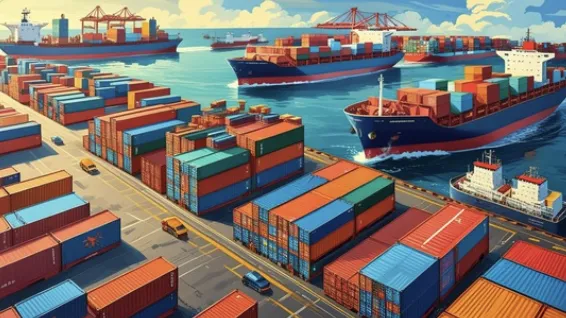
International Trade
Customs
Import / Export
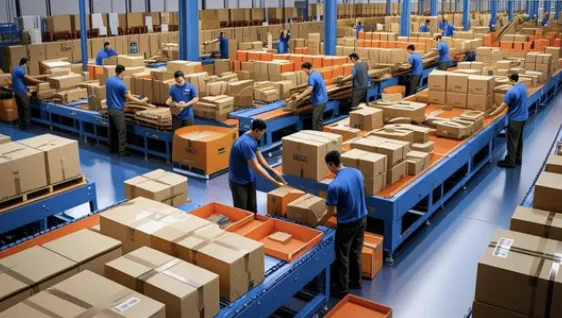
Logistics
Transportation Management
Fleet Management
Reverse Logistics
3PL / 4PL
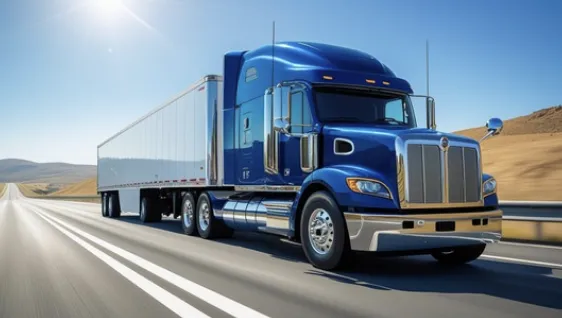
Transportation
Freight Forwarding -Air, Ocean and Rail
Domestic / International Courier /Small Package
Dedicated Carriage
Private Fleet
LTL / TL

Warehouse / Distribution
Inventory Management
Site Selection
D.C. Optimization
Labor Optimization

Manufacturing
Production Planning
Material Logistics
Lean Methodology

Procurement
Strategic Sourcing
Global Purchasing
E-procurement
Contract Management
Inquiries?
No hesitation, we can help you with a free Consultation