
Information Technology
PACKAGED SOFTWARE
WMS / TMS
WMS /TMS EVALUATION / IMPLEMENTATION
E-COMMERCE
SYSTEMS INTEGRATION
ERP / EMR
Packaged Software
In the context of logistics and supply chain management, Package Software typically refers to pre-built software solutions designed to streamline various operational aspects of these industries. These software packages can help manage different components, such as transportation, warehouse operations, inventory, and order processing, without requiring custom-built solutions.
Some examples of logistics-related package software include:
Warehouse Management Systems (WMS) Helps manage inventory levels, order fulfillment, and warehouse operations.
Transportation Management Systems (TMS)
Optimizes shipping routes, carriers, and transportation costs.
Enterprise Resource Planning (ERP) Integrates various business functions, like procurement, accounting, and human resources, within a single system.
Customer Relationship Management (CRM)
Manages customer interactions, including sales, support, and communications.
WMS / TMS
Navesink Logistics provides strategic advisory and implementation support for Warehouse Management Systems (WMS) and Transportation Management Systems (TMS). Our approach ensures that technology investments directly enhance operational performance, visibility, and cost control across the supply chain.
We bridge the gap between process design and system capability—helping clients select, configure, and optimize platforms that support current operations and future growth.
WMS (Warehouse Management System) and TMS (Transportation Management System) are critical components of logistics and supply chain operations. They serve complementary roles and help businesses optimize their operations, improve efficiency, reduce costs, and enhance customer satisfaction. Here’s a closer look at each:
WMS (Warehouse Management System)
A WMS helps manage the day-to-day operations in a warehouse, including the tracking of inventory, movement of goods, and order fulfillment. It ensures that products are stored, picked, and shipped accurately and efficiently.
Key Features of WMS:
Inventory Management:
Tracks stock levels in real-time and helps prevent stockouts or overstocking.
Order Fulfillment:
Manages picking, packing, and shipping processes to fulfill orders quickly and accurately.
Warehouse Optimization:
Helps optimize warehouse layout, slotting, and storage to reduce pick times.
Barcode/RFID Scanning:
Streamlines data entry, improves accuracy, and enhances inventory tracking.
Real-time Reporting:
Provides insights into performance metrics, inventory accuracy, and order statuses.
TMS (Transportation Management System)
A TMS focuses on the planning, execution, and optimization of the transportation component of supply chain management. It helps manage and monitor the movement of goods across various transportation modes, including trucks, ships, planes, and trains.
Key Features of TMS:
Route Optimization: Identifies the most cost-effective and time-efficient routes for transportation.
Carrier Management:
Helps manage relationships with transportation providers, including selecting the right carriers for specific shipments.
Freight Costing:
Calculates the cost of shipments, allowing businesses to evaluate and control transportation expenses.
Load Planning:
Optimizes how goods are loaded into vehicles to maximize capacity and reduce fuel consumption.
Tracking and Visibility:
Provides real-time tracking of shipments and delivery status updates to ensure on-time deliveries.
Compliance:
Ensures compliance with regulations and industry standards for shipping, including international trade compliance.
Integration of WMS and TMS
Together, WMS and TMS allow for seamless coordination between warehouse and transportation operations. When integrated, they can:
Improve Data Flow:
Order and shipment data can be shared between systems, eliminating errors and delays.
Optimize the Supply Chain:
WMS helps manage inventory levels and order fulfillment, while TMS ensures the most efficient transportation routes and carrier selection.
Enhance Customer Service:
Both systems contribute to on-time deliveries, reducing errors and improving overall customer satisfaction.
These systems are vital for organizations looking to scale their operations, automate processes, and achieve operational excellence.
Evaluating and implementing WMS (Warehouse Management System) and TMS (Transportation Management System) is a crucial step for improving efficiency and reducing costs in logistics operations. The process typically involves careful planning, assessing business needs, selecting the right system, and ensuring smooth integration with existing operations. Here’s a step-by-step breakdown of the evaluation and implementation process:
Evaluation Phase
This phase focuses on understanding your current needs, assessing the available options, and determining the best system for your business.
Step 1: Define Business Requirements
Conduct a needs assessment: Identify key challenges and areas of improvement within your warehouse or transportation operations (e.g., inefficient routes, inventory discrepancies, poor order fulfillment).
Establish specific goals: Define what you aim to achieve with a WMS or TMS (e.g., reduce shipping costs, improve inventory accuracy, enhance delivery times).
Determine scalability needs: Consider future growth and whether the software can scale to meet your evolving requirements.
Involve key stakeholders: Consult with warehouse managers, transportation planners, and IT staff to gather insights into system requirements.
Step 2: Research and Select Software Options
Vendor Evaluation:
Research various WMS and TMS providers to find the best-fit solution based on your needs. Some top vendors include SAP, Oracle, Manhattan Associates, and JDA.
Features comparison:
Ensure the software has the necessary features (e.g., route optimization, real-time inventory tracking, integration capabilities).
User reviews and case studies:
Check reviews, case studies, and industry feedback to gauge the software's effectiveness in similar business contexts.
Software compatibility:
Ensure the system integrates smoothly with your existing IT infrastructure (ERP, CRM, etc.).
Step 3: Evaluate Cost and ROI
Total Cost of Ownership (TCO):
Consider licensing costs, maintenance fees, hardware requirements, and any additional support costs.
Return on Investment (ROI):
Estimate the long-term savings or efficiency improvements the system will deliver (e.g., reduced labor costs, optimized transportation routes).
Budget considerations:
Ensure the chosen software aligns with your budget and provides clear ROI metrics.
Implementation Phase
The implementation process requires careful planning, testing, and execution to ensure smooth adoption and minimal disruption.
Step 1: Planning and Project Management
Set a timeline:
Establish a realistic project timeline with key milestones (e.g., software selection, installation, testing, full deployment).
Assign a project team:
Appoint a project manager and define roles for key team members (IT, logistics, finance, etc.).
Change management plan
Address potential challenges, such as resistance to new technology or employee training, by preparing a communication and training plan.
Step 2: Software Customization and Configuration
System configuration:
Customize the WMS/TMS to match your specific operational needs (e.g., warehouse layout, transportation routes, specific business rules).
Data migration:
Ensure that existing data (inventory records, transportation contracts, order histories) is accurately transferred into the new system.
Integration:
Integrate WMS/TMS with other business systems (ERP, CRM) to ensure seamless data flow across platforms.
Step 3: Testing
Pilot testing:
Conduct a pilot run of the system in a controlled environment (e.g., one warehouse or a limited set of routes) to test its functionality.
User acceptance testing (UAT):
Have end-users test the system to ensure it meets their needs and is user-friendly.
Issue resolution:
Address any bugs, glitches, or integration problems identified during testing.
Step 4: Training
Training programs:
Provide in-depth training for all employees who will interact with the system (warehouse staff, drivers, planners, etc.).
Support materials:
Offer user manuals, video tutorials, and support resources to help employees get up to speed quickly.
Ongoing training:
Ensure periodic training for staff to keep up with updates and new features.
Step 5: Go Live and Post-Implementation
Support
Go live: Roll out the system across your full operation, monitoring for any issues during the transition.
Monitor performance:
Track system performance closely for the first few weeks, ensuring all features are functioning as expected.
Continuous improvement:
Collect feedback from users and analyze key performance indicators (KPIs) to identify areas for improvement.
Vendor support:
Leverage vendor support and software updates as needed to resolve issues and optimize system performance.
Key Considerations for Success
Integration capabilities:
Ensure your WMS and TMS integrate seamlessly with existing systems (ERP, accounting, etc.).
Data quality:
High-quality data is essential for accurate inventory tracking and transportation management. Regular data audits may be necessary.
Scalability and flexibility:
Ensure the system can adapt to future business growth and changing logistics needs
.
User adoption:
Ensure all employees are well-trained and comfortable using the system to maximize its benefits.
Common Challenges to Watch Out For
System downtime during implementation: Minimize disruptions by planning carefully and scheduling downtime during off-peak hours.
Resistance to change: Overcome resistance by demonstrating the benefits and involving key stakeholders early in the process.
Data migration issues:
Ensure data is transferred accurately and cleanly to avoid operational disruptions.
WMS / TMS Evaluation / Implementation
Navesink Logistics provides strategic advisory and implementation support for Warehouse Management Systems (WMS) and Transportation Management Systems (TMS). Our approach ensures that technology investments directly enhance operational performance, visibility, and cost control across the supply chain.
We bridge the gap between process design and system capability—helping clients select, configure, and optimize platforms that support current operations and future growth.
WMS (Warehouse Management System) and TMS (Transportation Management System) are critical components of logistics and supply chain operations. They serve complementary roles and help businesses optimize their operations, improve efficiency, reduce costs, and enhance customer satisfaction. Here’s a closer look at each:
WMS (Warehouse Management System)
A WMS helps manage the day-to-day operations in a warehouse, including the tracking of inventory, movement of goods, and order fulfillment. It ensures that products are stored, picked, and shipped accurately and efficiently.
Key Features of WMS:
Inventory Management:
Tracks stock levels in real-time and helps prevent stockouts or overstocking.
Order Fulfillment:
Manages picking, packing, and shipping processes to fulfill orders quickly and accurately.
Warehouse Optimization:
Helps optimize warehouse layout, slotting, and storage to reduce pick times.
Barcode/RFID Scanning:
Streamlines data entry, improves accuracy, and enhances inventory tracking.
Real-time Reporting:
Provides insights into performance metrics, inventory accuracy, and order statuses.
TMS (Transportation Management System)
A TMS focuses on the planning, execution, and optimization of the transportation component of supply chain management. It helps manage and monitor the movement of goods across various transportation modes, including trucks, ships, planes, and trains.
Key Features of TMS:
Route Optimization: Identifies the most cost-effective and time-efficient routes for transportation.
Carrier Management:
Helps manage relationships with transportation providers, including selecting the right carriers for specific shipments.
Freight Costing:
Calculates the cost of shipments, allowing businesses to evaluate and control transportation expenses.
Load Planning:
Optimizes how goods are loaded into vehicles to maximize capacity and reduce fuel consumption.
Tracking and Visibility:
Provides real-time tracking of shipments and delivery status updates to ensure on-time deliveries.
Compliance:
Ensures compliance with regulations and industry standards for shipping, including international trade compliance.
Integration of WMS and TMS
Together, WMS and TMS allow for seamless coordination between warehouse and transportation operations. When integrated, they can:
Improve Data Flow:
Order and shipment data can be shared between systems, eliminating errors and delays.
Optimize the Supply Chain:
WMS helps manage inventory levels and order fulfillment, while TMS ensures the most efficient transportation routes and carrier selection.
Enhance Customer Service:
Both systems contribute to on-time deliveries, reducing errors and improving overall customer satisfaction.
These systems are vital for organizations looking to scale their operations, automate processes, and achieve operational excellence.
Evaluating and implementing WMS (Warehouse Management System) and TMS (Transportation Management System) is a crucial step for improving efficiency and reducing costs in logistics operations. The process typically involves careful planning, assessing business needs, selecting the right system, and ensuring smooth integration with existing operations. Here’s a step-by-step breakdown of the evaluation and implementation process:
Evaluation Phase
This phase focuses on understanding your current needs, assessing the available options, and determining the best system for your business.
Step 1: Define Business Requirements
Conduct a needs assessment: Identify key challenges and areas of improvement within your warehouse or transportation operations (e.g., inefficient routes, inventory discrepancies, poor order fulfillment).
Establish specific goals: Define what you aim to achieve with a WMS or TMS (e.g., reduce shipping costs, improve inventory accuracy, enhance delivery times).
Determine scalability needs: Consider future growth and whether the software can scale to meet your evolving requirements.
Involve key stakeholders: Consult with warehouse managers, transportation planners, and IT staff to gather insights into system requirements.
Step 2: Research and Select Software Options
Vendor Evaluation:
Research various WMS and TMS providers to find the best-fit solution based on your needs. Some top vendors include SAP, Oracle, Manhattan Associates, and JDA.
Features comparison:
Ensure the software has the necessary features (e.g., route optimization, real-time inventory tracking, integration capabilities).
User reviews and case studies:
Check reviews, case studies, and industry feedback to gauge the software's effectiveness in similar business contexts.
Software compatibility:
Ensure the system integrates smoothly with your existing IT infrastructure (ERP, CRM, etc.).
Step 3: Evaluate Cost and ROI
Total Cost of Ownership (TCO):
Consider licensing costs, maintenance fees, hardware requirements, and any additional support costs.
Return on Investment (ROI):
Estimate the long-term savings or efficiency improvements the system will deliver (e.g., reduced labor costs, optimized transportation routes).
Budget considerations:
Ensure the chosen software aligns with your budget and provides clear ROI metrics.
Implementation Phase
The implementation process requires careful planning, testing, and execution to ensure smooth adoption and minimal disruption.
Step 1: Planning and Project Management
Set a timeline:
Establish a realistic project timeline with key milestones (e.g., software selection, installation, testing, full deployment).
Assign a project team:
Appoint a project manager and define roles for key team members (IT, logistics, finance, etc.).
Change management plan
Address potential challenges, such as resistance to new technology or employee training, by preparing a communication and training plan.
Step 2: Software Customization and Configuration
System configuration:
Customize the WMS/TMS to match your specific operational needs (e.g., warehouse layout, transportation routes, specific business rules).
Data migration:
Ensure that existing data (inventory records, transportation contracts, order histories) is accurately transferred into the new system.
Integration:
Integrate WMS/TMS with other business systems (ERP, CRM) to ensure seamless data flow across platforms.
Step 3: Testing
Pilot testing:
Conduct a pilot run of the system in a controlled environment (e.g., one warehouse or a limited set of routes) to test its functionality.
User acceptance testing (UAT):
Have end-users test the system to ensure it meets their needs and is user-friendly.
Issue resolution:
Address any bugs, glitches, or integration problems identified during testing.
Step 4: Training
Training programs:
Provide in-depth training for all employees who will interact with the system (warehouse staff, drivers, planners, etc.).
Support materials:
Offer user manuals, video tutorials, and support resources to help employees get up to speed quickly.
Ongoing training:
Ensure periodic training for staff to keep up with updates and new features.
Step 5: Go Live and Post-Implementation
Support
Go live: Roll out the system across your full operation, monitoring for any issues during the transition.
Monitor performance:
Track system performance closely for the first few weeks, ensuring all features are functioning as expected.
Continuous improvement:
Collect feedback from users and analyze key performance indicators (KPIs) to identify areas for improvement.
Vendor support:
Leverage vendor support and software updates as needed to resolve issues and optimize system performance.
Key Considerations for Success
Integration capabilities:
Ensure your WMS and TMS integrate seamlessly with existing systems (ERP, accounting, etc.).
Data quality:
High-quality data is essential for accurate inventory tracking and transportation management. Regular data audits may be necessary.
Scalability and flexibility:
Ensure the system can adapt to future business growth and changing logistics needs
.
User adoption:
Ensure all employees are well-trained and comfortable using the system to maximize its benefits.
Common Challenges to Watch Out For
System downtime during implementation: Minimize disruptions by planning carefully and scheduling downtime during off-peak hours.
Resistance to change: Overcome resistance by demonstrating the benefits and involving key stakeholders early in the process.
Data migration issues:
Ensure data is transferred accurately and cleanly to avoid operational disruptions.
E-Commerce
E-commerce businesses often rely on efficient logistics operations to provide fast, accurate, and cost-effective delivery services.
Key areas of integration include:
Order Fulfillment
Inventory Visibility:
Integrating e-commerce platforms with Warehouse Management Systems (WMS) ensures that inventory levels are updated in real-time as orders are placed and fulfilled.
Pick and Pack:
Once an order is placed, the WMS can guide warehouse staff through the most efficient picking and packing process. This helps reduce errors and improves fulfillment speed.
Multi-channel Fulfillment:
Many e-commerce businesses sell through multiple channels (e.g., online store, third-party marketplaces, social media), and integration with logistics systems allows for centralized order management.
Shipping and Transportation
Order Routing: Transportation Management Systems (TMS) can help optimize which shipping carriers or delivery methods are used based on factors like cost, speed, and customer preferences.
Shipping Cost Calculation:
Integrating e-commerce platforms with TMS allows businesses to automatically calculate shipping costs at checkout, providing transparency for customers.
Real-time Tracking:
E-commerce businesses can offer customers real-time tracking of their shipments by integrating TMS with carrier tracking systems.
Key E-commerce Logistics Challenges
Operating an efficient e-commerce logistics operation can present various challenges, including:
Inventory Management
Stock-outs & Overstocking:
Accurate inventory tracking is critical for e-commerce businesses to prevent over-promising to customers or holding too much unsold stock.
Warehouse Space Optimization:
Efficient space usage within warehouses is essential for e-commerce businesses with high product turnover. WMS solutions help manage warehouse layouts and optimize storage.
Last-Mile Delivery
Cost & Efficiency:
Last-mile delivery (the final step of shipping goods to the customer) is often the most expensive part of logistics. Leveraging TMS can help optimize routes, reducing delivery costs.
Customer Expectations: E-commerce customers now expect fast, often free, delivery. Meeting these expectations requires efficient routing and reliable logistics systems.
Returns Management
Reverse Logistics:
Managing product returns is a common challenge in e-commerce. Implementing reverse logistics solutions (often a component of WMS and TMS) helps businesses process returns quickly and efficiently.
Restocking Inventory:
Efficient handling of returned goods ensures that returned items can be inspected and restocked quickly, minimizing lost sales.
E-commerce Specific Technologies
To address these challenges, several technologies can be integrated with e-commerce platforms to improve logistics and supply chain management:
Automation
Automated Picking & Sorting:
In warehouses, automation (like robotic systems or conveyor belts) helps speed up the picking and packing process, reducing human error and improving efficiency.
Automated Shipping Solutions:
Automated software can help generate shipping labels, track shipments, and optimize delivery routes, reducing manual intervention.
Data Analytics
Demand Forecasting:
E-commerce businesses can use analytics to predict demand patterns, allowing for better inventory management and more efficient use of warehouse space.
Customer Insights:
Understanding customer buying behaviors allows for better decision-making regarding inventory stocking and delivery options.
Cloud-Based Solutions
Real-Time Data:
Cloud-based platforms enable real-time visibility into orders, inventory, and shipments, helping businesses make data-driven decisions and improve customer service.
Scalability:
Cloud-based solutions are scalable, meaning they can grow with a business as demand increases.
Key E-commerce Logistics Strategies
To optimize logistics for e-commerce, businesses can adopt several strategies:
Omnichannel Fulfillment
E-commerce businesses should consider integrating omnichannel fulfillment strategies. This allows customers to buy products online and pick them up in-store (or vice versa), which can reduce shipping costs and delivery times.
Dropshipping allows e-commerce businesses to sell products without holding inventory. Instead, the product is shipped directly from the supplier to the customer. This eliminates warehousing and inventory management costs but requires close collaboration with suppliers to ensure timely and accurate deliveries.
Flexible Delivery Options
Offering a variety of shipping options, such as express, same-day delivery, or scheduled delivery, can improve customer satisfaction and help differentiate your business in a competitive market.
Subscription Services
For businesses offering subscription-based products (e.g., beauty boxes, food delivery), managing consistent, repeat deliveries is critical. Logistics solutions must be able to track subscriptions and ensure timely shipments every month or delivery cycle.
Benefits of E-commerce Logistics Integration
Integrating e-commerce with logistics systems provides several advantages:
Efficiency and Accuracy: Automated systems reduce manual labor and errors, improving order accuracy and fulfillment speed.
Cost Reduction: Optimizing shipping routes, inventory management, and warehouse operations leads to lower operational costs.
Improved Customer Experience: Faster deliveries, real-time tracking, and accurate inventory levels contribute to higher customer satisfaction and loyalty.
Scalability: Integrated systems allow e-commerce businesses to scale operations more effectively as demand increases.
PACKAGED SOFTWARE
In the context of logistics and supply chain management, Package Software typically refers to pre-built software solutions designed to streamline various operational aspects of these industries. These software packages can help manage different components, such as transportation, warehouse operations, inventory, and order processing, without requiring custom-built solutions.
Some examples of logistics-related package software include:
Warehouse Management Systems (WMS) Helps manage inventory levels, order fulfillment, and warehouse operations.
Transportation Management Systems (TMS)
Optimizes shipping routes, carriers, and transportation costs.
Enterprise Resource Planning (ERP) Integrates various business functions, like procurement, accounting, and human resources, within a single system.
Customer Relationship Management (CRM)
Manages customer interactions, including sales, support, and communications.
WMS and TMS Optimization
Overview
Navesink Logistics provides strategic advisory and implementation support for Warehouse Management Systems (WMS) and Transportation Management Systems (TMS). Our approach ensures that technology investments directly enhance operational performance, visibility, and cost control across the supply chain.
We bridge the gap between process design and system capability—helping clients select, configure, and optimize platforms that support current operations and future growth.
WMS (Warehouse Management System) and TMS (Transportation Management System) are critical components of logistics and supply chain operations. They serve complementary roles and help businesses optimize their operations, improve efficiency, reduce costs, and enhance customer satisfaction. Here’s a closer look at each:
WMS (Warehouse Management System)
A WMS helps manage the day-to-day operations in a warehouse, including the tracking of inventory, movement of goods, and order fulfillment. It ensures that products are stored, picked, and shipped accurately and efficiently.
Key Features of WMS:
Inventory Management:
Tracks stock levels in real-time and helps prevent stockouts or overstocking.
Order Fulfillment:
Manages picking, packing, and shipping processes to fulfill orders quickly and accurately.
Warehouse Optimization:
Helps optimize warehouse layout, slotting, and storage to reduce pick times.
Barcode/RFID Scanning:
Streamlines data entry, improves accuracy, and enhances inventory tracking.
Real-time Reporting:
Provides insights into performance metrics, inventory accuracy, and order statuses.
TMS (Transportation Management System)
A TMS focuses on the planning, execution, and optimization of the transportation component of supply chain management. It helps manage and monitor the movement of goods across various transportation modes, including trucks, ships, planes, and trains.
Key Features of TMS:
Route Optimization: Identifies the most cost-effective and time-efficient routes for transportation.
Carrier Management:
Helps manage relationships with transportation providers, including selecting the right carriers for specific shipments.
Freight Costing:
Calculates the cost of shipments, allowing businesses to evaluate and control transportation expenses.
Load Planning:
Optimizes how goods are loaded into vehicles to maximize capacity and reduce fuel consumption.
Tracking and Visibility:
Provides real-time tracking of shipments and delivery status updates to ensure on-time deliveries.
Compliance:
Ensures compliance with regulations and industry standards for shipping, including international trade compliance.
Integration of WMS and TMS
Together, WMS and TMS allow for seamless coordination between warehouse and transportation operations. When integrated, they can:
Improve Data Flow:
Order and shipment data can be shared between systems, eliminating errors and delays.
Optimize the Supply Chain:
WMS helps manage inventory levels and order fulfillment, while TMS ensures the most efficient transportation routes and carrier selection.
Enhance Customer Service:
Both systems contribute to on-time deliveries, reducing errors and improving overall customer satisfaction.
These systems are vital for organizations looking to scale their operations, automate processes, and achieve operational excellence.
Evaluating and implementing WMS (Warehouse Management System) and TMS (Transportation Management System) is a crucial step for improving efficiency and reducing costs in logistics operations. The process typically involves careful planning, assessing business needs, selecting the right system, and ensuring smooth integration with existing operations. Here’s a step-by-step breakdown of the evaluation and implementation process:
Evaluation Phase
This phase focuses on understanding your current needs, assessing the available options, and determining the best system for your business.
Step 1: Define Business Requirements
Conduct a needs assessment: Identify key challenges and areas of improvement within your warehouse or transportation operations (e.g., inefficient routes, inventory discrepancies, poor order fulfillment).
Establish specific goals: Define what you aim to achieve with a WMS or TMS (e.g., reduce shipping costs, improve inventory accuracy, enhance delivery times).
Determine scalability needs: Consider future growth and whether the software can scale to meet your evolving requirements.
Involve key stakeholders: Consult with warehouse managers, transportation planners, and IT staff to gather insights into system requirements.
Step 2: Research and Select Software Options
Vendor Evaluation:
Research various WMS and TMS providers to find the best-fit solution based on your needs. Some top vendors include SAP, Oracle, Manhattan Associates, and JDA.
Features comparison:
Ensure the software has the necessary features (e.g., route optimization, real-time inventory tracking, integration capabilities).
User reviews and case studies:
Check reviews, case studies, and industry feedback to gauge the software's effectiveness in similar business contexts.
Software compatibility:
Ensure the system integrates smoothly with your existing IT infrastructure (ERP, CRM, etc.).
Step 3: Evaluate Cost and ROI
Total Cost of Ownership (TCO):
Consider licensing costs, maintenance fees, hardware requirements, and any additional support costs.
Return on Investment (ROI):
Estimate the long-term savings or efficiency improvements the system will deliver (e.g., reduced labor costs, optimized transportation routes).
Budget considerations:
Ensure the chosen software aligns with your budget and provides clear ROI metrics.
Implementation Phase
The implementation process requires careful planning, testing, and execution to ensure smooth adoption and minimal disruption.
Step 1: Planning and Project Management
Set a timeline:
Establish a realistic project timeline with key milestones (e.g., software selection, installation, testing, full deployment).
Assign a project team:
Appoint a project manager and define roles for key team members (IT, logistics, finance, etc.).
Change management plan
Address potential challenges, such as resistance to new technology or employee training, by preparing a communication and training plan.
Step 2: Software Customization and Configuration
System configuration:
Customize the WMS/TMS to match your specific operational needs (e.g., warehouse layout, transportation routes, specific business rules).
Data migration:
Ensure that existing data (inventory records, transportation contracts, order histories) is accurately transferred into the new system.
Integration:
Integrate WMS/TMS with other business systems (ERP, CRM) to ensure seamless data flow across platforms.
Step 3: Testing
Pilot testing:
Conduct a pilot run of the system in a controlled environment (e.g., one warehouse or a limited set of routes) to test its functionality.
User acceptance testing (UAT):
Have end-users test the system to ensure it meets their needs and is user-friendly.
Issue resolution:
Address any bugs, glitches, or integration problems identified during testing.
Step 4: Training
Training programs:
Provide in-depth training for all employees who will interact with the system (warehouse staff, drivers, planners, etc.).
Support materials:
Offer user manuals, video tutorials, and support resources to help employees get up to speed quickly.
Ongoing training:
Ensure periodic training for staff to keep up with updates and new features.
Step 5: Go Live and Post-Implementation
Support
Go live: Roll out the system across your full operation, monitoring for any issues during the transition.
Monitor performance:
Track system performance closely for the first few weeks, ensuring all features are functioning as expected.
Continuous improvement:
Collect feedback from users and analyze key performance indicators (KPIs) to identify areas for improvement.
Vendor support:
Leverage vendor support and software updates as needed to resolve issues and optimize system performance.
Key Considerations for Success
Integration capabilities:
Ensure your WMS and TMS integrate seamlessly with existing systems (ERP, accounting, etc.).
Data quality:
High-quality data is essential for accurate inventory tracking and transportation management. Regular data audits may be necessary.
Scalability and flexibility:
Ensure the system can adapt to future business growth and changing logistics needs
.
User adoption:
Ensure all employees are well-trained and comfortable using the system to maximize its benefits.
Common Challenges to Watch Out For
System downtime during implementation: Minimize disruptions by planning carefully and scheduling downtime during off-peak hours.
Resistance to change: Overcome resistance by demonstrating the benefits and involving key stakeholders early in the process.
Data migration issues:
Ensure data is transferred accurately and cleanly to avoid operational disruptions.
E-COMMERCE
E-commerce and Logistics Integration
E-commerce businesses often rely on efficient logistics operations to provide fast, accurate, and cost-effective delivery services.
Key areas of integration include:
Order Fulfillment
Inventory Visibility:
Integrating e-commerce platforms with Warehouse Management Systems (WMS) ensures that inventory levels are updated in real-time as orders are placed and fulfilled.
Pick and Pack:
Once an order is placed, the WMS can guide warehouse staff through the most efficient picking and packing process. This helps reduce errors and improves fulfillment speed.
Multi-channel Fulfillment:
Many e-commerce businesses sell through multiple channels (e.g., online store, third-party marketplaces, social media), and integration with logistics systems allows for centralized order management.
Shipping and Transportation
Order Routing: Transportation Management Systems (TMS) can help optimize which shipping carriers or delivery methods are used based on factors like cost, speed, and customer preferences.
Shipping Cost Calculation:
Integrating e-commerce platforms with TMS allows businesses to automatically calculate shipping costs at checkout, providing transparency for customers.
Real-time Tracking:
E-commerce businesses can offer customers real-time tracking of their shipments by integrating TMS with carrier tracking systems.
Key E-commerce Logistics Challenges
Operating an efficient e-commerce logistics operation can present various challenges, including:
Inventory Management
Stock-outs & Overstocking:
Accurate inventory tracking is critical for e-commerce businesses to prevent over-promising to customers or holding too much unsold stock.
Warehouse Space Optimization:
Efficient space usage within warehouses is essential for e-commerce businesses with high product turnover. WMS solutions help manage warehouse layouts and optimize storage.
Last-Mile Delivery
Cost & Efficiency:
Last-mile delivery (the final step of shipping goods to the customer) is often the most expensive part of logistics. Leveraging TMS can help optimize routes, reducing delivery costs.
Customer Expectations: E-commerce customers now expect fast, often free, delivery. Meeting these expectations requires efficient routing and reliable logistics systems.
Returns Management
Reverse Logistics:
Managing product returns is a common challenge in e-commerce. Implementing reverse logistics solutions (often a component of WMS and TMS) helps businesses process returns quickly and efficiently.
Restocking Inventory:
Efficient handling of returned goods ensures that returned items can be inspected and restocked quickly, minimizing lost sales.
E-commerce Specific Technologies
To address these challenges, several technologies can be integrated with e-commerce platforms to improve logistics and supply chain management:
Automation
Automated Picking & Sorting:
In warehouses, automation (like robotic systems or conveyor belts) helps speed up the picking and packing process, reducing human error and improving efficiency.
Automated Shipping Solutions:
Automated software can help generate shipping labels, track shipments, and optimize delivery routes, reducing manual intervention.
Data Analytics
Demand Forecasting:
E-commerce businesses can use analytics to predict demand patterns, allowing for better inventory management and more efficient use of warehouse space.
Customer Insights:
Understanding customer buying behaviors allows for better decision-making regarding inventory stocking and delivery options.
Cloud-Based Solutions
Real-Time Data:
Cloud-based platforms enable real-time visibility into orders, inventory, and shipments, helping businesses make data-driven decisions and improve customer service.
Scalability:
Cloud-based solutions are scalable, meaning they can grow with a business as demand increases.
Key E-commerce Logistics Strategies
To optimize logistics for e-commerce, businesses can adopt several strategies:
Omnichannel Fulfillment
E-commerce businesses should consider integrating omnichannel fulfillment strategies. This allows customers to buy products online and pick them up in-store (or vice versa), which can reduce shipping costs and delivery times.
Dropshipping allows e-commerce businesses to sell products without holding inventory. Instead, the product is shipped directly from the supplier to the customer. This eliminates warehousing and inventory management costs but requires close collaboration with suppliers to ensure timely and accurate deliveries.
Flexible Delivery Options
Offering a variety of shipping options, such as express, same-day delivery, or scheduled delivery, can improve customer satisfaction and help differentiate your business in a competitive market.
Subscription Services
For businesses offering subscription-based products (e.g., beauty boxes, food delivery), managing consistent, repeat deliveries is critical. Logistics solutions must be able to track subscriptions and ensure timely shipments every month or delivery cycle.
Benefits of E-commerce Logistics Integration
Integrating e-commerce with logistics systems provides several advantages:
Efficiency and Accuracy: Automated systems reduce manual labor and errors, improving order accuracy and fulfillment speed.
Cost Reduction: Optimizing shipping routes, inventory management, and warehouse operations leads to lower operational costs.
Improved Customer Experience: Faster deliveries, real-time tracking, and accurate inventory levels contribute to higher customer satisfaction and loyalty.
Scalability: Integrated systems allow e-commerce businesses to scale operations more effectively as demand increases.
SYSTEMS INTEGRATION
Systems Integration in the context of logistics and supply chain management refers to the process of connecting different software and technologies across an organization to work together seamlessly. For a business to operate efficiently, it's crucial that all systems, whether for Warehouse Management (WMS), Transportation Management (TMS), Enterprise Resource Planning (ERP), or E-commerce platforms, communicate and share data accurately and in real-time.
The goal of systems integration is to create a unified, automated workflow that reduces manual errors, improves decision-making, and optimizes overall operations.
Why Systems Integration is Important in Logistics
Integration helps improve the flow of information between different departments and across the entire supply chain, leading to:
Improved Efficiency: Data flows seamlessly between systems, eliminating duplication of effort, reducing manual intervention, and accelerating business processes.
Better Decision-Making: Real-time, accurate data across systems enables informed decision-making and helps optimize logistics operations like inventory management, transportation planning, and order fulfillment.
Cost Savings: By automating processes and improving operational efficiency, companies can reduce overhead costs, cut down on errors, and improve delivery performance.
Customer Satisfaction: With integrated systems, businesses can provide better visibility to customers, offer accurate delivery times, track orders in real-time, and improve overall customer service.
Types of Systems Commonly Integrated in Logistics
To run a smooth logistics operation, different systems need to be integrated. Here are the key systems typically involved:
Enterprise Resource Planning (ERP)
ERP systems are central to managing core business functions like finance, procurement, human resources, and supply chain management. ERP integration with logistics systems ensures:
End-to-End Visibility: A connected ERP system allows for real-time updates and tracking of orders, inventory, shipments, and deliveries.
Unified Data Sources: By linking ERP with WMS and TMS, businesses can have one source of truth, reducing discrepancies between systems and enhancing reporting accuracy.
Warehouse Management System (WMS)
A WMS helps manage inventory, stock movement, and order fulfillment within warehouses. WMS integration with other systems (like ERP or TMS) ensures:
Real-Time Inventory Management: Integration ensures that stock levels are up-to-date across systems, preventing stockouts and overstocking.
Efficient Order Fulfillment: When an order is placed, it triggers the WMS to pick, pack, and ship items, while updating the ERP for financial tracking.
Transportation Management System (TMS)
A TMS optimizes transportation planning, carrier management, and freight cost calculations. When integrated with WMS and ERP, it:
Optimizes Delivery Routes: Integration allows the TMS to automatically route shipments based on the destination, inventory availability, and customer preferences.
Automates Shipping and Freight Costs: By linking the TMS with ERP, businesses can automatically calculate and display accurate shipping costs to customers at checkout, while syncing expenses with financial systems.
Real-Time Tracking: Real-time visibility of shipments enables better communication with customers regarding delivery statuses.
E-commerce Platform
E-commerce platforms are crucial for businesses that sell products online. Integration with logistics systems (like WMS and TMS) can help:
Order Management: Integration with WMS and TMS ensures that e-commerce orders are efficiently processed, picked, packed, and shipped.
Customer Experience: Integrating order tracking from the TMS and providing real-time updates to customers improves satisfaction.
Shipping Label Generation: Integration allows the system to automatically generate shipping labels, select the best carrier, and send out the shipment without manual intervention.
Customer Relationship Management (CRM)
A CRM system stores customer data and interactions. Integrating it with logistics systems helps:
Customer-Centric Logistics: By integrating CRM with TMS/WMS, businesses can ensure that deliveries are aligned with customer preferences and offer tailored services (e.g., preferred delivery times).
Personalized Marketing: Use data from the CRM to better understand customer buying behavior and optimize logistics operations accordingly.
Key Integration Methods
There are various methods for integrating systems in logistics, including:
Application Programming Interfaces (APIs)
Definition: APIs allow systems to communicate and exchange data in real-time. For example, an API could enable a WMS to send real-time inventory data to an ERP or send shipping updates from a TMS to an e-commerce platform.
Benefits: APIs allow for seamless, real-time data transfer between systems, making them a popular choice for modern integrations.
Middleware
Definition: Middleware is software that acts as a bridge between two or more systems, facilitating communication and data exchange.
Benefits: Middleware is often used when systems cannot communicate directly, helping to connect disparate platforms and ensure data consistency across them.
Enterprise Service Bus (ESB)
Definition: An ESB is a type of architecture that facilitates the integration of various applications and services within an organization. It allows for the easy flow of data between systems, such as between your WMS, TMS, and ERP.
Benefits: ESBs allow for complex integrations across multiple systems and provide more flexibility, scalability, and control.
Flat File Integration
Definition: This involves exporting and importing data between systems in a file format (e.g., CSV, XML) that can be read by both platforms.
Benefits: It’s simple and cost-effective but lacks the real-time capabilities of API or middleware-based solutions.
Steps to Successful Systems Integration
Step 1: Analyze Business Needs
Understand the business processes that need integration.
Identify which systems require communication (WMS, TMS, ERP, CRM, etc.).
Define your integration goals (improve order accuracy, reduce costs, enhance customer service).
Step 2: Choose the Right Integration Tools
Select whether to use APIs, middleware, or an ESB based on your current systems, budget, and scalability needs.
Ensure that the tools chosen support your systems’ communication protocols.
Step 3: Data Mapping and Standardization
Standardize the data formats and fields across different systems. For instance, product SKUs and inventory levels should have a consistent format in both your WMS and ERP.
Map data from one system to another to ensure the correct transfer of information (e.g., linking order IDs from the e-commerce platform to WMS orders).
Step 4: Test Integration Thoroughly
Conduct integration testing to ensure that data flows seamlessly between systems without errors.
Perform end-to-end testing, such as placing an order through the e-commerce platform and checking that the order is fulfilled by the warehouse and shipped via the TMS.
Step 5: Monitor and Optimize
Once integration is complete, continuously monitor the systems to ensure data is flowing accurately.
Optimize the integration based on performance metrics and feedback from users.
Benefits of Systems Integration for Logistics
Streamlined Operations: Automated, real-time data exchange between systems reduces manual work and accelerates decision-making.
Cost Efficiency: Integrated systems reduce redundancies, improve resource allocation, and lower the risk of errors or delays.
Improved Customer Experience: Real-time order tracking, faster deliveries, and accurate inventory information contribute to better customer satisfaction.
Scalability: As your business grows, integrated systems can adapt and scale with your needs, making it easier to handle increased demand or expand to new markets.
ERP/EMR
ERP (Enterprise Resource Planning) and EMR (Enterprise Management Resources) are essential systems in the world of business management, particularly when it comes to logistics and supply chain operations. While ERP is widely used across industries, EMR refers to a specialized subset within healthcare or similar industries, focusing on resource management, including personnel and assets.
Here’s a breakdown of ERP/EMR and their role in logistics and supply chain management:
ERP (Enterprise Resource Planning)
ERP is a type of software that helps organizations manage and automate core business functions like finance, inventory, procurement, human resources, production, and logistics. It centralizes data from various departments into a single platform to enhance coordination, streamline operations, and provide real-time insights.
In logistics and supply chain management, ERP can be a game-changer. Here's how:
Key Features of ERP in Logistics
Inventory Management:
Real-time tracking of inventory across warehouses and stores ensures businesses have accurate stock levels.
Demand forecasting and replenishment triggers can be automated based on real-time inventory data to reduce stockouts and overstocking.
Procurement & Supplier Management:
ERP helps streamline procurement by automatically generating purchase orders when stock reaches a predefined threshold. It can track supplier performance, manage contracts, and reduce procurement delays.
Order Management & Fulfillment:
Integrating ERP with warehouse management systems (WMS) allows orders to flow smoothly from order entry to picking, packing, and shipping. It ensures accurate order tracking and on-time delivery by syncing data from both warehouse and transportation management systems (TMS).
Supply Chain Visibility:
ERP systems provide real-time visibility into the entire supply chain, allowing logistics managers to track product movement, manage resources, and identify bottlenecks.
Financial Management:
ERP integrates accounting functions like invoicing, billing, and payment processing, ensuring accurate financial reporting, especially related to shipping costs, supplier payments, and revenue generation from e-commerce orders.
Reporting & Analytics:
ERP systems provide advanced reporting and data analytics features, allowing organizations to generate reports on inventory levels, sales trends, supplier performance, transportation costs, and more.
Integration with Other Systems:
ERP integrates with other logistics systems (WMS, TMS, CRM) for seamless data flow across departments. This ensures that sales, inventory, and transportation are aligned.
Benefits of ERP in Logistics
Increased Efficiency: Automation of core processes like procurement, order fulfillment, and inventory management reduces manual effort, speeding up workflows and reducing errors.
Better Decision-Making: Real-time data from integrated departments (sales, finance, HR, logistics) gives decision-makers better insights into supply chain performance and future needs.
Cost Reduction: ERP helps optimize resources by reducing excess inventory, lowering procurement costs, and streamlining operations.
Improved Customer Experience: With real-time tracking, accurate stock levels, and efficient fulfillment, ERP systems help improve delivery times and customer satisfaction.
EMR (Enterprise Management Resources)
EMR is not as universally recognized as ERP, but it can play a critical role in specific industries, particularly healthcare, where resource management is crucial.
In healthcare organizations (or any business that manages complex resources), EMR focuses on managing the resources necessary for delivering services—this can include inventory, equipment, workforce management, and other assets.
Key Features of EMR in Logistics/Operations
Asset Management: EMR tracks and manages valuable assets, like medical equipment or other high-value resources in industries where resource allocation is critical.
In logistics, EMR could be used to track vehicles, machinery, and equipment across the organization, ensuring they are allocated effectively to meet operational needs.
Personnel Management: EMR helps track employee schedules, task assignments, and performance to optimize workforce utilization. For logistics, this could mean managing truck drivers, warehouse staff, and other personnel.
Resource Planning: EMR helps organizations plan and allocate resources in real-time, ensuring that equipment and personnel are used efficiently. This is particularly useful when managing multi-location warehouses, transportation fleets, or complex distribution networks.
Supply Chain Optimization: For businesses that operate in industries like healthcare or large-scale manufacturing, EMR ensures the right resources are available at the right time to meet demand. This is important for managing inventory, controlling supply levels, and preventing shortages of critical resources.
Benefits of EMR in Logistics/Operations
Improved Resource Allocation: By tracking and managing all resources in a centralized system, businesses can optimize resource utilization and reduce downtime.
Better Workforce Management: Personnel management features in EMR help optimize shift scheduling and ensure the right skillsets are allocated to meet operational demands.
Compliance & Reporting: EMR systems are often used in regulated industries like healthcare to ensure resource management adheres to industry standards, but they also support reporting for logistics operations.
Cost Control: Effective resource management minimizes waste, ensuring that resources are available when needed and avoiding unnecessary procurement costs.
EMR in Healthcare Logistics:
In healthcare logistics, EMR systems track medical inventory, equipment, and workforce availability to ensure efficient and timely distribution of resources. For example, a hospital may need to track the delivery of medical supplies, manage inventory levels in different departments, and ensure that clinical staff are available to handle peak patient volumes.
Integration of ERP/EMR in Logistics
The integration of ERP and EMR with logistics systems is essential for ensuring smooth operations and better coordination across different functions.
ERP Integration with Logistics:
WMS & TMS Integration: The ERP system can automatically sync inventory and order data with the WMS and TMS, ensuring accurate order fulfillment and optimized transportation.
Real-Time Reporting: ERP allows logistics managers to track supply chain KPIs, such as shipping costs, delivery times, and inventory levels, in real-time, helping to identify areas for improvement.
Collaboration Across Functions: Integration of ERP across different business units (sales, procurement, finance) ensures alignment of operations, improving both internal efficiency and customer service.
EMR Integration with ERP for Logistics:
Resource Allocation: For businesses that require the management of human or physical resources (like fleets or warehouses), EMR can provide real-time insights into resource availability, optimizing scheduling and allocation.
Compliance & Regulations: In healthcare or other regulated industries, EMR integration with ERP can ensure that all logistical operations comply with required standards (e.g., tracking medical supply deliveries, workforce certifications, etc.).
Benefits of Integrating ERP/EMR in Logistics
End-to-End Visibility: Integration of ERP and EMR provides comprehensive oversight over logistics operations, from inventory management to resource allocation.
Improved Collaboration: Integrating different departments (logistics, finance, HR, procurement) within ERP ensures better coordination, leading to optimized supply chains.
Scalability: As businesses grow, the integration of ERP/EMR systems allows them to manage more complex logistics operations without disrupting workflows.
Systems Integration
E-commerce businesses often rely on efficient logistics operations to provide fast, accurate, and cost-effective delivery services.
Key areas of integration include:
Order Fulfillment
Inventory Visibility:
Integrating e-commerce platforms with Warehouse Management Systems (WMS) ensures that inventory levels are updated in real-time as orders are placed and fulfilled.
Pick and Pack:
Once an order is placed, the WMS can guide warehouse staff through the most efficient picking and packing process. This helps reduce errors and improves fulfillment speed.
Multi-channel Fulfillment:
Many e-commerce businesses sell through multiple channels (e.g., online store, third-party marketplaces, social media), and integration with logistics systems allows for centralized order management.
Shipping and Transportation
Order Routing: Transportation Management Systems (TMS) can help optimize which shipping carriers or delivery methods are used based on factors like cost, speed, and customer preferences.
Shipping Cost Calculation:
Integrating e-commerce platforms with TMS allows businesses to automatically calculate shipping costs at checkout, providing transparency for customers.
Real-time Tracking:
E-commerce businesses can offer customers real-time tracking of their shipments by integrating TMS with carrier tracking systems.
Key E-commerce Logistics Challenges
Operating an efficient e-commerce logistics operation can present various challenges, including:
Inventory Management
Stock-outs & Overstocking:
Accurate inventory tracking is critical for e-commerce businesses to prevent over-promising to customers or holding too much unsold stock.
Warehouse Space Optimization:
Efficient space usage within warehouses is essential for e-commerce businesses with high product turnover. WMS solutions help manage warehouse layouts and optimize storage.
Last-Mile Delivery
Cost & Efficiency:
Last-mile delivery (the final step of shipping goods to the customer) is often the most expensive part of logistics. Leveraging TMS can help optimize routes, reducing delivery costs.
Customer Expectations: E-commerce customers now expect fast, often free, delivery. Meeting these expectations requires efficient routing and reliable logistics systems.
Returns Management
Reverse Logistics:
Managing product returns is a common challenge in e-commerce. Implementing reverse logistics solutions (often a component of WMS and TMS) helps businesses process returns quickly and efficiently.
Restocking Inventory:
Efficient handling of returned goods ensures that returned items can be inspected and restocked quickly, minimizing lost sales.
E-commerce Specific Technologies
To address these challenges, several technologies can be integrated with e-commerce platforms to improve logistics and supply chain management:
Automation
Automated Picking & Sorting:
In warehouses, automation (like robotic systems or conveyor belts) helps speed up the picking and packing process, reducing human error and improving efficiency.
Automated Shipping Solutions:
Automated software can help generate shipping labels, track shipments, and optimize delivery routes, reducing manual intervention.
Data Analytics
Demand Forecasting:
E-commerce businesses can use analytics to predict demand patterns, allowing for better inventory management and more efficient use of warehouse space.
Customer Insights:
Understanding customer buying behaviors allows for better decision-making regarding inventory stocking and delivery options.
Cloud-Based Solutions
Real-Time Data:
Cloud-based platforms enable real-time visibility into orders, inventory, and shipments, helping businesses make data-driven decisions and improve customer service.
Scalability:
Cloud-based solutions are scalable, meaning they can grow with a business as demand increases.
Key E-commerce Logistics Strategies
To optimize logistics for e-commerce, businesses can adopt several strategies:
Omnichannel Fulfillment
E-commerce businesses should consider integrating omnichannel fulfillment strategies. This allows customers to buy products online and pick them up in-store (or vice versa), which can reduce shipping costs and delivery times.
Dropshipping allows e-commerce businesses to sell products without holding inventory. Instead, the product is shipped directly from the supplier to the customer. This eliminates warehousing and inventory management costs but requires close collaboration with suppliers to ensure timely and accurate deliveries.
Flexible Delivery Options
Offering a variety of shipping options, such as express, same-day delivery, or scheduled delivery, can improve customer satisfaction and help differentiate your business in a competitive market.
Subscription Services
For businesses offering subscription-based products (e.g., beauty boxes, food delivery), managing consistent, repeat deliveries is critical. Logistics solutions must be able to track subscriptions and ensure timely shipments every month or delivery cycle.
Benefits of E-commerce Logistics Integration
Integrating e-commerce with logistics systems provides several advantages:
Efficiency and Accuracy: Automated systems reduce manual labor and errors, improving order accuracy and fulfillment speed.
Cost Reduction: Optimizing shipping routes, inventory management, and warehouse operations leads to lower operational costs.
Improved Customer Experience: Faster deliveries, real-time tracking, and accurate inventory levels contribute to higher customer satisfaction and loyalty.
Scalability: Integrated systems allow e-commerce businesses to scale operations more effectively as demand increases.
SYSTEMS INTEGRATION
Systems Integration in the context of logistics and supply chain management refers to the process of connecting different software and technologies across an organization to work together seamlessly. For a business to operate efficiently, it's crucial that all systems, whether for Warehouse Management (WMS), Transportation Management (TMS), Enterprise Resource Planning (ERP), or E-commerce platforms, communicate and share data accurately and in real-time.
The goal of systems integration is to create a unified, automated workflow that reduces manual errors, improves decision-making, and optimizes overall operations.
Why Systems Integration is Important in Logistics
Integration helps improve the flow of information between different departments and across the entire supply chain, leading to:
Improved Efficiency: Data flows seamlessly between systems, eliminating duplication of effort, reducing manual intervention, and accelerating business processes.
Better Decision-Making: Real-time, accurate data across systems enables informed decision-making and helps optimize logistics operations like inventory management, transportation planning, and order fulfillment.
Cost Savings: By automating processes and improving operational efficiency, companies can reduce overhead costs, cut down on errors, and improve delivery performance.
Customer Satisfaction: With integrated systems, businesses can provide better visibility to customers, offer accurate delivery times, track orders in real-time, and improve overall customer service.
Types of Systems Commonly Integrated in Logistics
To run a smooth logistics operation, different systems need to be integrated. Here are the key systems typically involved:
Enterprise Resource Planning (ERP)
ERP systems are central to managing core business functions like finance, procurement, human resources, and supply chain management. ERP integration with logistics systems ensures:
End-to-End Visibility: A connected ERP system allows for real-time updates and tracking of orders, inventory, shipments, and deliveries.
Unified Data Sources: By linking ERP with WMS and TMS, businesses can have one source of truth, reducing discrepancies between systems and enhancing reporting accuracy.
Warehouse Management System (WMS)
A WMS helps manage inventory, stock movement, and order fulfillment within warehouses. WMS integration with other systems (like ERP or TMS) ensures:
Real-Time Inventory Management: Integration ensures that stock levels are up-to-date across systems, preventing stockouts and overstocking.
Efficient Order Fulfillment: When an order is placed, it triggers the WMS to pick, pack, and ship items, while updating the ERP for financial tracking.
Transportation Management System (TMS)
A TMS optimizes transportation planning, carrier management, and freight cost calculations. When integrated with WMS and ERP, it:
Optimizes Delivery Routes: Integration allows the TMS to automatically route shipments based on the destination, inventory availability, and customer preferences.
Automates Shipping and Freight Costs: By linking the TMS with ERP, businesses can automatically calculate and display accurate shipping costs to customers at checkout, while syncing expenses with financial systems.
Real-Time Tracking: Real-time visibility of shipments enables better communication with customers regarding delivery statuses.
E-commerce Platform
E-commerce platforms are crucial for businesses that sell products online. Integration with logistics systems (like WMS and TMS) can help:
Order Management: Integration with WMS and TMS ensures that e-commerce orders are efficiently processed, picked, packed, and shipped.
Customer Experience: Integrating order tracking from the TMS and providing real-time updates to customers improves satisfaction.
Shipping Label Generation: Integration allows the system to automatically generate shipping labels, select the best carrier, and send out the shipment without manual intervention.
Customer Relationship Management (CRM)
A CRM system stores customer data and interactions. Integrating it with logistics systems helps:
Customer-Centric Logistics: By integrating CRM with TMS/WMS, businesses can ensure that deliveries are aligned with customer preferences and offer tailored services (e.g., preferred delivery times).
Personalized Marketing: Use data from the CRM to better understand customer buying behavior and optimize logistics operations accordingly.
Key Integration Methods
There are various methods for integrating systems in logistics, including:
Application Programming Interfaces (APIs)
Definition: APIs allow systems to communicate and exchange data in real-time. For example, an API could enable a WMS to send real-time inventory data to an ERP or send shipping updates from a TMS to an e-commerce platform.
Benefits: APIs allow for seamless, real-time data transfer between systems, making them a popular choice for modern integrations.
Middleware
Definition: Middleware is software that acts as a bridge between two or more systems, facilitating communication and data exchange.
Benefits: Middleware is often used when systems cannot communicate directly, helping to connect disparate platforms and ensure data consistency across them.
Enterprise Service Bus (ESB)
Definition: An ESB is a type of architecture that facilitates the integration of various applications and services within an organization. It allows for the easy flow of data between systems, such as between your WMS, TMS, and ERP.
Benefits: ESBs allow for complex integrations across multiple systems and provide more flexibility, scalability, and control.
Flat File Integration
Definition: This involves exporting and importing data between systems in a file format (e.g., CSV, XML) that can be read by both platforms.
Benefits: It’s simple and cost-effective but lacks the real-time capabilities of API or middleware-based solutions.
Steps to Successful Systems Integration
Step 1: Analyze Business Needs
Understand the business processes that need integration.
Identify which systems require communication (WMS, TMS, ERP, CRM, etc.).
Define your integration goals (improve order accuracy, reduce costs, enhance customer service).
Step 2: Choose the Right Integration Tools
Select whether to use APIs, middleware, or an ESB based on your current systems, budget, and scalability needs.
Ensure that the tools chosen support your systems’ communication protocols.
Step 3: Data Mapping and Standardization
Standardize the data formats and fields across different systems. For instance, product SKUs and inventory levels should have a consistent format in both your WMS and ERP.
Map data from one system to another to ensure the correct transfer of information (e.g., linking order IDs from the e-commerce platform to WMS orders).
Step 4: Test Integration Thoroughly
Conduct integration testing to ensure that data flows seamlessly between systems without errors.
Perform end-to-end testing, such as placing an order through the e-commerce platform and checking that the order is fulfilled by the warehouse and shipped via the TMS.
Step 5: Monitor and Optimize
Once integration is complete, continuously monitor the systems to ensure data is flowing accurately.
Optimize the integration based on performance metrics and feedback from users.
Benefits of Systems Integration for Logistics
Streamlined Operations: Automated, real-time data exchange between systems reduces manual work and accelerates decision-making.
Cost Efficiency: Integrated systems reduce redundancies, improve resource allocation, and lower the risk of errors or delays.
Improved Customer Experience: Real-time order tracking, faster deliveries, and accurate inventory information contribute to better customer satisfaction.
Scalability: As your business grows, integrated systems can adapt and scale with your needs, making it easier to handle increased demand or expand to new markets.
ERP/EMR
ERP (Enterprise Resource Planning) and EMR (Enterprise Management Resources) are essential systems in the world of business management, particularly when it comes to logistics and supply chain operations. While ERP is widely used across industries, EMR refers to a specialized subset within healthcare or similar industries, focusing on resource management, including personnel and assets.
Here’s a breakdown of ERP/EMR and their role in logistics and supply chain management:
ERP (Enterprise Resource Planning)
ERP is a type of software that helps organizations manage and automate core business functions like finance, inventory, procurement, human resources, production, and logistics. It centralizes data from various departments into a single platform to enhance coordination, streamline operations, and provide real-time insights.
In logistics and supply chain management, ERP can be a game-changer. Here's how:
Key Features of ERP in Logistics
Inventory Management:
Real-time tracking of inventory across warehouses and stores ensures businesses have accurate stock levels.
Demand forecasting and replenishment triggers can be automated based on real-time inventory data to reduce stockouts and overstocking.
Procurement & Supplier Management:
ERP helps streamline procurement by automatically generating purchase orders when stock reaches a predefined threshold. It can track supplier performance, manage contracts, and reduce procurement delays.
Order Management & Fulfillment:
Integrating ERP with warehouse management systems (WMS) allows orders to flow smoothly from order entry to picking, packing, and shipping. It ensures accurate order tracking and on-time delivery by syncing data from both warehouse and transportation management systems (TMS).
Supply Chain Visibility:
ERP systems provide real-time visibility into the entire supply chain, allowing logistics managers to track product movement, manage resources, and identify bottlenecks.
Financial Management:
ERP integrates accounting functions like invoicing, billing, and payment processing, ensuring accurate financial reporting, especially related to shipping costs, supplier payments, and revenue generation from e-commerce orders.
Reporting & Analytics:
ERP systems provide advanced reporting and data analytics features, allowing organizations to generate reports on inventory levels, sales trends, supplier performance, transportation costs, and more.
Integration with Other Systems:
ERP integrates with other logistics systems (WMS, TMS, CRM) for seamless data flow across departments. This ensures that sales, inventory, and transportation are aligned.
Benefits of ERP in Logistics
Increased Efficiency: Automation of core processes like procurement, order fulfillment, and inventory management reduces manual effort, speeding up workflows and reducing errors.
Better Decision-Making: Real-time data from integrated departments (sales, finance, HR, logistics) gives decision-makers better insights into supply chain performance and future needs.
Cost Reduction: ERP helps optimize resources by reducing excess inventory, lowering procurement costs, and streamlining operations.
Improved Customer Experience: With real-time tracking, accurate stock levels, and efficient fulfillment, ERP systems help improve delivery times and customer satisfaction.
EMR (Enterprise Management Resources)
EMR is not as universally recognized as ERP, but it can play a critical role in specific industries, particularly healthcare, where resource management is crucial.
In healthcare organizations (or any business that manages complex resources), EMR focuses on managing the resources necessary for delivering services—this can include inventory, equipment, workforce management, and other assets.
Key Features of EMR in Logistics/Operations
Asset Management: EMR tracks and manages valuable assets, like medical equipment or other high-value resources in industries where resource allocation is critical.
In logistics, EMR could be used to track vehicles, machinery, and equipment across the organization, ensuring they are allocated effectively to meet operational needs.
Personnel Management: EMR helps track employee schedules, task assignments, and performance to optimize workforce utilization. For logistics, this could mean managing truck drivers, warehouse staff, and other personnel.
Resource Planning: EMR helps organizations plan and allocate resources in real-time, ensuring that equipment and personnel are used efficiently. This is particularly useful when managing multi-location warehouses, transportation fleets, or complex distribution networks.
Supply Chain Optimization: For businesses that operate in industries like healthcare or large-scale manufacturing, EMR ensures the right resources are available at the right time to meet demand. This is important for managing inventory, controlling supply levels, and preventing shortages of critical resources.
Benefits of EMR in Logistics/Operations
Improved Resource Allocation: By tracking and managing all resources in a centralized system, businesses can optimize resource utilization and reduce downtime.
Better Workforce Management: Personnel management features in EMR help optimize shift scheduling and ensure the right skillsets are allocated to meet operational demands.
Compliance & Reporting: EMR systems are often used in regulated industries like healthcare to ensure resource management adheres to industry standards, but they also support reporting for logistics operations.
Cost Control: Effective resource management minimizes waste, ensuring that resources are available when needed and avoiding unnecessary procurement costs.
EMR in Healthcare Logistics:
In healthcare logistics, EMR systems track medical inventory, equipment, and workforce availability to ensure efficient and timely distribution of resources. For example, a hospital may need to track the delivery of medical supplies, manage inventory levels in different departments, and ensure that clinical staff are available to handle peak patient volumes.
Integration of ERP/EMR in Logistics
The integration of ERP and EMR with logistics systems is essential for ensuring smooth operations and better coordination across different functions.
ERP Integration with Logistics:
WMS & TMS Integration: The ERP system can automatically sync inventory and order data with the WMS and TMS, ensuring accurate order fulfillment and optimized transportation.
Real-Time Reporting: ERP allows logistics managers to track supply chain KPIs, such as shipping costs, delivery times, and inventory levels, in real-time, helping to identify areas for improvement.
Collaboration Across Functions: Integration of ERP across different business units (sales, procurement, finance) ensures alignment of operations, improving both internal efficiency and customer service.
EMR Integration with ERP for Logistics:
Resource Allocation: For businesses that require the management of human or physical resources (like fleets or warehouses), EMR can provide real-time insights into resource availability, optimizing scheduling and allocation.
Compliance & Regulations: In healthcare or other regulated industries, EMR integration with ERP can ensure that all logistical operations comply with required standards (e.g., tracking medical supply deliveries, workforce certifications, etc.).
Benefits of Integrating ERP/EMR in Logistics
End-to-End Visibility: Integration of ERP and EMR provides comprehensive oversight over logistics operations, from inventory management to resource allocation.
Improved Collaboration: Integrating different departments (logistics, finance, HR, procurement) within ERP ensures better coordination, leading to optimized supply chains.
Scalability: As businesses grow, the integration of ERP/EMR systems allows them to manage more complex logistics operations without disrupting workflows.
PACKAGED SOFTWARE
In the context of logistics and supply chain management, Package Software typically refers to pre-built software solutions designed to streamline various operational aspects of these industries. These software packages can help manage different components, such as transportation, warehouse operations, inventory, and order processing, without requiring custom-built solutions.
Some examples of logistics-related package software include:
Warehouse Management Systems (WMS) Helps manage inventory levels, order fulfillment, and warehouse operations.
Transportation Management Systems (TMS)
Optimizes shipping routes, carriers, and transportation costs.
Enterprise Resource Planning (ERP) Integrates various business functions, like procurement, accounting, and human resources, within a single system.
Customer Relationship Management (CRM)
Manages customer interactions, including sales, support, and communications.
WMS and TMS Optimization
Overview
Navesink Logistics provides strategic advisory and implementation support for Warehouse Management Systems (WMS) and Transportation Management Systems (TMS). Our approach ensures that technology investments directly enhance operational performance, visibility, and cost control across the supply chain.
We bridge the gap between process design and system capability—helping clients select, configure, and optimize platforms that support current operations and future growth.
WMS (Warehouse Management System) and TMS (Transportation Management System) are critical components of logistics and supply chain operations. They serve complementary roles and help businesses optimize their operations, improve efficiency, reduce costs, and enhance customer satisfaction. Here’s a closer look at each:
WMS (Warehouse Management System)
A WMS helps manage the day-to-day operations in a warehouse, including the tracking of inventory, movement of goods, and order fulfillment. It ensures that products are stored, picked, and shipped accurately and efficiently.
Key Features of WMS:
Inventory Management:
Tracks stock levels in real-time and helps prevent stockouts or overstocking.
Order Fulfillment:
Manages picking, packing, and shipping processes to fulfill orders quickly and accurately.
Warehouse Optimization:
Helps optimize warehouse layout, slotting, and storage to reduce pick times.
Barcode/RFID Scanning:
Streamlines data entry, improves accuracy, and enhances inventory tracking.
Real-time Reporting:
Provides insights into performance metrics, inventory accuracy, and order statuses.
TMS (Transportation Management System)
A TMS focuses on the planning, execution, and optimization of the transportation component of supply chain management. It helps manage and monitor the movement of goods across various transportation modes, including trucks, ships, planes, and trains.
Key Features of TMS:
Route Optimization: Identifies the most cost-effective and time-efficient routes for transportation.
Carrier Management:
Helps manage relationships with transportation providers, including selecting the right carriers for specific shipments.
Freight Costing:
Calculates the cost of shipments, allowing businesses to evaluate and control transportation expenses.
Load Planning:
Optimizes how goods are loaded into vehicles to maximize capacity and reduce fuel consumption.
Tracking and Visibility:
Provides real-time tracking of shipments and delivery status updates to ensure on-time deliveries.
Compliance:
Ensures compliance with regulations and industry standards for shipping, including international trade compliance.
Integration of WMS and TMS
Together, WMS and TMS allow for seamless coordination between warehouse and transportation operations. When integrated, they can:
Improve Data Flow:
Order and shipment data can be shared between systems, eliminating errors and delays.
Optimize the Supply Chain:
WMS helps manage inventory levels and order fulfillment, while TMS ensures the most efficient transportation routes and carrier selection.
Enhance Customer Service:
Both systems contribute to on-time deliveries, reducing errors and improving overall customer satisfaction.
These systems are vital for organizations looking to scale their operations, automate processes, and achieve operational excellence.
Evaluating and implementing WMS (Warehouse Management System) and TMS (Transportation Management System) is a crucial step for improving efficiency and reducing costs in logistics operations. The process typically involves careful planning, assessing business needs, selecting the right system, and ensuring smooth integration with existing operations. Here’s a step-by-step breakdown of the evaluation and implementation process:
Evaluation Phase
This phase focuses on understanding your current needs, assessing the available options, and determining the best system for your business.
Step 1: Define Business Requirements
Conduct a needs assessment: Identify key challenges and areas of improvement within your warehouse or transportation operations (e.g., inefficient routes, inventory discrepancies, poor order fulfillment).
Establish specific goals: Define what you aim to achieve with a WMS or TMS (e.g., reduce shipping costs, improve inventory accuracy, enhance delivery times).
Determine scalability needs: Consider future growth and whether the software can scale to meet your evolving requirements.
Involve key stakeholders: Consult with warehouse managers, transportation planners, and IT staff to gather insights into system requirements.
Step 2: Research and Select Software Options
Vendor Evaluation:
Research various WMS and TMS providers to find the best-fit solution based on your needs. Some top vendors include SAP, Oracle, Manhattan Associates, and JDA.
Features comparison:
Ensure the software has the necessary features (e.g., route optimization, real-time inventory tracking, integration capabilities).
User reviews and case studies:
Check reviews, case studies, and industry feedback to gauge the software's effectiveness in similar business contexts.
Software compatibility:
Ensure the system integrates smoothly with your existing IT infrastructure (ERP, CRM, etc.).
Step 3: Evaluate Cost and ROI
Total Cost of Ownership (TCO):
Consider licensing costs, maintenance fees, hardware requirements, and any additional support costs.
Return on Investment (ROI):
Estimate the long-term savings or efficiency improvements the system will deliver (e.g., reduced labor costs, optimized transportation routes).
Budget considerations:
Ensure the chosen software aligns with your budget and provides clear ROI metrics.
Implementation Phase
The implementation process requires careful planning, testing, and execution to ensure smooth adoption and minimal disruption.
Step 1: Planning and Project Management
Set a timeline:
Establish a realistic project timeline with key milestones (e.g., software selection, installation, testing, full deployment).
Assign a project team:
Appoint a project manager and define roles for key team members (IT, logistics, finance, etc.).
Change management plan
Address potential challenges, such as resistance to new technology or employee training, by preparing a communication and training plan.
Step 2: Software Customization and Configuration
System configuration:
Customize the WMS/TMS to match your specific operational needs (e.g., warehouse layout, transportation routes, specific business rules).
Data migration:
Ensure that existing data (inventory records, transportation contracts, order histories) is accurately transferred into the new system.
Integration:
Integrate WMS/TMS with other business systems (ERP, CRM) to ensure seamless data flow across platforms.
Step 3: Testing
Pilot testing:
Conduct a pilot run of the system in a controlled environment (e.g., one warehouse or a limited set of routes) to test its functionality.
User acceptance testing (UAT):
Have end-users test the system to ensure it meets their needs and is user-friendly.
Issue resolution:
Address any bugs, glitches, or integration problems identified during testing.
Step 4: Training
Training programs:
Provide in-depth training for all employees who will interact with the system (warehouse staff, drivers, planners, etc.).
Support materials:
Offer user manuals, video tutorials, and support resources to help employees get up to speed quickly.
Ongoing training:
Ensure periodic training for staff to keep up with updates and new features.
Step 5: Go Live and Post-Implementation
Support
Go live: Roll out the system across your full operation, monitoring for any issues during the transition.
Monitor performance:
Track system performance closely for the first few weeks, ensuring all features are functioning as expected.
Continuous improvement:
Collect feedback from users and analyze key performance indicators (KPIs) to identify areas for improvement.
Vendor support:
Leverage vendor support and software updates as needed to resolve issues and optimize system performance.
Key Considerations for Success
Integration capabilities:
Ensure your WMS and TMS integrate seamlessly with existing systems (ERP, accounting, etc.).
Data quality:
High-quality data is essential for accurate inventory tracking and transportation management. Regular data audits may be necessary.
Scalability and flexibility:
Ensure the system can adapt to future business growth and changing logistics needs
.
User adoption:
Ensure all employees are well-trained and comfortable using the system to maximize its benefits.
Common Challenges to Watch Out For
System downtime during implementation: Minimize disruptions by planning carefully and scheduling downtime during off-peak hours.
Resistance to change: Overcome resistance by demonstrating the benefits and involving key stakeholders early in the process.
Data migration issues:
Ensure data is transferred accurately and cleanly to avoid operational disruptions.
E-COMMERCE
E-commerce and Logistics Integration
E-commerce businesses often rely on efficient logistics operations to provide fast, accurate, and cost-effective delivery services.
Key areas of integration include:
Order Fulfillment
Inventory Visibility:
Integrating e-commerce platforms with Warehouse Management Systems (WMS) ensures that inventory levels are updated in real-time as orders are placed and fulfilled.
Pick and Pack:
Once an order is placed, the WMS can guide warehouse staff through the most efficient picking and packing process. This helps reduce errors and improves fulfillment speed.
Multi-channel Fulfillment:
Many e-commerce businesses sell through multiple channels (e.g., online store, third-party marketplaces, social media), and integration with logistics systems allows for centralized order management.
Shipping and Transportation
Order Routing: Transportation Management Systems (TMS) can help optimize which shipping carriers or delivery methods are used based on factors like cost, speed, and customer preferences.
Shipping Cost Calculation:
Integrating e-commerce platforms with TMS allows businesses to automatically calculate shipping costs at checkout, providing transparency for customers.
Real-time Tracking:
E-commerce businesses can offer customers real-time tracking of their shipments by integrating TMS with carrier tracking systems.
Key E-commerce Logistics Challenges
Operating an efficient e-commerce logistics operation can present various challenges, including:
Inventory Management
Stock-outs & Overstocking:
Accurate inventory tracking is critical for e-commerce businesses to prevent over-promising to customers or holding too much unsold stock.
Warehouse Space Optimization:
Efficient space usage within warehouses is essential for e-commerce businesses with high product turnover. WMS solutions help manage warehouse layouts and optimize storage.
Last-Mile Delivery
Cost & Efficiency:
Last-mile delivery (the final step of shipping goods to the customer) is often the most expensive part of logistics. Leveraging TMS can help optimize routes, reducing delivery costs.
Customer Expectations: E-commerce customers now expect fast, often free, delivery. Meeting these expectations requires efficient routing and reliable logistics systems.
Returns Management
Reverse Logistics:
Managing product returns is a common challenge in e-commerce. Implementing reverse logistics solutions (often a component of WMS and TMS) helps businesses process returns quickly and efficiently.
Restocking Inventory:
Efficient handling of returned goods ensures that returned items can be inspected and restocked quickly, minimizing lost sales.
E-commerce Specific Technologies
To address these challenges, several technologies can be integrated with e-commerce platforms to improve logistics and supply chain management:
Automation
Automated Picking & Sorting:
In warehouses, automation (like robotic systems or conveyor belts) helps speed up the picking and packing process, reducing human error and improving efficiency.
Automated Shipping Solutions:
Automated software can help generate shipping labels, track shipments, and optimize delivery routes, reducing manual intervention.
Data Analytics
Demand Forecasting:
E-commerce businesses can use analytics to predict demand patterns, allowing for better inventory management and more efficient use of warehouse space.
Customer Insights:
Understanding customer buying behaviors allows for better decision-making regarding inventory stocking and delivery options.
Cloud-Based Solutions
Real-Time Data:
Cloud-based platforms enable real-time visibility into orders, inventory, and shipments, helping businesses make data-driven decisions and improve customer service.
Scalability:
Cloud-based solutions are scalable, meaning they can grow with a business as demand increases.
Key E-commerce Logistics Strategies
To optimize logistics for e-commerce, businesses can adopt several strategies:
Omnichannel Fulfillment
E-commerce businesses should consider integrating omnichannel fulfillment strategies. This allows customers to buy products online and pick them up in-store (or vice versa), which can reduce shipping costs and delivery times.
Dropshipping allows e-commerce businesses to sell products without holding inventory. Instead, the product is shipped directly from the supplier to the customer. This eliminates warehousing and inventory management costs but requires close collaboration with suppliers to ensure timely and accurate deliveries.
Flexible Delivery Options
Offering a variety of shipping options, such as express, same-day delivery, or scheduled delivery, can improve customer satisfaction and help differentiate your business in a competitive market.
Subscription Services
For businesses offering subscription-based products (e.g., beauty boxes, food delivery), managing consistent, repeat deliveries is critical. Logistics solutions must be able to track subscriptions and ensure timely shipments every month or delivery cycle.
Benefits of E-commerce Logistics Integration
Integrating e-commerce with logistics systems provides several advantages:
Efficiency and Accuracy: Automated systems reduce manual labor and errors, improving order accuracy and fulfillment speed.
Cost Reduction: Optimizing shipping routes, inventory management, and warehouse operations leads to lower operational costs.
Improved Customer Experience: Faster deliveries, real-time tracking, and accurate inventory levels contribute to higher customer satisfaction and loyalty.
Scalability: Integrated systems allow e-commerce businesses to scale operations more effectively as demand increases.
SYSTEMS INTEGRATION
Systems Integration in the context of logistics and supply chain management refers to the process of connecting different software and technologies across an organization to work together seamlessly. For a business to operate efficiently, it's crucial that all systems, whether for Warehouse Management (WMS), Transportation Management (TMS), Enterprise Resource Planning (ERP), or E-commerce platforms, communicate and share data accurately and in real-time.
The goal of systems integration is to create a unified, automated workflow that reduces manual errors, improves decision-making, and optimizes overall operations.
Why Systems Integration is Important in Logistics
Integration helps improve the flow of information between different departments and across the entire supply chain, leading to:
Improved Efficiency: Data flows seamlessly between systems, eliminating duplication of effort, reducing manual intervention, and accelerating business processes.
Better Decision-Making: Real-time, accurate data across systems enables informed decision-making and helps optimize logistics operations like inventory management, transportation planning, and order fulfillment.
Cost Savings: By automating processes and improving operational efficiency, companies can reduce overhead costs, cut down on errors, and improve delivery performance.
Customer Satisfaction: With integrated systems, businesses can provide better visibility to customers, offer accurate delivery times, track orders in real-time, and improve overall customer service.
Types of Systems Commonly Integrated in Logistics
To run a smooth logistics operation, different systems need to be integrated. Here are the key systems typically involved:
Enterprise Resource Planning (ERP)
ERP systems are central to managing core business functions like finance, procurement, human resources, and supply chain management. ERP integration with logistics systems ensures:
End-to-End Visibility: A connected ERP system allows for real-time updates and tracking of orders, inventory, shipments, and deliveries.
Unified Data Sources: By linking ERP with WMS and TMS, businesses can have one source of truth, reducing discrepancies between systems and enhancing reporting accuracy.
Warehouse Management System (WMS)
A WMS helps manage inventory, stock movement, and order fulfillment within warehouses. WMS integration with other systems (like ERP or TMS) ensures:
Real-Time Inventory Management: Integration ensures that stock levels are up-to-date across systems, preventing stockouts and overstocking.
Efficient Order Fulfillment: When an order is placed, it triggers the WMS to pick, pack, and ship items, while updating the ERP for financial tracking.
Transportation Management System (TMS)
A TMS optimizes transportation planning, carrier management, and freight cost calculations. When integrated with WMS and ERP, it:
Optimizes Delivery Routes: Integration allows the TMS to automatically route shipments based on the destination, inventory availability, and customer preferences.
Automates Shipping and Freight Costs: By linking the TMS with ERP, businesses can automatically calculate and display accurate shipping costs to customers at checkout, while syncing expenses with financial systems.
Real-Time Tracking: Real-time visibility of shipments enables better communication with customers regarding delivery statuses.
E-commerce Platform
E-commerce platforms are crucial for businesses that sell products online. Integration with logistics systems (like WMS and TMS) can help:
Order Management: Integration with WMS and TMS ensures that e-commerce orders are efficiently processed, picked, packed, and shipped.
Customer Experience: Integrating order tracking from the TMS and providing real-time updates to customers improves satisfaction.
Shipping Label Generation: Integration allows the system to automatically generate shipping labels, select the best carrier, and send out the shipment without manual intervention.
Customer Relationship Management (CRM)
A CRM system stores customer data and interactions. Integrating it with logistics systems helps:
Customer-Centric Logistics: By integrating CRM with TMS/WMS, businesses can ensure that deliveries are aligned with customer preferences and offer tailored services (e.g., preferred delivery times).
Personalized Marketing: Use data from the CRM to better understand customer buying behavior and optimize logistics operations accordingly.
Key Integration Methods
There are various methods for integrating systems in logistics, including:
Application Programming Interfaces (APIs)
Definition: APIs allow systems to communicate and exchange data in real-time. For example, an API could enable a WMS to send real-time inventory data to an ERP or send shipping updates from a TMS to an e-commerce platform.
Benefits: APIs allow for seamless, real-time data transfer between systems, making them a popular choice for modern integrations.
Middleware
Definition: Middleware is software that acts as a bridge between two or more systems, facilitating communication and data exchange.
Benefits: Middleware is often used when systems cannot communicate directly, helping to connect disparate platforms and ensure data consistency across them.
Enterprise Service Bus (ESB)
Definition: An ESB is a type of architecture that facilitates the integration of various applications and services within an organization. It allows for the easy flow of data between systems, such as between your WMS, TMS, and ERP.
Benefits: ESBs allow for complex integrations across multiple systems and provide more flexibility, scalability, and control.
Flat File Integration
Definition: This involves exporting and importing data between systems in a file format (e.g., CSV, XML) that can be read by both platforms.
Benefits: It’s simple and cost-effective but lacks the real-time capabilities of API or middleware-based solutions.
Steps to Successful Systems Integration
Step 1: Analyze Business Needs
Understand the business processes that need integration.
Identify which systems require communication (WMS, TMS, ERP, CRM, etc.).
Define your integration goals (improve order accuracy, reduce costs, enhance customer service).
Step 2: Choose the Right Integration Tools
Select whether to use APIs, middleware, or an ESB based on your current systems, budget, and scalability needs.
Ensure that the tools chosen support your systems’ communication protocols.
Step 3: Data Mapping and Standardization
Standardize the data formats and fields across different systems. For instance, product SKUs and inventory levels should have a consistent format in both your WMS and ERP.
Map data from one system to another to ensure the correct transfer of information (e.g., linking order IDs from the e-commerce platform to WMS orders).
Step 4: Test Integration Thoroughly
Conduct integration testing to ensure that data flows seamlessly between systems without errors.
Perform end-to-end testing, such as placing an order through the e-commerce platform and checking that the order is fulfilled by the warehouse and shipped via the TMS.
Step 5: Monitor and Optimize
Once integration is complete, continuously monitor the systems to ensure data is flowing accurately.
Optimize the integration based on performance metrics and feedback from users.
5. Benefits of Systems Integration for Logistics
Streamlined Operations: Automated, real-time data exchange between systems reduces manual work and accelerates decision-making.
Cost Efficiency: Integrated systems reduce redundancies, improve resource allocation, and lower the risk of errors or delays.
Improved Customer Experience: Real-time order tracking, faster deliveries, and accurate inventory information contribute to better customer satisfaction.
Scalability: As your business grows, integrated systems can adapt and scale with your needs, making it easier to handle increased demand or expand to new markets.
ERP/EMR
ERP (Enterprise Resource Planning) and EMR (Enterprise Management Resources) are essential systems in the world of business management, particularly when it comes to logistics and supply chain operations. While ERP is widely used across industries, EMR refers to a specialized subset within healthcare or similar industries, focusing on resource management, including personnel and assets.
Here’s a breakdown of ERP/EMR and their role in logistics and supply chain management:
ERP (Enterprise Resource Planning)
ERP is a type of software that helps organizations manage and automate core business functions like finance, inventory, procurement, human resources, production, and logistics. It centralizes data from various departments into a single platform to enhance coordination, streamline operations, and provide real-time insights.
In logistics and supply chain management, ERP can be a game-changer. Here's how:
Key Features of ERP in Logistics
Inventory Management:
Real-time tracking of inventory across warehouses and stores ensures businesses have accurate stock levels.
Demand forecasting and replenishment triggers can be automated based on real-time inventory data to reduce stockouts and overstocking.
Procurement & Supplier Management:
ERP helps streamline procurement by automatically generating purchase orders when stock reaches a predefined threshold. It can track supplier performance, manage contracts, and reduce procurement delays.
Order Management & Fulfillment:
Integrating ERP with warehouse management systems (WMS) allows orders to flow smoothly from order entry to picking, packing, and shipping. It ensures accurate order tracking and on-time delivery by syncing data from both warehouse and transportation management systems (TMS).
Supply Chain Visibility:
ERP systems provide real-time visibility into the entire supply chain, allowing logistics managers to track product movement, manage resources, and identify bottlenecks.
Financial Management:
ERP integrates accounting functions like invoicing, billing, and payment processing, ensuring accurate financial reporting, especially related to shipping costs, supplier payments, and revenue generation from e-commerce orders.
Reporting & Analytics:
ERP systems provide advanced reporting and data analytics features, allowing organizations to generate reports on inventory levels, sales trends, supplier performance, transportation costs, and more.
Integration with Other Systems:
ERP integrates with other logistics systems (WMS, TMS, CRM) for seamless data flow across departments. This ensures that sales, inventory, and transportation are aligned.
Benefits of ERP in Logistics
Increased Efficiency: Automation of core processes like procurement, order fulfillment, and inventory management reduces manual effort, speeding up workflows and reducing errors.
Better Decision-Making: Real-time data from integrated departments (sales, finance, HR, logistics) gives decision-makers better insights into supply chain performance and future needs.
Cost Reduction: ERP helps optimize resources by reducing excess inventory, lowering procurement costs, and streamlining operations.
Improved Customer Experience: With real-time tracking, accurate stock levels, and efficient fulfillment, ERP systems help improve delivery times and customer satisfaction.
EMR (Enterprise Management Resources)
EMR is not as universally recognized as ERP, but it can play a critical role in specific industries, particularly healthcare, where resource management is crucial.
In healthcare organizations (or any business that manages complex resources), EMR focuses on managing the resources necessary for delivering services—this can include inventory, equipment, workforce management, and other assets.
Key Features of EMR in Logistics/Operations
Asset Management: EMR tracks and manages valuable assets, like medical equipment or other high-value resources in industries where resource allocation is critical.
In logistics, EMR could be used to track vehicles, machinery, and equipment across the organization, ensuring they are allocated effectively to meet operational needs.
Personnel Management: EMR helps track employee schedules, task assignments, and performance to optimize workforce utilization. For logistics, this could mean managing truck drivers, warehouse staff, and other personnel.
Resource Planning: EMR helps organizations plan and allocate resources in real-time, ensuring that equipment and personnel are used efficiently. This is particularly useful when managing multi-location warehouses, transportation fleets, or complex distribution networks.
Supply Chain Optimization: For businesses that operate in industries like healthcare or large-scale manufacturing, EMR ensures the right resources are available at the right time to meet demand. This is important for managing inventory, controlling supply levels, and preventing shortages of critical resources.
Benefits of EMR in Logistics/Operations
Improved Resource Allocation: By tracking and managing all resources in a centralized system, businesses can optimize resource utilization and reduce downtime.
Better Workforce Management: Personnel management features in EMR help optimize shift scheduling and ensure the right skillsets are allocated to meet operational demands.
Compliance & Reporting: EMR systems are often used in regulated industries like healthcare to ensure resource management adheres to industry standards, but they also support reporting for logistics operations.
Cost Control: Effective resource management minimizes waste, ensuring that resources are available when needed and avoiding unnecessary procurement costs.
EMR in Healthcare Logistics:
In healthcare logistics, EMR systems track medical inventory, equipment, and workforce availability to ensure efficient and timely distribution of resources. For example, a hospital may need to track the delivery of medical supplies, manage inventory levels in different departments, and ensure that clinical staff are available to handle peak patient volumes.
Integration of ERP/EMR in Logistics
The integration of ERP and EMR with logistics systems is essential for ensuring smooth operations and better coordination across different functions.
ERP Integration with Logistics:
WMS & TMS Integration: The ERP system can automatically sync inventory and order data with the WMS and TMS, ensuring accurate order fulfillment and optimized transportation.
Real-Time Reporting: ERP allows logistics managers to track supply chain KPIs, such as shipping costs, delivery times, and inventory levels, in real-time, helping to identify areas for improvement.
Collaboration Across Functions: Integration of ERP across different business units (sales, procurement, finance) ensures alignment of operations, improving both internal efficiency and customer service.
EMR Integration with ERP for Logistics:
Resource Allocation: For businesses that require the management of human or physical resources (like fleets or warehouses), EMR can provide real-time insights into resource availability, optimizing scheduling and allocation.
Compliance & Regulations: In healthcare or other regulated industries, EMR integration with ERP can ensure that all logistical operations comply with required standards (e.g., tracking medical supply deliveries, workforce certifications, etc.).
Benefits of Integrating ERP/EMR in Logistics
End-to-End Visibility: Integration of ERP and EMR provides comprehensive oversight over logistics operations, from inventory management to resource allocation.
Improved Collaboration: Integrating different departments (logistics, finance, HR, procurement) within ERP ensures better coordination, leading to optimized supply chains.
Scalability: As businesses grow, the integration of ERP/EMR systems allows them to manage more complex logistics operations without disrupting workflows.
ERP / EMR
Contact Us to Learn More
Specialized Container Recruiting Services In:

Management
Corporate Officers Managers / Directors
Sales / Operations
Business Development
Labor Relations
Industrial Engineer
Quality Assurance
Safety / Compliance
Finance
Human Resources

Consulting
Evaluation/Optimization
Strategy
Implementation
Life-Cycle Management

Information Technology
Packaged Software RFID
WMS / TMS
Evaluation / Implementation
E-Commerce
Systems Integration
ERP / EMR
Product Design
Customer Support
CRM
Call Centers
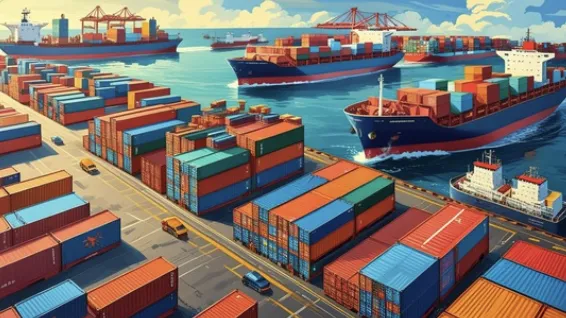
International Trade
Customs
Import / Export
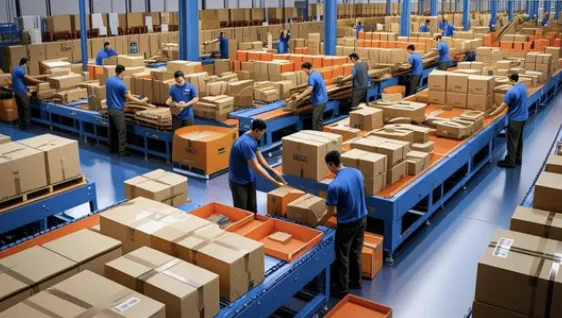
Logistics
Transportation Management
Fleet Management
Reverse Logistics
3PL / 4PL

Transportation
Freight Forwarding -Air, Ocean and Rail
Domestic / International Courier /Small Package
Dedicated Carriage
Private Fleet
LTL / TL

Warehouse / Distribution
Inventory Management
Site Selection
D.C. Optimization
Labor Optimization

Manufacturing
Production Planning
Material Logistics
Lean Methodology

Procurement
Strategic Sourcing
Global Purchasing
E-procurement
Contract Management
Inquiries?
No hesitation, we can help you with a free Consultation