
Manufacturing
PRODUCTION PLANNING
MATERIAL LOGISTICS
LEAN METHODOLOGY
PRODUCT DESIGN
Production Planning
Production planning is the process of organizing and managing the production activities in a manufacturing facility to ensure that products are produced efficiently, on time, and within budget. It involves a combination of strategy, process optimization, resource allocation, and scheduling to meet customer demand and maximize operational efficiency.
Effective production planning helps manufacturers reduce waste, avoid production delays, optimize inventory, and improve overall productivity. It is a critical component of manufacturing operations, and a well-executed production plan leads to smoother workflows, lower costs, and higher customer satisfaction.
Key Elements of Production Planning
Demand Forecasting
Demand forecasting is a vital first step in production planning. It involves estimating future customer demand for products based on historical data, market trends, seasonal variations, and other relevant factors. Accurate forecasting helps manufacturers plan production schedules and allocate resources effectively.
Tools: Statistical models, market research, sales data, and AI-powered forecasting tools.
Master Production Schedule (MPS)
The Master Production Schedule (MPS) is a detailed plan that outlines which products need to be produced, in what quantities, and by when. The MPS takes into account demand forecasts, inventory levels, available resources, and production constraints.
It provides a clear roadmap for production and guides procurement, labor, and machinery decisions. The MPS is often updated regularly to reflect changes in demand or production capacity.
Bill of Materials (BOM) The Bill of Materials (BOM) is a comprehensive list of raw materials, components, subassemblies, and instructions required to produce a finished product. It helps ensure that the necessary materials are available for production and is crucial in managing material requirements.
Accurate BOMs reduce production delays and avoid bottlenecks caused by shortages of materials.
Material Requirements Planning (MRP)
Material Requirements Planning (MRP) is a system used to calculate the materials and components needed for production. It helps manufacturers manage inventory by scheduling the procurement of materials based on the MPS and BOM.
MRP ensures that the right materials are available at the right time, reducing the risk of stockouts and overstocking.
Capacity Planning Capacity planning involves assessing the production capacity needed to meet customer demand and ensuring that resources (labor, equipment, facilities) are available. It includes evaluating the capabilities of machines, workers, and facilities to determine the optimal production schedule.
Overcapacity or undercapacity can lead to inefficiencies, either causing delays or increasing operating costs.
Routing
Routing refers to the process of determining the sequence of operations needed to manufacture a product. This includes identifying the workstations, machines, or processes involved in producing each part of the product. Efficient routing minimizes downtime and ensures the smooth flow of materials through the production line.
Scheduling
Scheduling involves assigning specific tasks to workstations, machines, or employees at particular times. Scheduling is a dynamic process, requiring constant adjustments based on production constraints and the availability of materials or labor. The goal is to minimize idle time, maximize machine utilization, and ensure products are completed on time.
Inventory Control Effective inventory control ensures that the right amount of raw materials, work-in-progress (WIP), and finished goods are available at the right time. Poor inventory control can result in shortages, overstocking, or stockouts, which disrupt production.
Techniques like Just-in-Time (JIT) or Economic Order Quantity (EOQ) help balance inventory levels and reduce holding costs.
Quality Control Quality control ensures that products meet defined quality standards and specifications. In production planning, it involves integrating quality checks and testing into the production schedule to prevent defects and ensure consistent product quality. It is crucial to prevent the rework, delays, and waste that can result from producing substandard products.
Production Planning Process
Plan and Analyze Demand
Review historical sales data, customer orders, and market trends to forecast demand. This information helps set production targets and plan the materials needed.
Create Master Production Schedule (MPS) Based on demand forecasts and existing inventory, develop a schedule that outlines what needs to be produced, in what quantities, and when. The MPS also considers capacity constraints, lead times, and available resources.
Calculate Material Requirements (MRP) Determine the raw materials, components, and parts needed for production. Using the MPS and BOM, plan when and how much of each material should be ordered to meet production demands.
Schedule Production Activities
Allocate tasks to different production lines, workstations, or employees. This includes determining the sequence of operations, machine setups, and labor hours needed to complete each stage of production.
Execute Production Plans
Begin manufacturing according to the scheduled plan. Track progress against the schedule, and make adjustments as necessary to account for delays, bottlenecks, or unexpected changes in demand.
Monitor Performance and Adjust Continuously monitor production activities, inventory levels, and material availability. Identify any issues early on and adjust production schedules and plans to optimize performance.
Review and Improve
After completing production, evaluate the effectiveness of the production planning process. Look for areas of improvement to make future planning more accurate, efficient, and cost-effective.
Benefits of Effective Production Planning
Cost Reduction
By optimizing resource allocation, reducing waste, and minimizing inventory levels, manufacturers can cut down on operating costs. Efficient production planning also helps reduce overtime labor costs and equipment downtime.
On-Time Delivery
Proper planning ensures that products are produced and delivered on time, meeting customer expectations. This improves customer satisfaction and strengthens the company's reputation.
Increased Productivity
Production planning allows manufacturers to identify inefficiencies and eliminate unnecessary steps, streamlining the production process and improving overall productivity.
Improved Inventory Management
Accurate forecasting and scheduling help reduce excess inventory and stockouts. This results in better cash flow management and lower inventory holding costs.
Better Resource Utilization With an organized production schedule, manufacturers can make the best use of available resources, such as labor, machines, and facilities. This leads to optimal resource utilization and better cost control.
Enhanced Flexibility
A well-thought-out production plan enables manufacturers to adjust to changing market conditions, unexpected demand fluctuations, or disruptions in the supply chain. This flexibility allows businesses to respond quickly and remain competitive.
Challenges in Production Planning
Demand Variability
Fluctuations in demand can make accurate forecasting difficult, leading to overproduction or underproduction. Production planners must constantly adjust plans to accommodate changes in customer orders or market conditions.
Supply Chain Disruptions
Delays in raw material deliveries, transportation issues, or supplier failures can disrupt production plans. Effective communication and contingency planning are essential for minimizing the impact of these disruptions.
Capacity Constraints
Limited production capacity can lead to delays or overworked equipment. Identifying and addressing bottlenecks in production capacity is a constant challenge in production planning.
Quality Control Issues
Maintaining consistent product quality can be difficult, especially when scaling production. Issues like defects, errors, or non-compliance with standards can disrupt production schedules and impact customer satisfaction.
Complexity of Coordination
Manufacturing plants often rely on numerous departments, including procurement, production, logistics, and quality control. Coordinating these departments and ensuring smooth communication is key to successful production planning.
Production planning is essential for efficient manufacturing operations. It enables manufacturers to forecast demand, manage resources, minimize waste, and ensure timely delivery of products. By optimizing production processes and aligning them with business objectives, production planning plays a crucial role in improving cost-effectiveness, operational efficiency, and customer satisfaction.
Effective production planning requires careful attention to detail, the ability to adapt to changing circumstances, and a strong focus on continual improvement. With the right tools and strategies, manufacturers can overcome challenges and ensure their production activities run smoothly.
Material Logistics in Manufacturing
Material logistics refers to the process of managing the movement, storage, and handling of materials and components throughout the entire supply chain, from suppliers to manufacturers and finally to customers. In manufacturing, it involves the effective management of raw materials, semi-finished goods, work-in-progress (WIP), and finished products. Efficient material logistics ensures the smooth flow of materials, reduces costs, improves production timelines, and enhances overall operational efficiency.
Material logistics is a critical component in ensuring that production processes run smoothly, avoiding bottlenecks, stockouts, or excessive inventory that can lead to high holding costs. This includes the procurement, transportation, storage, and distribution of materials needed for production.
Key Aspects of Material Logistics in Manufacturing
Procurement and Sourcing of Materials
Procurement is the process of acquiring the necessary raw materials, components, and supplies required for production. In material logistics, procurement needs to be closely aligned with demand forecasts and production schedules to ensure that materials are available when needed.
Sourcing involves selecting suppliers who can provide high-quality materials at competitive prices, with reliable delivery schedules.
Just-In-Time (JIT) and Lean Manufacturing principles can be used to manage material procurement to avoid overstocking and reduce waste.
Inventory Management
Inventory management is the process of tracking materials and components at various stages of production, from raw materials to finished goods. It involves setting reorder points, determining optimal inventory levels, and ensuring materials are available without overstocking. Effective inventory management helps manufacturers avoid stockouts (which can halt production) and reduce excess inventory (which increases storage costs).
Modern systems like Enterprise Resource Planning (ERP) and Warehouse Management Systems (WMS) can automate inventory tracking and help optimize material flow.
Warehouse Management and Storage
Efficient warehouse management is crucial for material logistics. Raw materials, components, and finished products must be stored in organized, easily accessible locations.
Material handling refers to the movement of materials within the warehouse and production areas. This includes the use of forklifts, conveyors, cranes, or automated systems to transport materials. A well-organized warehouse reduces handling time, minimizes damage, and ensures that materials are readily available for production.
Transportation and Distribution Transportation logistics ensures that materials are delivered from suppliers to manufacturing facilities and between different stages of production, as well as to customers or distributors. This involves coordinating delivery schedules, optimizing routes, and choosing the best modes of transport (air, sea, rail, road).
Efficient distribution logistics ensures that finished products reach customers in a timely manner, using strategies like cross-docking, drop shipping, and direct shipments.
Material logistics managers need to coordinate with freight forwarders and shipping partners to ensure on-time delivery.
Supply Chain Coordination
Supply chain coordination is essential for material logistics. Manufacturers need to synchronize the activities of suppliers, transporters, warehouse teams, and production departments to ensure materials are delivered as needed.
Effective communication and information sharing between all supply chain partners can help prevent delays and optimize the flow of materials. Using tools like Supply Chain Management (SCM) software, manufacturers can gain real-time visibility into inventory levels, order status, and transportation schedules.
Work-in-Progress (WIP) Management
Work-in-progress (WIP) refers to materials and components that are in the process of being transformed into finished products. Efficient management of WIP ensures that there is a continuous flow through the production process. By tracking WIP and eliminating bottlenecks, manufacturers can prevent overproduction, ensure production deadlines are met, and reduce the likelihood of delays.
Demand Forecasting and Material Planning
Demand forecasting is the process of predicting future customer demand for products. Accurate forecasts help manufacturing companies plan their material requirements, ensuring that enough materials are available to meet demand.
Material Requirements Planning (MRP) is used to calculate the materials needed to meet production schedules based on forecasted demand. This helps minimize material shortages or overordering.
Quality Control and Inspection
Material logistics also includes managing the inspection and quality control of incoming materials. Ensuring that raw materials meet required standards and specifications before they enter the production process is vital. Proper material inspection ensures that faulty or substandard materials are identified and rejected before they disrupt production.
Benefits of Efficient Material Logistics in Manufacturing
Cost Reduction
Effective material logistics helps minimize the costs associated with excess inventory, storage, and transportation. It can also reduce production delays caused by material shortages.
By optimizing material flow, companies can reduce wastage, avoid stockouts, and lower purchasing costs through bulk buying and supplier negotiations.
Improved Production Efficiency
Streamlined material handling and storage reduce time spent searching for materials, ensuring that production can continue without unnecessary interruptions. Well-organized inventory and warehouse systems increase overall throughput and reduce downtime.
Enhanced Customer Satisfaction Efficient material logistics leads to timely product availability, which means manufacturers can deliver products to customers on time. This helps improve customer satisfaction and maintain strong customer relationships.
Better Resource Utilization
By ensuring that the right materials are available at the right time, manufacturers can maximize their use of labor, machinery, and production time.
Reducing stockouts or excess inventory allows manufacturers to focus on optimizing production, rather than dealing with supply chain disruptions.
Increased Flexibility
When material logistics systems are responsive and agile, manufacturers can quickly adjust to changes in demand or production schedules. This allows companies to be more flexible and adaptable to market changes.
Challenges in Material Logistics for Manufacturing
Supply Chain Disruptions
Material shortages, delays from suppliers, and transportation bottlenecks can disrupt the production process, leading to delays or downtime.
Unexpected disruptions, such as natural disasters, strikes, or global events, can cause delays in material delivery and affect inventory levels.
Fluctuating Demand
Demand variability can make it difficult to forecast material needs accurately. If production volumes are overestimated or underestimated, manufacturers may face either a shortage or surplus of materials.
Inventory Management Issues
Poor inventory management can lead to overstocking or understocking of materials, both of which create challenges in material logistics. Overstocking ties up capital and storage space, while understocking can halt production and delay orders.
Quality Control
The risk of receiving poor-quality or damaged materials is a significant concern. Defective materials can disrupt production and affect product quality, resulting in costly rework or delays.
Coordination Among Supply Chain Partners
Effective material logistics require close coordination between suppliers, manufacturers, transporters, and warehousing teams. Miscommunication or poor coordination can lead to delays, errors, or waste.
Strategies for Improving Material Logistics
Implementing ERP and WMS Systems
Enterprise Resource Planning (ERP) systems and Warehouse Management Systems (WMS) help streamline material logistics by automating inventory tracking, procurement, and production scheduling. These systems provide real-time visibility into stock levels, order statuses, and supply chain performance.
Use of Automation and Robotics
Automated systems like conveyor belts, robotic pickers, and automated guided vehicles (AGVs) can improve the speed and accuracy of material handling. This reduces labor costs and improves operational efficiency.
Lean Manufacturing Principles
Adopting Lean Manufacturing principles, such as Just-In-Time (JIT) inventory management, helps reduce material waste and ensures that materials arrive only when needed, minimizing storage costs and reducing excess inventory.
Optimizing Supplier Relationships
Building strong relationships with suppliers ensures reliable material deliveries and favorable pricing terms. Collaborative forecasting with suppliers can improve material availability and reduce lead times.
Real-Time Data and Analytics
Utilizing data analytics to track material flow, identify potential bottlenecks, and predict supply chain disruptions can help improve decision-making in material logistics. Real-time data also aids in quicker responses to unexpected changes in demand or supply.
Material logistics is a critical function in manufacturing that directly affects efficiency, costs, and customer satisfaction. Proper management of material flow — from procurement through storage, handling, and distribution — is essential to keep production processes running smoothly. By optimizing inventory management, transportation, and warehouse systems, manufacturers can reduce costs, improve resource utilization, and enhance their overall competitiveness in the market.
Adopting advanced technology, data analytics, and lean principles will enable manufacturers to overcome challenges and build more resilient and efficient material logistics systems, ensuring they can respond flexibly to changes in demand and supply chain disruptions.
Lean Methodology in Manufacturing
Lean methodology is a production philosophy that focuses on minimizing waste within a manufacturing system while simultaneously maximizing productivity. The primary goal of Lean is to create more value for customers with fewer resources by eliminating non-value-adding activities and improving the efficiency of production processes.
Originating from the Toyota Production System (TPS), Lean has become widely adopted across various industries. It emphasizes continuous improvement, empowerment of employees, and the elimination of waste (known as "muda" in Japanese) in all forms.
Key Principles of Lean Methodology
Value Definition
The first step in Lean is defining value from the customer’s perspective. Value is determined by what the customer is willing to pay for. Anything that doesn’t contribute directly to this value is considered waste and should be eliminated.
In a manufacturing context, value is typically defined by the functionality, quality, and timely delivery of the final product.
Value Stream Mapping
Value stream mapping is a tool used to visually map the flow of materials and information throughout the production process. It helps identify areas where waste occurs and highlight opportunities for improvement.
The goal is to understand how value flows through the system, from suppliers to production to the end customer. By mapping the value stream, manufacturers can target areas for reduction of waste and non-value-adding activities.
Flow
Flow refers to the smooth movement of materials and information through the production process without interruptions or delays. The objective is to ensure that all production steps are interconnected in a continuous, efficient manner. Lean seeks to eliminate bottlenecks, reduce waiting times, and create a steady flow of materials to maintain continuous production.
Pull System
A pull system ensures that production is driven by customer demand rather than pushing products through the system based on forecasts or schedules. This means that products are only produced when there is a real demand for them, rather than overproduction.
The Just-In-Time (JIT) principle is often associated with a pull system. In JIT, materials and components are delivered to the production line just in time for use, reducing the need for large inventories.
Perfection and Continuous Improvement (Kaizen)
Kaizen is a key element of Lean, referring to the philosophy of continuous improvement. It encourages incremental changes that lead to long-term improvements in processes, productivity, and quality.
Lean manufacturing is an ongoing process where employees at all levels are encouraged to suggest and implement small changes that improve efficiency and reduce waste.
Perfection refers to the ultimate goal of achieving zero waste and perfect flow. However, Lean recognizes that perfection is a continuous pursuit, not a final destination.
Seven Types of Waste (Muda) in Lean Manufacturing
Lean methodology identifies seven types of waste that hinder efficiency and add no value to the product. These are often referred to as the 7 Wastes of Lean:
Overproduction
Waste: Producing more than what is needed or producing it too early.
Impact: Leads to excess inventory, increased storage costs, and potential obsolescence.
Solution: Produce only what is needed based on customer demand using a pull system.
Waiting
Waste: Time spent waiting for materials, equipment, information, or decisions to proceed.
Impact: Delays production and reduces efficiency.
Solution: Streamline communication, ensure availability of materials, and reduce downtime in machinery.
Transport
Waste: Unnecessary movement of materials, products, or information between processes or facilities.
Impact: Increased transportation costs and longer lead times.
Solution: Optimize layouts, reduce movement distances, and use more efficient transportation methods.
Excess Inventory
Waste: Having more materials, components, or finished goods in stock than are required.
Impact: Ties up capital, increases storage costs, and increases the risk of inventory obsolescence. Solution: Implement JIT production and reduce inventory levels to match demand.
Excess Motion
Waste: Unnecessary movements by workers, such as walking, reaching, or bending, during the production process.
Impact: Increases the time taken to complete tasks and contributes to worker fatigue.
Solution: Optimize workstation design, tools, and equipment layout to minimize unnecessary motion.
Defects
Waste: Producing defective products or materials that require rework, repair, or scrap.
Impact: Wastes time, resources, and labor while reducing product quality.
Solution: Implement quality control measures at every step of production, adopt defect-prevention strategies, and empower employees to identify and solve quality issues.
Over-processing
Waste: Performing more work or adding features to a product than what is required by the customer. Impact: Leads to unnecessary costs and delays without adding value.
Solution: Simplify processes, eliminate redundant tasks, and focus on delivering just what the customer needs.
Lean Tools and Techniques
1. 5S (Sort, Set in Order, Shine, Standardize, Sustain)
5S is a workplace organization method that focuses on creating a clean, well-organized environment to improve efficiency, reduce waste, and ensure safety.
Sort (Seiri): Eliminate unnecessary items.
Set in Order (Seiton): Organize tools and materials for easy access.
Shine (Seiso): Clean and maintain the workplace.
Standardize (Seiketsu): Create standardized work procedures.
Sustain (Shitsuke): Ensure adherence to the standards.
Kanban
Kanban is a visual scheduling system used to manage production and inventory. It uses cards or signals to indicate when to reorder materials or when production should begin. Kanban helps to manage flow and avoid overproduction.
Kaizen (Continuous Improvement)
Kaizen is the practice of making small, continuous improvements over time. Employees are encouraged to suggest improvements, and these incremental changes can lead to significant gains in productivity and efficiency.
Poka-Yoke (Error-Proofing)
Poka-Yoke is a technique used to prevent errors by designing processes or devices that make it impossible to produce defective parts or perform tasks incorrectly.
Examples include automatic sensors that detect misalignments or systems that prevent assembly mistakes.
Root Cause Analysis (RCA)
Root cause analysis is used to identify the underlying cause of a problem. It involves asking "why" repeatedly until the root cause is identified, allowing for long-term solutions rather than just addressing symptoms.
SMED (Single-Minute Exchange of Die)
SMED is a system for reducing the time it takes to change over production equipment from one product to another. The goal is to achieve setup times of less than 10 minutes, thus improving flexibility and minimizing downtime.
Benefits of Lean Methodology in Manufacturing
1. Cost Reduction Lean methodology reduces waste and optimizes resource usage, resulting in lower operating costs, reduced inventory costs, and improved efficiency.
2. Improved Quality Continuous improvement practices ensure that defects are minimized and that processes are refined to enhance product quality.
3. Faster Production and Lead Times By eliminating bottlenecks, unnecessary waiting times, and excessive inventories, Lean allows for faster production cycles and shorter lead times, helping meet customer demand more efficiently.
4. Increased Flexibility Lean manufacturing systems are more adaptable to changes in market demand, allowing manufacturers to respond quickly to customer needs or disruptions in the supply chain.
5. Employee Empowerment Lean promotes a culture where employees are involved in decision-making, problem-solving, and process improvement. This leads to higher employee morale, motivation, and engagement.
6. Customer Satisfaction By focusing on delivering high-quality products with shorter lead times at lower costs, Lean manufacturing helps companies provide better value to their customers, leading to improved satisfaction and loyalty.
Challenges of Implementing Lean
1. Resistance to Change Employees and management may be resistant to changes in processes, systems, and mindsets. Overcoming this resistance requires strong leadership and clear communication about the benefits of Lean.
2. Sustaining Improvements While initial Lean initiatives may show results, sustaining continuous improvement over time requires commitment from all levels of the organization. Without ongoing effort, Lean principles can be diluted or abandoned.
3, High Initial Investment Implementing Lean tools and techniques, such as automation, training, and process redesign, may require an upfront investment. However, the long-term benefits often outweigh the initial costs.
Lean methodology is a powerful approach to manufacturing that focuses on eliminating waste, improving efficiency, and enhancing value to customers. By streamlining production processes, reducing costs, and fostering a culture of continuous improvement, Lean manufacturing helps companies remain competitive in a fast-paced, global marketplace.
Implementing Lean requires commitment, but the long-term benefits — including cost savings, improved quality, shorter lead times, and better customer satisfaction — make it a highly valuable strategy for manufacturers.
Manufacturing Product Design
Product design in manufacturing refers to the process of creating and developing a product that is not only functional and aesthetically appealing but also optimized for efficient manufacturing, cost-effectiveness, and high quality. The goal of product design in manufacturing is to balance creativity with practicality, ensuring that the product is manufacturable at scale, cost-efficient, and meets customer needs.
The design process typically involves collaboration between engineers, designers, marketers, and other stakeholders to ensure that the product can be manufactured and delivered successfully.
Key Principles of Product Design in Manufacturing
Design for Manufacturability (DFM)
DFM is the practice of designing a product with the manufacturing process in mind. This means creating products that can be easily and cost-effectively manufactured, assembled, and tested.
DFM principles include simplifying designs, selecting materials that are easy to process, and minimizing the number of parts or components that need to be sourced or assembled.
Design for Assembly (DFA)
DFA focuses on designing products that are easy to assemble. The goal is to reduce the complexity of the assembly process, minimize labor costs, and reduce the risk of defects.
DFA techniques might include reducing the number of components, designing parts that can only be assembled in one way (so there’s no risk of assembly errors), and ensuring parts can be assembled quickly and efficiently.
Design for Cost (DFC)
DFC involves designing products in a way that minimizes the overall cost of production without sacrificing quality. This includes optimizing material choices, simplifying the manufacturing process, and reducing waste.
DFC may also involve designing for scalability, where the design can easily accommodate higher production volumes without significant changes in the manufacturing process.
Sustainability and Environmental Considerations
Sustainable design focuses on creating products with minimal environmental impact. This includes using eco-friendly materials, designing for recyclability, and minimizing waste and energy consumption during production.
Many manufacturers today are incorporating sustainable product design as part of their strategy to meet regulatory requirements and customer demand for environmentally responsible products.
The Product Design Process in Manufacturing
The product design process typically follows several key stages to ensure that the final product meets customer needs and can be efficiently manufactured.
1. Conceptualization and Idea Generation
Brainstorming and ideation sessions to generate innovative ideas for new products or improvements to existing products.
Involves identifying customer needs, analyzing market trends, and considering technological advancements that could impact the design.
Collaboration between marketing, sales, and engineering teams is crucial during this phase to ensure the product design aligns with market demands and technological capabilities.
2. Product Design and Prototyping
Once a concept is selected, designers create detailed sketches, CAD models, and simulations of the product. These designs incorporate functionality, appearance, and manufacturability.
Prototyping involves building a physical model of the product to test design concepts, ergonomics, and functionality before full-scale production. Prototypes help identify issues early in the design process, reducing the risk of costly errors during manufacturing.
3. Material Selection
Choosing the right materials is critical to product design. Material selection impacts cost, durability, aesthetics, and manufacturability.
Designers work closely with engineers to choose materials that are compatible with manufacturing processes (e.g., injection molding, stamping, machining) and that meet performance requirements for the final product.
4. Design Optimization
After prototyping, design changes and improvements are made based on testing and feedback.
Optimization involves refining the design to meet cost, performance, and manufacturability targets.
Designers assess whether the product can be made simpler, cheaper, or more durable while maintaining quality.
5. Production Planning
Once the product design is finalized, the focus shifts to planning the manufacturing process. This includes determining production methods, equipment, labor requirements, and material sourcing.
Designers collaborate with production engineers to determine if any changes should be made to the design to improve the efficiency of manufacturing.
6. Testing and Quality Control
Products undergo extensive testing to ensure they meet performance, safety, and quality standards. This may include functional testing, stress testing, and simulations.
Quality control measures are incorporated into the design to ensure that the final product is defect-free and meets customer expectations.
7. Production and Launch
Once everything is in place, full-scale manufacturing begins. This includes setting up production lines, sourcing materials, and training staff.
The product is then launched to the market, where feedback is gathered to inform future product iterations.
Key Considerations in Manufacturing Product Design
1. Cost-Efficiency
One of the primary considerations in manufacturing product design is ensuring that the design can be produced at a reasonable cost. This involves selecting cost-effective materials, minimizing the number of parts, and considering production processes that offer economies of scale.
2. Time to Market
Reducing the time required to bring a product from concept to market is crucial for competitive advantage. Efficient product design and development processes, along with collaboration between departments, can shorten the lead time from design to production.
3. Scalability
The design should be scalable, meaning it can be produced in large quantities without significant changes to the manufacturing process. This is especially important for products that anticipate high demand or mass production.
4. Customization vs. Standardization
While customization can differentiate products, it often increases production complexity and costs. Manufacturers must decide whether to offer a highly customized design or a standardized product that can be produced more efficiently at scale.
5. Ergonomics and User Experience (UX)
The design should consider how users will interact with the product. For consumer products, this includes ergonomics (comfort, ease of use) and aesthetics (look and feel). Good design enhances user experience and customer satisfaction.
6. Regulatory Compliance
Products must meet industry standards and regulations, which may vary by region or product type (e.g., safety standards, environmental regulations). Designers need to ensure that the product complies with relevant regulations throughout the product lifecycle.
7. Maintenance and Serviceability
A well-designed product should be easy to maintain and repair, which can be important for certain industries like automotive or electronics.
Design for serviceability ensures that parts can be easily replaced or repaired, reducing long-term costs and improving the product's overall lifecycle.
Product Design Tools in Manufacturing
1. Computer-Aided Design (CAD)
CAD software is widely used to create 2D or 3D models of products and their components. These models are essential for visualizing the design, making modifications, and ensuring manufacturability.
2. Finite Element Analysis (FEA)
FEA is used to simulate how a product will perform under various conditions (e.g., stress, heat). It helps designers identify weak spots in the product before physical prototypes are built.
3. Computer-Aided Engineering (CAE)
CAE tools are used to analyze and simulate the product’s performance during the design phase. This includes simulations for mechanical stress, fluid dynamics, and thermal management.
4. Rapid Prototyping Technologies like 3D printing allow designers to create prototypes quickly and affordably. Rapid prototyping helps speed up the design iteration process and allows for better testing of form and function.
5.Bill of Materials (BOM) The BOM is a comprehensive list of all parts and materials needed for production. It is crucial for managing inventory, ensuring availability of components, and tracking costs throughout the product’s lifecycle.
Design for Assembly (DFA) Tools Software tools that assist in analyzing and optimizing product designs for easier and more efficient assembly. These tools help reduce assembly time and costs.
Benefits of Effective Product Design in Manufacturing
1. Cost Savings
Efficient design can reduce raw material waste, labor costs, and production delays, resulting in lower manufacturing costs and better profit margins.
2. Improved Quality
A well-designed product is easier to manufacture with fewer defects, which leads to higher customer satisfaction and lower costs associated with returns or repairs.
3. Faster Time to Market
By designing with efficiency in mind and using advanced tools and techniques like rapid prototyping, products can be brought to market faster, giving companies a competitive edge.
4. Better Customer Satisfaction
Products that meet the needs and expectations of customers in terms of functionality, design, and quality are more likely to succeed in the market.
5. Sustainability Product designs that focus on sustainability help companies reduce environmental impact, comply with regulations, and appeal to environmentally-conscious consumers.
Product design in manufacturing is a critical element that determines the success of a product in terms of cost, quality, and customer satisfaction. By focusing on principles like Design for Manufacturability (DFM), Design for Assembly (DFA), and Design for Cost (DFC), manufacturers can streamline the design process, reduce waste, and ensure efficient production.
The use of advanced tools like CAD, FEA, and rapid prototyping, along with a focus on continuous improvement, allows manufacturers to bring high-quality products to market quickly and cost-effectively while meeting customer expectations. Effective product design in manufacturing is not just about innovation—it’s about creating products that are feasible, cost-efficient, and valuable to the customer.
Material Logistics
Material logistics refers to the process of managing the movement, storage, and handling of materials and components throughout the entire supply chain, from suppliers to manufacturers and finally to customers. In manufacturing, it involves the effective management of raw materials, semi-finished goods, work-in-progress (WIP), and finished products. Efficient material logistics ensures the smooth flow of materials, reduces costs, improves production timelines, and enhances overall operational efficiency.
Material logistics is a critical component in ensuring that production processes run smoothly, avoiding bottlenecks, stockouts, or excessive inventory that can lead to high holding costs. This includes the procurement, transportation, storage, and distribution of materials needed for production.
Key Aspects of Material Logistics in Manufacturing
Procurement and Sourcing of Materials
Procurement is the process of acquiring the necessary raw materials, components, and supplies required for production. In material logistics, procurement needs to be closely aligned with demand forecasts and production schedules to ensure that materials are available when needed.
Sourcing involves selecting suppliers who can provide high-quality materials at competitive prices, with reliable delivery schedules.
Just-In-Time (JIT) and Lean Manufacturing principles can be used to manage material procurement to avoid overstocking and reduce waste.
Inventory Management
Inventory management is the process of tracking materials and components at various stages of production, from raw materials to finished goods. It involves setting reorder points, determining optimal inventory levels, and ensuring materials are available without overstocking. Effective inventory management helps manufacturers avoid stockouts (which can halt production) and reduce excess inventory (which increases storage costs).
Modern systems like Enterprise Resource Planning (ERP) and Warehouse Management Systems (WMS) can automate inventory tracking and help optimize material flow.
Warehouse Management and Storage
Efficient warehouse management is crucial for material logistics. Raw materials, components, and finished products must be stored in organized, easily accessible locations.
Material handling refers to the movement of materials within the warehouse and production areas. This includes the use of forklifts, conveyors, cranes, or automated systems to transport materials. A well-organized warehouse reduces handling time, minimizes damage, and ensures that materials are readily available for production.
Transportation and Distribution Transportation logistics ensures that materials are delivered from suppliers to manufacturing facilities and between different stages of production, as well as to customers or distributors. This involves coordinating delivery schedules, optimizing routes, and choosing the best modes of transport (air, sea, rail, road).
Efficient distribution logistics ensures that finished products reach customers in a timely manner, using strategies like cross-docking, drop shipping, and direct shipments.
Material logistics managers need to coordinate with freight forwarders and shipping partners to ensure on-time delivery.
Supply Chain Coordination
Supply chain coordination is essential for material logistics. Manufacturers need to synchronize the activities of suppliers, transporters, warehouse teams, and production departments to ensure materials are delivered as needed.
Effective communication and information sharing between all supply chain partners can help prevent delays and optimize the flow of materials. Using tools like Supply Chain Management (SCM) software, manufacturers can gain real-time visibility into inventory levels, order status, and transportation schedules.
Work-in-Progress (WIP) Management
Work-in-progress (WIP) refers to materials and components that are in the process of being transformed into finished products. Efficient management of WIP ensures that there is a continuous flow through the production process. By tracking WIP and eliminating bottlenecks, manufacturers can prevent overproduction, ensure production deadlines are met, and reduce the likelihood of delays.
Demand Forecasting and Material Planning
Demand forecasting is the process of predicting future customer demand for products. Accurate forecasts help manufacturing companies plan their material requirements, ensuring that enough materials are available to meet demand.
Material Requirements Planning (MRP) is used to calculate the materials needed to meet production schedules based on forecasted demand. This helps minimize material shortages or overordering.
Quality Control and Inspection
Material logistics also includes managing the inspection and quality control of incoming materials. Ensuring that raw materials meet required standards and specifications before they enter the production process is vital. Proper material inspection ensures that faulty or substandard materials are identified and rejected before they disrupt production.
Benefits of Efficient Material Logistics in Manufacturing
Cost Reduction
Effective material logistics helps minimize the costs associated with excess inventory, storage, and transportation. It can also reduce production delays caused by material shortages.
By optimizing material flow, companies can reduce wastage, avoid stockouts, and lower purchasing costs through bulk buying and supplier negotiations.
Improved Production Efficiency
Streamlined material handling and storage reduce time spent searching for materials, ensuring that production can continue without unnecessary interruptions. Well-organized inventory and warehouse systems increase overall throughput and reduce downtime.
Enhanced Customer Satisfaction Efficient material logistics leads to timely product availability, which means manufacturers can deliver products to customers on time. This helps improve customer satisfaction and maintain strong customer relationships.
Better Resource Utilization
By ensuring that the right materials are available at the right time, manufacturers can maximize their use of labor, machinery, and production time.
Reducing stockouts or excess inventory allows manufacturers to focus on optimizing production, rather than dealing with supply chain disruptions.
Increased Flexibility
When material logistics systems are responsive and agile, manufacturers can quickly adjust to changes in demand or production schedules. This allows companies to be more flexible and adaptable to market changes.
Challenges in Material Logistics for Manufacturing
Supply Chain Disruptions
Material shortages, delays from suppliers, and transportation bottlenecks can disrupt the production process, leading to delays or downtime.
Unexpected disruptions, such as natural disasters, strikes, or global events, can cause delays in material delivery and affect inventory levels.
Fluctuating Demand
Demand variability can make it difficult to forecast material needs accurately. If production volumes are overestimated or underestimated, manufacturers may face either a shortage or surplus of materials.
Inventory Management Issues
Poor inventory management can lead to overstocking or understocking of materials, both of which create challenges in material logistics. Overstocking ties up capital and storage space, while understocking can halt production and delay orders.
Quality Control
The risk of receiving poor-quality or damaged materials is a significant concern. Defective materials can disrupt production and affect product quality, resulting in costly rework or delays.
Coordination Among Supply Chain Partners
Effective material logistics require close coordination between suppliers, manufacturers, transporters, and warehousing teams. Miscommunication or poor coordination can lead to delays, errors, or waste.
Strategies for Improving Material Logistics
Implementing ERP and WMS Systems
Enterprise Resource Planning (ERP) systems and Warehouse Management Systems (WMS) help streamline material logistics by automating inventory tracking, procurement, and production scheduling. These systems provide real-time visibility into stock levels, order statuses, and supply chain performance.
Use of Automation and Robotics
Automated systems like conveyor belts, robotic pickers, and automated guided vehicles (AGVs) can improve the speed and accuracy of material handling. This reduces labor costs and improves operational efficiency.
Lean Manufacturing Principles
Adopting Lean Manufacturing principles, such as Just-In-Time (JIT) inventory management, helps reduce material waste and ensures that materials arrive only when needed, minimizing storage costs and reducing excess inventory.
Optimizing Supplier Relationships
Building strong relationships with suppliers ensures reliable material deliveries and favorable pricing terms. Collaborative forecasting with suppliers can improve material availability and reduce lead times.
Lean Methodology
Lean methodology is a production philosophy that focuses on minimizing waste within a manufacturing system while simultaneously maximizing productivity. The primary goal of Lean is to create more value for customers with fewer resources by eliminating non-value-adding activities and improving the efficiency of production processes.
Originating from the Toyota Production System (TPS), Lean has become widely adopted across various industries. It emphasizes continuous improvement, empowerment of employees, and the elimination of waste (known as "muda" in Japanese) in all forms.
Key Principles of Lean Methodology
Value Definition
The first step in Lean is defining value from the customer’s perspective. Value is determined by what the customer is willing to pay for. Anything that doesn’t contribute directly to this value is considered waste and should be eliminated.
In a manufacturing context, value is typically defined by the functionality, quality, and timely delivery of the final product.
Value Stream Mapping
Value stream mapping is a tool used to visually map the flow of materials and information throughout the production process. It helps identify areas where waste occurs and highlight opportunities for improvement.
The goal is to understand how value flows through the system, from suppliers to production to the end customer. By mapping the value stream, manufacturers can target areas for reduction of waste and non-value-adding activities.
Flow
Flow refers to the smooth movement of materials and information through the production process without interruptions or delays. The objective is to ensure that all production steps are interconnected in a continuous, efficient manner. Lean seeks to eliminate bottlenecks, reduce waiting times, and create a steady flow of materials to maintain continuous production.
Pull System
A pull system ensures that production is driven by customer demand rather than pushing products through the system based on forecasts or schedules. This means that products are only produced when there is a real demand for them, rather than overproduction.
The Just-In-Time (JIT) principle is often associated with a pull system. In JIT, materials and components are delivered to the production line just in time for use, reducing the need for large inventories.
Perfection and Continuous Improvement (Kaizen)
Kaizen is a key element of Lean, referring to the philosophy of continuous improvement. It encourages incremental changes that lead to long-term improvements in processes, productivity, and quality.
Lean manufacturing is an ongoing process where employees at all levels are encouraged to suggest and implement small changes that improve efficiency and reduce waste.
Perfection refers to the ultimate goal of achieving zero waste and perfect flow. However, Lean recognizes that perfection is a continuous pursuit, not a final destination.
Seven Types of Waste (Muda) in Lean Manufacturing
Lean methodology identifies seven types of waste that hinder efficiency and add no value to the product. These are often referred to as the 7 Wastes of Lean:
Overproduction
Waste: Producing more than what is needed or producing it too early.
Impact: Leads to excess inventory, increased storage costs, and potential obsolescence.
Solution: Produce only what is needed based on customer demand using a pull system.
Waiting
Waste: Time spent waiting for materials, equipment, information, or decisions to proceed.
Impact: Delays production and reduces efficiency.
Solution: Streamline communication, ensure availability of materials, and reduce downtime in machinery.
Transport
Waste: Unnecessary movement of materials, products, or information between processes or facilities.
Impact: Increased transportation costs and longer lead times.
Solution: Optimize layouts, reduce movement distances, and use more efficient transportation methods.
Excess Inventory
Waste: Having more materials, components, or finished goods in stock than are required.
Impact: Ties up capital, increases storage costs, and increases the risk of inventory obsolescence. Solution: Implement JIT production and reduce inventory levels to match demand.
Excess Motion
Waste: Unnecessary movements by workers, such as walking, reaching, or bending, during the production process.
Impact: Increases the time taken to complete tasks and contributes to worker fatigue.
Solution: Optimize workstation design, tools, and equipment layout to minimize unnecessary motion.
Defects
Waste: Producing defective products or materials that require rework, repair, or scrap.
Impact: Wastes time, resources, and labor while reducing product quality.
Solution: Implement quality control measures at every step of production, adopt defect-prevention strategies, and empower employees to identify and solve quality issues.
Over-processing
Waste: Performing more work or adding features to a product than what is required by the customer. Impact: Leads to unnecessary costs and delays without adding value.
Solution: Simplify processes, eliminate redundant tasks, and focus on delivering just what the customer needs.
Lean Tools and Techniques
1. 5S (Sort, Set in Order, Shine, Standardize, Sustain)
5S is a workplace organization method that focuses on creating a clean, well-organized environment to improve efficiency, reduce waste, and ensure safety.
Sort (Seiri): Eliminate unnecessary items.
Set in Order (Seiton): Organize tools and materials for easy access.
Shine (Seiso): Clean and maintain the workplace.
Standardize (Seiketsu): Create standardized work procedures.
Sustain (Shitsuke): Ensure adherence to the standards.
Kanban
Kanban is a visual scheduling system used to manage production and inventory. It uses cards or signals to indicate when to reorder materials or when production should begin. Kanban helps to manage flow and avoid overproduction.
Kaizen (Continuous Improvement)
Kaizen is the practice of making small, continuous improvements over time. Employees are encouraged to suggest improvements, and these incremental changes can lead to significant gains in productivity and efficiency.
Poka-Yoke (Error-Proofing)
Poka-Yoke is a technique used to prevent errors by designing processes or devices that make it impossible to produce defective parts or perform tasks incorrectly.
Examples include automatic sensors that detect misalignments or systems that prevent assembly mistakes.
Root Cause Analysis (RCA)
Root cause analysis is used to identify the underlying cause of a problem. It involves asking "why" repeatedly until the root cause is identified, allowing for long-term solutions rather than just addressing symptoms.
SMED (Single-Minute Exchange of Die)
SMED is a system for reducing the time it takes to change over production equipment from one product to another. The goal is to achieve setup times of less than 10 minutes, thus improving flexibility and minimizing downtime.
Benefits of Lean Methodology in Manufacturing
1. Cost Reduction Lean methodology reduces waste and optimizes resource usage, resulting in lower operating costs, reduced inventory costs, and improved efficiency.
2. Improved Quality Continuous improvement practices ensure that defects are minimized and that processes are refined to enhance product quality.
3. Faster Production and Lead Times By eliminating bottlenecks, unnecessary waiting times, and excessive inventories, Lean allows for faster production cycles and shorter lead times, helping meet customer demand more efficiently.
4. Increased Flexibility Lean manufacturing systems are more adaptable to changes in market demand, allowing manufacturers to respond quickly to customer needs or disruptions in the supply chain.
5. Employee Empowerment Lean promotes a culture where employees are involved in decision-making, problem-solving, and process improvement. This leads to higher employee morale, motivation, and engagement.
6. Customer Satisfaction By focusing on delivering high-quality products with shorter lead times at lower costs, Lean manufacturing helps companies provide better value to their customers, leading to improved satisfaction and loyalty.
Challenges of Implementing Lean
1. Resistance to Change Employees and management may be resistant to changes in processes, systems, and mindsets. Overcoming this resistance requires strong leadership and clear communication about the benefits of Lean.
2. Sustaining Improvements While initial Lean initiatives may show results, sustaining continuous improvement over time requires commitment from all levels of the organization. Without ongoing effort, Lean principles can be diluted or abandoned.
3, High Initial Investment Implementing Lean tools and techniques, such as automation, training, and process redesign, may require an upfront investment. However, the long-term benefits often outweigh the initial costs.
Lean methodology is a powerful approach to manufacturing that focuses on eliminating waste, improving efficiency, and enhancing value to customers. By streamlining production processes, reducing costs, and fostering a culture of continuous improvement, Lean manufacturing helps companies remain competitive in a fast-paced, global marketplace.
Implementing Lean requires commitment, but the long-term benefits — including cost savings, improved quality, shorter lead times, and better customer satisfaction — make it a highly valuable strategy for manufacturers.
Product Design
Product design in manufacturing refers to the process of creating and developing a product that is not only functional and aesthetically appealing but also optimized for efficient manufacturing, cost-effectiveness, and high quality. The goal of product design in manufacturing is to balance creativity with practicality, ensuring that the product is manufacturable at scale, cost-efficient, and meets customer needs.
The design process typically involves collaboration between engineers, designers, marketers, and other stakeholders to ensure that the product can be manufactured and delivered successfully.
Key Principles of Product Design in Manufacturing
Design for Manufacturability (DFM)
DFM is the practice of designing a product with the manufacturing process in mind. This means creating products that can be easily and cost-effectively manufactured, assembled, and tested.
DFM principles include simplifying designs, selecting materials that are easy to process, and minimizing the number of parts or components that need to be sourced or assembled.
Design for Assembly (DFA)
DFA focuses on designing products that are easy to assemble. The goal is to reduce the complexity of the assembly process, minimize labor costs, and reduce the risk of defects.
DFA techniques might include reducing the number of components, designing parts that can only be assembled in one way (so there’s no risk of assembly errors), and ensuring parts can be assembled quickly and efficiently.
Design for Cost (DFC)
DFC involves designing products in a way that minimizes the overall cost of production without sacrificing quality. This includes optimizing material choices, simplifying the manufacturing process, and reducing waste.
DFC may also involve designing for scalability, where the design can easily accommodate higher production volumes without significant changes in the manufacturing process.
Sustainability and Environmental Considerations
Sustainable design focuses on creating products with minimal environmental impact. This includes using eco-friendly materials, designing for recyclability, and minimizing waste and energy consumption during production.
Many manufacturers today are incorporating sustainable product design as part of their strategy to meet regulatory requirements and customer demand for environmentally responsible products.
The Product Design Process in Manufacturing
The product design process typically follows several key stages to ensure that the final product meets customer needs and can be efficiently manufactured.
1. Conceptualization and Idea Generation
Brainstorming and ideation sessions to generate innovative ideas for new products or improvements to existing products.
Involves identifying customer needs, analyzing market trends, and considering technological advancements that could impact the design.
Collaboration between marketing, sales, and engineering teams is crucial during this phase to ensure the product design aligns with market demands and technological capabilities.
2. Product Design and Prototyping
Once a concept is selected, designers create detailed sketches, CAD models, and simulations of the product. These designs incorporate functionality, appearance, and manufacturability.
Prototyping involves building a physical model of the product to test design concepts, ergonomics, and functionality before full-scale production. Prototypes help identify issues early in the design process, reducing the risk of costly errors during manufacturing.
3. Material Selection
Choosing the right materials is critical to product design. Material selection impacts cost, durability, aesthetics, and manufacturability.
Designers work closely with engineers to choose materials that are compatible with manufacturing processes (e.g., injection molding, stamping, machining) and that meet performance requirements for the final product.
4. Design Optimization
After prototyping, design changes and improvements are made based on testing and feedback.
Optimization involves refining the design to meet cost, performance, and manufacturability targets.
Designers assess whether the product can be made simpler, cheaper, or more durable while maintaining quality.
5. Production Planning
Once the product design is finalized, the focus shifts to planning the manufacturing process. This includes determining production methods, equipment, labor requirements, and material sourcing.
Designers collaborate with production engineers to determine if any changes should be made to the design to improve the efficiency of manufacturing.
6. Testing and Quality Control
Products undergo extensive testing to ensure they meet performance, safety, and quality standards. This may include functional testing, stress testing, and simulations.
Quality control measures are incorporated into the design to ensure that the final product is defect-free and meets customer expectations.
7. Production and Launch
Once everything is in place, full-scale manufacturing begins. This includes setting up production lines, sourcing materials, and training staff.
The product is then launched to the market, where feedback is gathered to inform future product iterations.
Key Considerations in Manufacturing Product Design
1. Cost-Efficiency
One of the primary considerations in manufacturing product design is ensuring that the design can be produced at a reasonable cost. This involves selecting cost-effective materials, minimizing the number of parts, and considering production processes that offer economies of scale.
2. Time to Market
Reducing the time required to bring a product from concept to market is crucial for competitive advantage. Efficient product design and development processes, along with collaboration between departments, can shorten the lead time from design to production.
3. Scalability
The design should be scalable, meaning it can be produced in large quantities without significant changes to the manufacturing process. This is especially important for products that anticipate high demand or mass production.
4. Customization vs. Standardization
While customization can differentiate products, it often increases production complexity and costs. Manufacturers must decide whether to offer a highly customized design or a standardized product that can be produced more efficiently at scale.
5. Ergonomics and User Experience (UX)
The design should consider how users will interact with the product. For consumer products, this includes ergonomics (comfort, ease of use) and aesthetics (look and feel). Good design enhances user experience and customer satisfaction.
6. Regulatory Compliance
Products must meet industry standards and regulations, which may vary by region or product type (e.g., safety standards, environmental regulations). Designers need to ensure that the product complies with relevant regulations throughout the product lifecycle.
7. Maintenance and Serviceability
A well-designed product should be easy to maintain and repair, which can be important for certain industries like automotive or electronics.
Design for serviceability ensures that parts can be easily replaced or repaired, reducing long-term costs and improving the product's overall lifecycle.
Product Design Tools in Manufacturing
1. Computer-Aided Design (CAD)
CAD software is widely used to create 2D or 3D models of products and their components. These models are essential for visualizing the design, making modifications, and ensuring manufacturability.
2. Finite Element Analysis (FEA)
FEA is used to simulate how a product will perform under various conditions (e.g., stress, heat). It helps designers identify weak spots in the product before physical prototypes are built.
3. Computer-Aided Engineering (CAE)
CAE tools are used to analyze and simulate the product’s performance during the design phase. This includes simulations for mechanical stress, fluid dynamics, and thermal management.
4. Rapid Prototyping Technologies like 3D printing allow designers to create prototypes quickly and affordably. Rapid prototyping helps speed up the design iteration process and allows for better testing of form and function.
5.Bill of Materials (BOM) The BOM is a comprehensive list of all parts and materials needed for production. It is crucial for managing inventory, ensuring availability of components, and tracking costs throughout the product’s lifecycle.
Design for Assembly (DFA) Tools Software tools that assist in analyzing and optimizing product designs for easier and more efficient assembly. These tools help reduce assembly time and costs.
Benefits of Effective Product Design in Manufacturing
1. Cost Savings
Efficient design can reduce raw material waste, labor costs, and production delays, resulting in lower manufacturing costs and better profit margins.
2. Improved Quality
A well-designed product is easier to manufacture with fewer defects, which leads to higher customer satisfaction and lower costs associated with returns or repairs.
3. Faster Time to Market
By designing with efficiency in mind and using advanced tools and techniques like rapid prototyping, products can be brought to market faster, giving companies a competitive edge.
4. Better Customer Satisfaction
Products that meet the needs and expectations of customers in terms of functionality, design, and quality are more likely to succeed in the market.
5. Sustainability Product designs that focus on sustainability help companies reduce environmental impact, comply with regulations, and appeal to environmentally-conscious consumers.
Product design in manufacturing is a critical element that determines the success of a product in terms of cost, quality, and customer satisfaction. By focusing on principles like Design for Manufacturability (DFM), Design for Assembly (DFA), and Design for Cost (DFC), manufacturers can streamline the design process, reduce waste, and ensure efficient production.
The use of advanced tools like CAD, FEA, and rapid prototyping, along with a focus on continuous improvement, allows manufacturers to bring high-quality products to market quickly and cost-effectively while meeting customer expectations. Effective product design in manufacturing is not just about innovation—it’s about creating products that are feasible, cost-efficient, and valuable to the customer.
Contact Us to Learn More
Specialized Container Recruiting Services In:

Management
Corporate Officers Managers / Directors
Sales / Operations
Business Development
Labor Relations
Industrial Engineer
Quality Assurance
Safety / Compliance
Finance
Human Resources

Consulting
Evaluation/Optimization
Strategy
Implementation
Life-Cycle Management

Information Technology
Packaged Software RFID
WMS / TMS
Evaluation / Implementation
E-Commerce
Systems Integration
ERP / EMR
Product Design
Customer Support
CRM
Call Centers
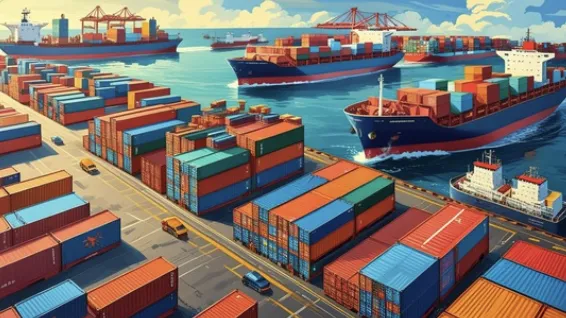
International Trade
Customs
Import / Export
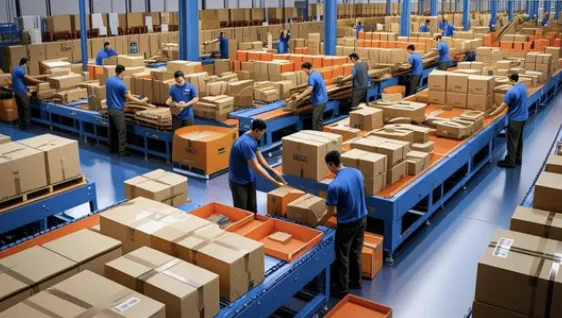
Logistics
Transportation Management
Fleet Management
Reverse Logistics
3PL / 4PL

Transportation
Freight Forwarding -Air, Ocean and Rail
Domestic / International Courier /Small Package
Dedicated Carriage
Private Fleet
LTL / TL
Warehouse / Distribution
Inventory Management
Site Selection
D.C. Optimization
Labor Optimization
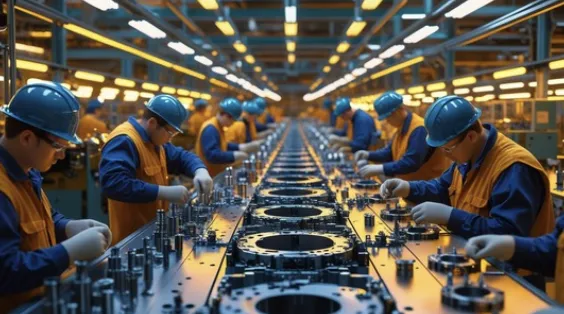
Manufacturing
Production Planning
Material Logistics
Lean Methodology

Procurement
Strategic Sourcing
Global Purchasing
E-procurement
Contract Management
Inquiries?
No hesitation, we can help you with a free Consultation