
International Trade
customs
import / export
Customs
Customs is responsible for assessing and collecting duties (taxes) and tariffs on imported and exported goods. These charges can vary depending on the type of goods, their value, and the trade agreements in place between countries.
Tariffs are typically imposed to protect domestic industries, regulate trade balances, or raise government revenue.
Import and Export Compliance:
Businesses must comply with customs regulations in both the exporting and importing countries. This involves ensuring that the correct classification of goods is used, proper documentation is provided, and any required permits or licenses are obtained.
The HS Code (Harmonized System Code) is a standard classification used internationally to categorize goods and determine the applicable duties and tariffs.
Customs Declarations:
When goods are imported or exported, they must be accompanied by a customs declaration, which provides detailed information about the goods being shipped, including:
Product description
Value Quantity
Origin and destination countries
Any applicable trade agreements (e.g., free trade agreements)
Customs authorities review these declarations to ensure compliance with the law.
Import/Export Restrictions:
Certain goods may be subject to restrictions, prohibitions, or special licensing requirements. Customs ensures that these regulations are enforced to prevent the illegal trade of goods such as drugs, weapons, counterfeit products, or endangered species.
Customs may also regulate the import/export of products that could pose risks to health, safety, or national security.
Customs Inspections and Audits:
Customs authorities may inspect shipments to verify the accuracy of the information provided in customs declarations. These inspections can involve checking the documentation, as well as physically inspecting the goods to ensure they comply with regulations.
Customs audits may also be conducted on businesses engaged in international trade to ensure they are maintaining proper records and complying with tax and regulatory obligations.
Trade Agreements and Customs Facilitation:
Customs is often involved in enforcing and implementing international trade agreements and customs unions. Agreements such as the World Trade Organization (WTO) agreements, NAFTA/USMCA, EU Customs Union, and others help to streamline trade processes and reduce barriers.
Some trade agreements can reduce or eliminate customs duties and tariffs, facilitating easier and cheaper cross-border trade.
Customs Brokers:
A customs broker is a professional or firm that assists companies with navigating the complexities of customs procedures. They are authorized to act on behalf of the importer/exporter to submit the necessary documentation and ensure compliance with customs laws.
Brokers help businesses minimize delays, fines, and penalties related to customs.
Customs Procedures:
The import/export process typically involves several steps to ensure that goods comply with customs regulations:
Submission of a customs declaration
Payment of any required duties/tariffs
Customs inspection and clearance Delivery of goods to the final destination
Customs clearance is the process by which goods are authorized to enter or exit the country, ensuring that all duties, taxes, and other legal requirements are satisfied.
Customs and Technology:
Many countries have implemented automated customs systems to speed up the process of declaring and clearing goods. This includes electronic filing of customs declarations and tracking systems that provide real-time updates on the status of shipments.
Some systems, such as Single Window systems, allow businesses to submit all required information for import/export transactions in a single electronic platform.
Customs-Trade Partnership Against Terrorism (C-TPAT):
This is a voluntary program initiated by the U.S. Customs and Border Protection (CBP) to strengthen international supply chains and improve security. Companies that participate in C-TPAT agree to meet certain security criteria and, in return, receive benefits like reduced inspections and expedited processing.
In Summary:
Customs in international trade ensures that goods moving across borders comply with all applicable laws and regulations. It plays an essential role in protecting economies, managing trade policies, and ensuring the safe and legal movement of goods. By understanding and adhering to customs requirements, businesses can reduce the risk of delays, fines, and other disruptions to their supply chains.
If you’re considering expanding into international trade or need help navigating customs regulations, it's often wise to consult with a customs broker or trade specialist to help ensure smooth operations.
Import / Export
Import/Export
refers to the exchange of goods and services across international borders or territories. Importing and exporting are fundamental aspects of global commerce and allow countries to access goods and services that are not produced locally or that are produced more efficiently elsewhere. Below is an overview of the key concepts and processes involved in international trade, specifically importing and exporting.
Importing:
Importing involves bringing goods or services into a country from another country for the purpose of selling or using them domestically. When a country imports goods, it typically has a need for certain products that are either not available locally or are cheaper or of higher quality when sourced internationally.
Key Elements of Importing:
Customs Declaration: Importers must file a customs declaration with the relevant authorities when bringing goods into a country. This declaration provides essential information, such as product details, value, country of origin, and more.
Tariffs and Duties: Imported goods are often subject to import duties, tariffs, and taxes that the government imposes to protect domestic industries or generate revenue. These charges depend on the classification of goods, origin, and the specific trade agreements between the exporting and importing countries.
Import Licenses: Some goods may require an import license, especially those considered sensitive or restricted, such as pharmaceuticals, weapons, or hazardous materials.
Logistics and Transport: The process of transporting goods from the foreign country to the domestic market involves international shipping, air freight, ocean freight, or land transportation. Efficient logistics are crucial to ensure timely delivery and minimize costs.
Customs Inspection: Imported goods are often inspected by customs authorities to ensure they meet local standards, including compliance with regulations regarding quality, safety, health, and environmental standards.
Exporting:
Exporting is the process of selling and shipping goods or services from one country to another. Companies that export goods help their home country generate foreign exchange, and the recipient country gains access to products that may not be readily available or are more cost-effective when sourced internationally.
Key Elements of Exporting:
Market Research: Before exporting, businesses must research target markets to understand demand, pricing, and consumer behavior.
Market entry strategies may include direct export, partnerships, joint ventures, or licensing.
Documentation: Exporters must prepare and submit various documents, such as:
Commercial invoices
Export licenses
Certificates of origin (indicating the product's country of origin)
Bill of lading (a receipt for goods being shipped)
Packing list
Export Compliance: Exports are subject to regulations and restrictions by both the exporting country and the importing country. Countries may impose export controls on certain items, like military goods or technologies that could be used for weaponry.
Tariffs and Taxes: Exports may be subject to certain export taxes or restrictions in the home country, although many countries incentivize exports with export subsidies or reduced tariffs to promote international trade.
Logistics and Shipping: Exporting goods involves selecting the appropriate transport methods (shipping, air, road) and working with international freight forwarders and customs brokers to ensure smooth transit through customs.
International Payments: Payment methods for international trade include letters of credit, bank transfers, or payment through escrow services to ensure both parties fulfill their financial obligations.
Key Processes in Import/Export Operations:
International Shipping & Freight:
Shipping goods internationally involves complex logistics to ensure timely delivery while minimizing costs. It includes:
Freight forwarders: Companies that manage logistics and transportation for exporters and importers.
Incoterms: International commercial terms (e.g., FOB (Free on Board), CIF (Cost, Insurance, Freight)) that specify the responsibility for shipping costs, insurance, and delivery.
Customs Brokers: Professionals who help with customs clearance, ensuring that all duties and paperwork are in order.
Packaging: Goods must be packaged properly for international transport, considering both safety and customs requirements.
Tariffs and Duties:
Tariffs and import/export duties vary widely depending on the type of goods, country of origin, and trade agreements. Common duties include:
Ad Valorem Duties: A percentage of the value of the goods.
Specific Duties: A fixed fee per unit or weight of goods.
Anti-dumping Duties: Imposed if goods are imported at a price lower than the market value, potentially harming domestic industries.
Customs Regulations and Compliance:
Every country has its own set of customs regulations that govern the import and export of goods. Some key regulations include:
HS Codes (Harmonized System Codes): A standardized system of names and numbers used to classify products for international trade.
Trade Agreements: Countries often enter into trade agreements (e.g., WTO, NAFTA/USMCA, EU Trade Agreements) that affect the tariffs and rules on imports/exports.
Import/Export Permits and Licensing: Certain goods may require special permits for trade, such as controlled substances or endangered species.
Risk Management:
International trade carries inherent risks, including:
Currency exchange fluctuations Political instability
Non-payment by foreign buyers (this can be mitigated by using letters of credit or export credit insurance) Shipping delays and damage to goods
Key Documents in Import/Export:
Commercial Invoice: A detailed bill issued by the exporter that specifies the terms of the sale and contains information such as the buyer and seller's details, product descriptions, and prices.
Bill of Lading (B/L): A legal document issued by a carrier that acknowledges the receipt of goods for shipment.
Certificate of Origin: A document certifying the origin of goods to ensure they comply with specific trade agreements or tariffs.
Import/Export Licenses: Government-issued licenses authorizing the import or export of certain goods.
Benefits of International Trade (Import/Export):
Access to Global Markets: Importing provides access to products that may not be available domestically, while exporting opens up new revenue streams and market opportunities.
Economies of Scale: Expanding into international markets can help companies achieve economies of scale, lowering production costs and increasing efficiency.
Increased Profit Margins: Companies can sometimes source cheaper goods from other countries or offer their products to markets willing to pay a premium.
Diversification: Expanding internationally reduces reliance on a single market, helping to buffer against economic downturns in one country or region.
Importing and exporting are fundamental aspects of international trade that facilitate the flow of goods and services across borders, benefiting economies and businesses. Navigating the complexities of tariffs, customs regulations, shipping logistics, and international compliance is essential for success in global markets. By understanding these elements and working with customs brokers, trade experts, and international logistics professionals, businesses can effectively engage in global trade.
Contact Us to Learn More
Specialized Container Recruiting Services In:

Management
Corporate Officers Managers / Directors
Sales / Operations
Business Development
Labor Relations
Industrial Engineer
Quality Assurance
Safety / Compliance
Finance
Human Resources

Consulting
Evaluation/Optimization
Strategy
Implementation
Life-Cycle Management

Information Technology
Packaged Software RFID
WMS / TMS
Evaluation / Implementation
E-Commerce
Systems Integration
ERP / EMR
Product Design
Customer Support
CRM
Call Centers
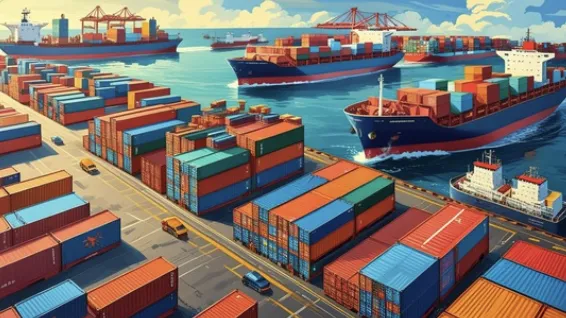
International Trade
Customs
Import / Export
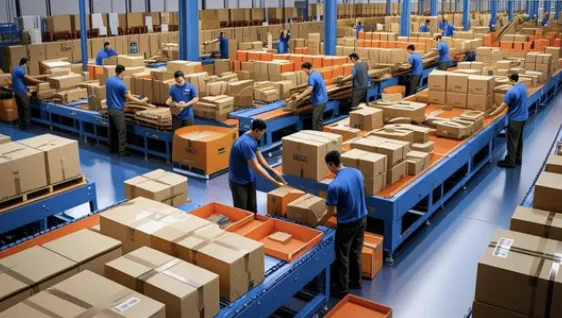
Logistics
Transportation Management
Fleet Management
Reverse Logistics
3PL / 4PL
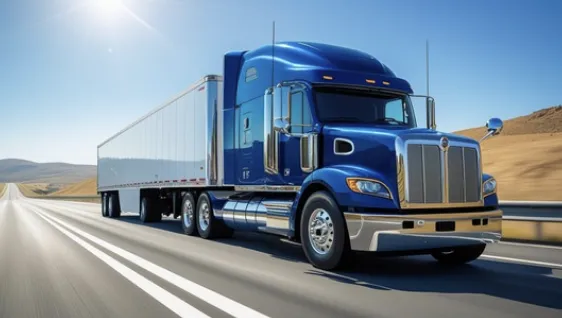
Transportation
Freight Forwarding -Air, Ocean and Rail
Domestic / International Courier /Small Package
Dedicated Carriage
Private Fleet
LTL / TL

Warehouse / Distribution
Inventory Management
Site Selection
D.C. Optimization
Labor Optimization

Manufacturing
Production Planning
Material Logistics
Lean Methodology

Procurement
Strategic Sourcing
Global Purchasing
E-procurement
Contract Management
Inquiries?
No hesitation, we can help you with a free Consultation